

Analysis of Rice Bran Pneumatic Conveying Technology: Comparison of Positive and Negative Pressure M
Pneumatic conveying technology plays a crucial role in the efficient handling and transportation of bulk materials, particularly in industries dealing with agricultural byproducts like rice bran. This article provides an in-depth analysis of the two primary modes of pneumatic conveying—positive pressure and negative pressure systems—focusing on their applications and performance characteristics in the context of rice bran processing.
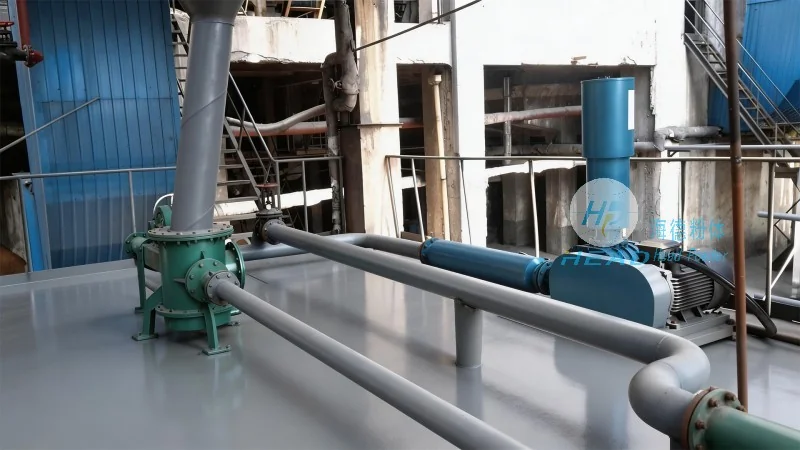
Understanding Positive Pressure Pneumatic Conveying
Positive pressure pneumatic conveying systems operate by generating air pressure within the conveying line, which forces material to move from the source to the destination. In this mode, a blower or positive displacement pump creates a high-pressure air stream that propels the material through the pipeline. For rice bran, which is a fine, lightweight powder, positive pressure systems are often preferred due to their ability to handle high material loads and maintain consistent flow rates. The system typically includes a hopper, a rotary valve for material feeding, a blower, and a conveying line, with the air and material mixture being discharged at the receiving end. This method is particularly effective when the conveying distance is short to moderate, and when the material is non-abrasive and has low moisture content, as is common with rice bran.
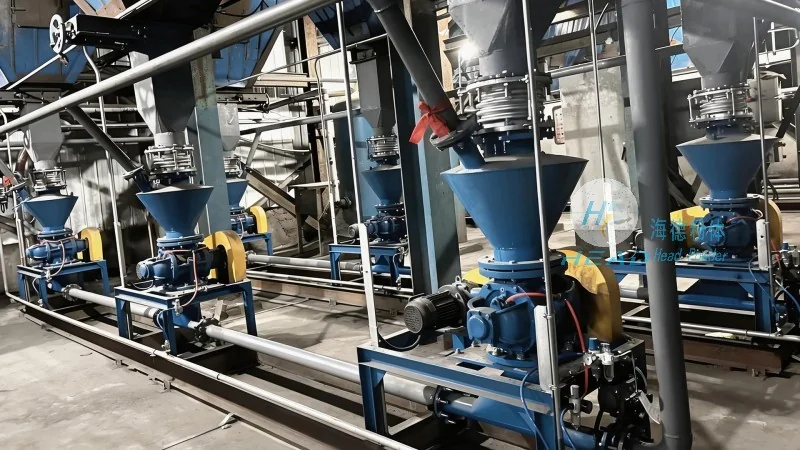
Advantages of Positive Pressure Systems for Rice Bran
Positive pressure pneumatic conveying offers several advantages when applied to rice bran. Firstly, it provides excellent control over material flow, allowing for precise regulation of the conveying rate. This is critical in processing operations where consistent material feed is essential for downstream equipment such as extruders or pelletizers. Secondly, the system can handle high material throughput, making it suitable for large-scale rice bran processing facilities. Additionally, positive pressure systems are relatively simple to install and maintain, with fewer components compared to negative pressure systems. The air pressure also helps to prevent material degradation by minimizing particle attrition during transport. However, a key consideration is the need for proper filtration and dust control, as the high-pressure air can generate significant dust emissions that must be managed to comply with environmental regulations.
Exploring Negative Pressure Pneumatic Conveying
Negative pressure pneumatic conveying, also known as vacuum conveying, operates by creating a low-pressure environment at the receiving end, which draws material from the source into the conveying line. A vacuum pump or fan generates the suction force, pulling the material and air mixture through the pipeline to the collection point. This mode is often used when the conveying distance is longer or when the material is more delicate and prone to damage. For rice bran, negative pressure systems are advantageous when the material needs to be transported over longer distances or when the process requires a gentle handling approach to preserve the bran's nutritional properties. The system typically includes a hopper with a rotary valve, a vacuum pump, and a filter to separate the material from the air at the receiving end.
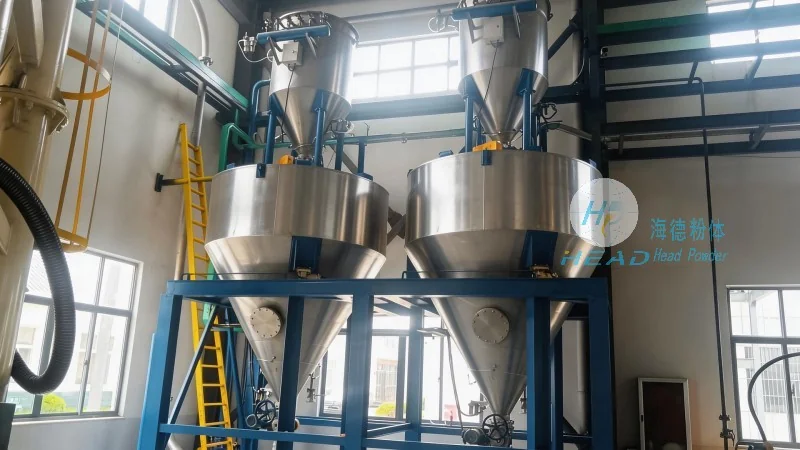
Key Benefits of Negative Pressure Systems for Rice Bran
Negative pressure pneumatic conveying offers unique benefits for rice bran applications. One of the primary advantages is its ability to handle fine powders with minimal particle breakage, which is vital for maintaining the quality of the bran for food or animal feed applications. The gentle suction process reduces the risk of material degradation, ensuring that the nutritional value and physical characteristics of the rice bran are preserved. Additionally, negative pressure systems are more energy-efficient for long-distance conveying, as the vacuum pump operates at lower power consumption compared to the high-pressure blowers used in positive pressure systems. However, these systems are generally more complex and require more maintenance, as they involve additional components such as filters and vacuum pumps. The conveying line must also be carefully designed to prevent air leaks, which can reduce the efficiency of the system and increase energy costs.