

Analysis of Soda Ash Pneumatic Conveying Technology: Comparison of Positive and Negative Pressure Mo
Efficient material handling is a critical aspect of industrial operations, and pneumatic conveying technology has emerged as a versatile solution for transporting bulk materials like soda ash. This article provides an in-depth analysis of the two primary modes of pneumatic conveying—positive pressure and negative pressure systems—focusing on their applications, advantages, and limitations. By understanding these modes, industries can make informed decisions to optimize their material transport processes.
Introduction to Pneumatic Conveying Systems
Pneumatic conveying systems utilize air or gas to transport bulk materials through a pipeline network. These systems are widely used in various industries, including chemical, food, and pharmaceutical sectors, due to their ability to handle materials that are difficult to transport by conventional methods such as belt conveyors or trucks. The choice between positive and negative pressure systems depends on factors like material characteristics, distance, and system complexity.
Positive Pressure Pneumatic Conveying Mode
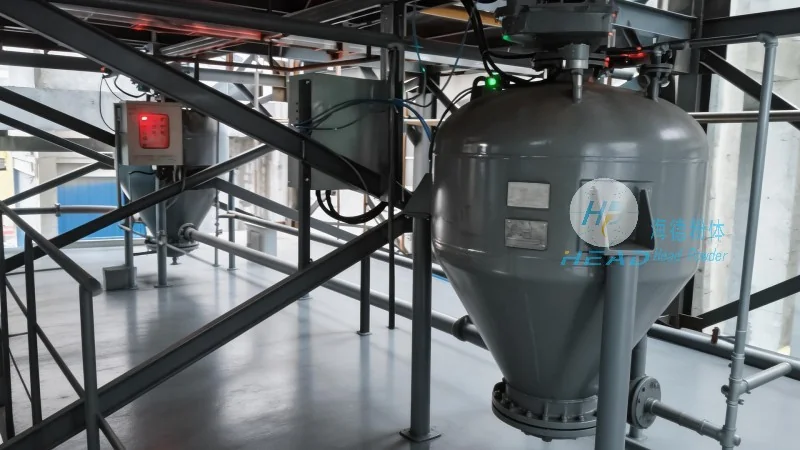
Positive pressure systems operate by blowing air or gas into the conveying line, creating a pressure higher than the ambient air pressure. This method is particularly effective for transporting materials over long distances or through complex network layouts. The primary advantage of positive pressure systems is their ability to handle abrasive or corrosive materials without significant wear on the system components. Additionally, they can transport materials from multiple sources to a single destination, making them suitable for large-scale industrial applications.
In a positive pressure system, the material is introduced into the conveying line at the inlet, where it is mixed with the pressurized air. The air flow then propels the material through the pipeline to the discharge point. This mode is often preferred for applications involving high-volume material transport, as it can maintain consistent flow rates and reduce the risk of material degradation. However, positive pressure systems require robust sealing and filtration to prevent dust emissions and maintain air quality.
Negative Pressure Pneumatic Conveying Mode
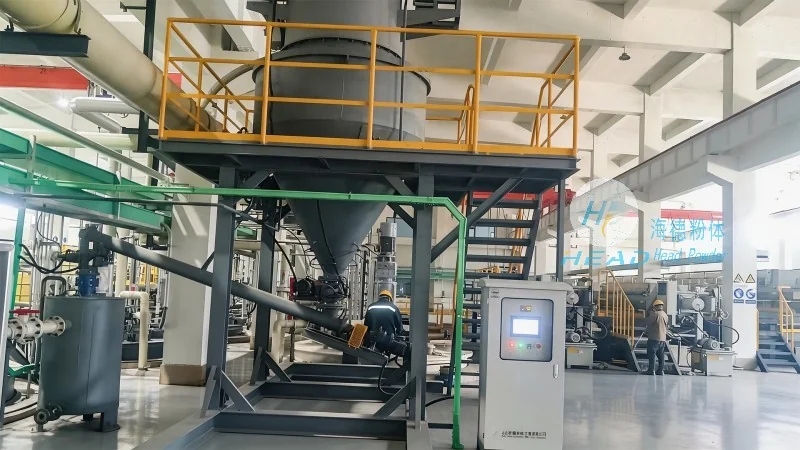
Negative pressure systems, also known as vacuum systems, operate by creating a vacuum in the conveying line, which draws material from the source into the pipeline. This method is ideal for short-distance transport or when the material needs to be collected from multiple points. The main advantage of negative pressure systems is their lower energy consumption compared to positive pressure systems, as they do not require high-pressure air compressors. Additionally, they are less likely to cause dust emissions at the source, making them suitable for applications where environmental regulations are stringent.
In a negative pressure system, the material is drawn into the conveying line by the vacuum created at the inlet. The air flow then carries the material to the discharge point, where the vacuum is released. This mode is often used for transporting materials that are sensitive to pressure or temperature changes, as the system maintains a relatively low pressure environment. However, negative pressure systems may experience higher wear on the suction side due to the abrasive nature of the material being drawn in.
Comparison of Positive and Negative Pressure Modes
When comparing positive and negative pressure pneumatic conveying systems, several factors must be considered. Positive pressure systems are generally more suitable for long-distance transport and high-volume applications, as they can maintain consistent flow rates and handle abrasive materials effectively. In contrast, negative pressure systems are better suited for short-distance transport and applications requiring low energy consumption or minimal dust emissions. The choice between the two modes also depends on the material's characteristics, such as its density, flowability, and dustiness.
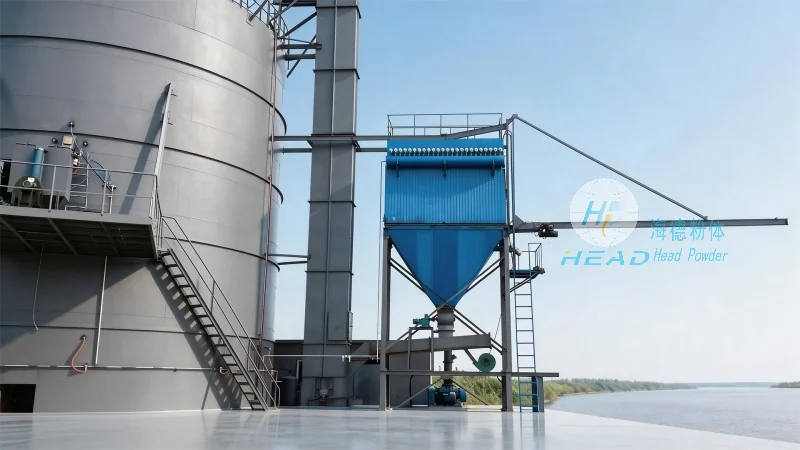
From an operational perspective, positive pressure systems require more maintenance due to the higher pressure and potential for wear on components like blowers and filters. Negative pressure systems, while less energy-intensive, may need more frequent cleaning of the suction side to prevent clogging. Additionally, the initial investment for positive pressure systems is typically higher due to the need for high-pressure air compressors and robust pipeline infrastructure.
Applications in Soda Ash Handling
Soda ash, or sodium carbonate, is a widely used industrial chemical with applications in glass manufacturing, water treatment, and chemical synthesis. The handling of soda ash requires specialized equipment to ensure safety and efficiency. Pneumatic conveying systems are particularly effective for transporting soda ash, as the material is often in bulk form and can be abrasive. Both positive and negative pressure modes can be used for soda ash transport, but the choice depends on the specific application requirements.
For example, in a soda ash production facility, a positive pressure system may be used to transport raw materials from storage silos to the processing plant over long distances. This system can handle the abrasive nature of the material and maintain consistent flow rates, ensuring smooth production operations. Conversely, a negative pressure system may be used to collect fine soda ash dust from a processing line, as it can minimize dust emissions and maintain a clean working environment.
Key Considerations for Implementing Pneumatic Conveying Systems
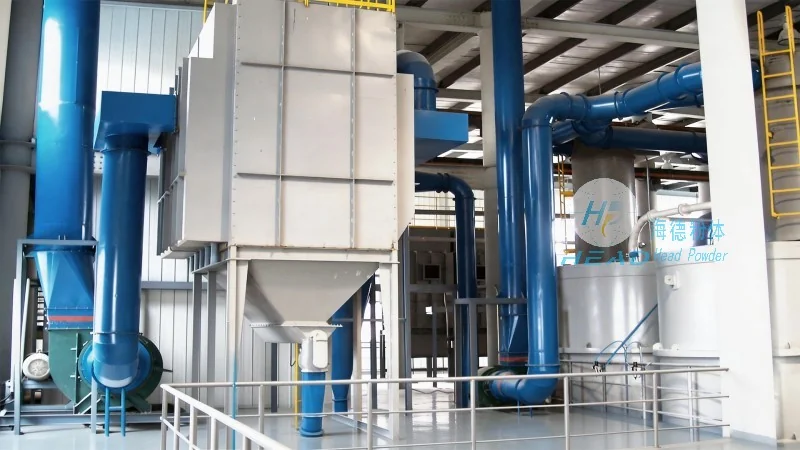
When implementing a pneumatic conveying system for soda ash handling, several key considerations must be addressed. First, the material characteristics, such as its density, flowability, and dustiness, must be carefully evaluated to determine the appropriate system design. Second, the distance and layout of the transport network must be considered to select the optimal pressure mode. Third, the energy consumption and maintenance requirements of the system should be assessed to ensure cost-effectiveness.
Additionally, the system's compatibility with existing infrastructure and the environmental regulations in the operating region must be taken into account. For instance, in regions with strict air quality standards, negative pressure systems may be preferred to minimize dust emissions. Finally, the reliability and durability of the system components, such as blowers, filters, and pipelines, are critical to ensuring long-term operational efficiency.
Conclusion
Pneumatic conveying technology offers a reliable and efficient solution for transporting soda ash and other bulk materials. The choice between positive and negative pressure modes depends on the specific application requirements, including distance, material characteristics, and environmental considerations. By carefully evaluating these factors, industries can select the most suitable system to optimize their material handling processes and improve overall operational efficiency.