

Analysis of Powdered Seasoning Pneumatic Conveying Technology: Comparison of Positive and Negative P
For the efficient and safe transportation of powdered seasonings, pneumatic conveying systems have become a critical solution in the food processing industry. These systems utilize air to move bulk materials like spices, herbs, and flavor enhancers from one location to another, offering advantages over traditional mechanical conveying methods. Two primary modes dominate this technology: positive pressure and negative pressure systems. Understanding the differences, advantages, and applications of each is essential for selecting the most suitable solution for seasoning production and handling operations.

Overview of Pneumatic Conveying Systems for Seasoning Products
Pneumatic conveying systems are designed to transport dry, free-flowing powders such as powdered seasonings, which are often sensitive to moisture and contamination. The technology relies on air pressure differentials to move material through a pipeline network. The choice between positive and negative pressure systems depends on factors like material characteristics, system layout, and operational requirements. Both modes have proven effective in the seasoning industry, but their suitability varies based on specific production needs.
Positive Pressure Pneumatic Conveying Systems
Positive pressure systems operate by blowing air into the conveying line, creating a pressure higher than the ambient air. This method is particularly effective for transporting materials over long distances or through complex network layouts. The high pressure ensures consistent material flow and reduces the risk of clogging in the pipeline. In the context of seasoning production, positive pressure systems are often used for bulk handling from storage silos to processing lines or packaging stations. The system typically includes a blower, a material feeder, and a receiver where the seasoning is deposited. The positive pressure environment also helps maintain product integrity by preventing external contaminants from entering the system.
Negative Pressure Pneumatic Conveying Systems
Negative pressure systems, also known as vacuum or suction systems, work by creating a vacuum in the conveying line, drawing material into the pipeline. This approach is ideal for applications requiring gentle handling of delicate or sensitive powders, as the lower air velocity and reduced pressure minimize product degradation. Negative pressure systems are commonly used for short-distance conveying or when the material needs to be collected from multiple points and consolidated into a single receiver. The vacuum also helps in maintaining a clean environment by preventing dust from escaping into the surrounding workspace. However, these systems may be less efficient for long-distance transport due to higher energy consumption and potential for material degradation under prolonged suction.
Key Differences and Performance Metrics
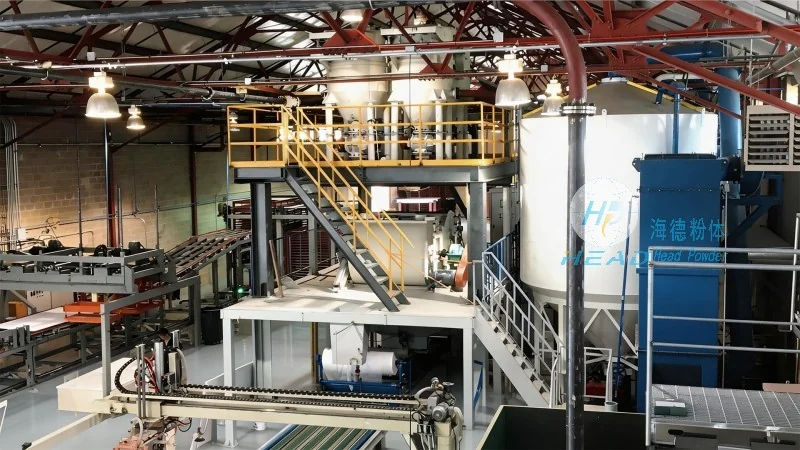
When comparing positive and negative pressure pneumatic conveying systems for seasoning products, several key factors emerge. Positive pressure systems generally offer higher conveying rates and are more energy-efficient for long-distance transport. They are better suited for handling abrasive or high-density materials that require strong air pressure to maintain flow. Conversely, negative pressure systems excel in applications where product quality and gentle handling are paramount, such as with heat-sensitive or low-density powders. The choice also depends on the system's layout; positive pressure is preferred for linear or radial layouts extending over large areas, while negative pressure is more practical for compact, centralized setups.
Applications in Seasoning Manufacturing
Both positive and negative pressure systems find widespread use in seasoning manufacturing facilities. Positive pressure is often employed in large-scale production lines where bulk quantities of powdered seasonings are moved from storage to mixing or packaging equipment. For example, a positive pressure system might transport paprika or garlic powder from a silo to a mixing tank, ensuring a consistent feed rate for the production of spice blends. Negative pressure systems, on the other hand, are commonly used in quality control or sampling operations, where small amounts of seasoning are drawn from various points in the production line for testing. This allows for precise measurement and monitoring of product consistency without disrupting the main production flow.
Advantages and Challenges of Each Mode
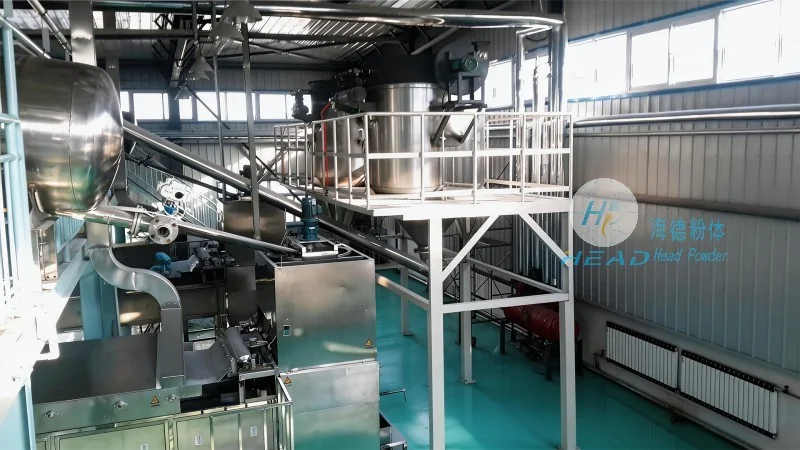
Positive pressure systems offer several advantages, including higher conveying capacity, lower energy consumption for long distances, and better control over material flow. They are also more resistant to clogging and can handle a wider range of material types. However, they may pose higher maintenance costs due to the wear and tear on components from high-pressure air and material abrasion. Additionally, the high pressure can sometimes lead to product degradation if the system is not properly designed or if the material is sensitive to air exposure.
Negative pressure systems provide gentler handling, which is crucial for maintaining the quality of delicate seasonings. They are easier to install in existing facilities as they do not require extensive modifications to the building's ventilation system. However, these systems are less efficient for long-distance transport, leading to higher energy costs and potential for material degradation over time. They also require more careful maintenance to prevent leaks, as any breach in the vacuum seal can compromise the system's performance.
Conclusion and Recommendations
Choosing between positive and negative pressure pneumatic conveying systems for seasoning products requires a thorough evaluation of operational needs, material characteristics, and system constraints. Positive pressure systems are generally more suitable for large-scale, high-volume production with long-distance transport requirements, while negative pressure systems are ideal for applications emphasizing product quality and gentle handling. Companies should consider factors such as material density, moisture content, and sensitivity to air exposure when selecting the appropriate mode. By understanding the strengths and limitations of each system, manufacturers can optimize their seasoning handling processes, enhance product quality, and improve overall operational efficiency.