

Analysis of Rice Husk Pneumatic Conveying Technology: Comparison of Positive and Negative Pressure M
HeadPowder, a leading engineering firm based in Shandong, China, specializes in advanced material handling solutions, including pneumatic conveying systems for agricultural byproducts like rice husks. This article provides a detailed technical analysis of rice husk pneumatic conveying, focusing on the comparison between positive and negative pressure modes. By understanding the operational principles and practical applications of each system, industry professionals can make informed decisions about the most suitable technology for their specific material handling needs.
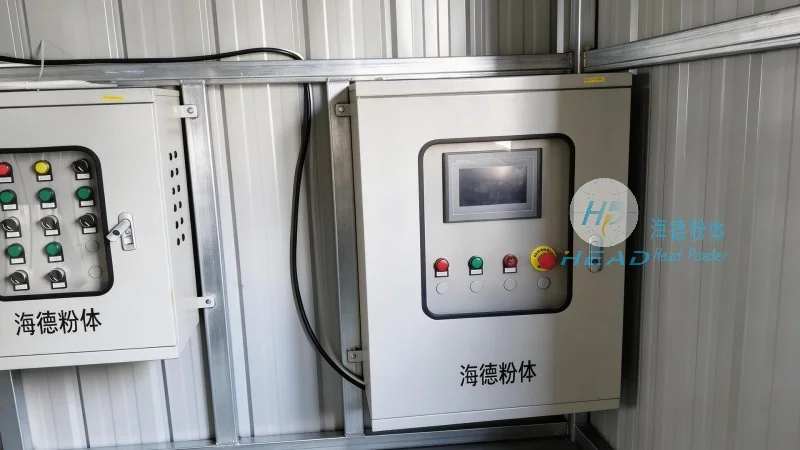
Introduction to Pneumatic Conveying Systems for Rice Husks
Pneumatic conveying is a critical technology in the processing and transportation of bulk materials, such as rice husks, which are widely used in biofuel production, animal feed, and industrial applications. Unlike traditional mechanical conveying methods, pneumatic systems use air or gas to transport materials through a pipeline network, offering advantages like reduced equipment wear, lower maintenance costs, and the ability to handle materials in a dust-free environment. For rice husks, which are lightweight and prone to dust generation, selecting the appropriate conveying mode is essential to ensure efficient and reliable operation.
Positive Pressure Pneumatic Conveying Mode
Positive pressure systems operate by generating air pressure within the conveying line, typically using a positive displacement blower or a centrifugal fan. In this mode, air is forced into the material hopper, where it mixes with the rice husks and propels the material through the pipeline. The primary advantage of positive pressure is its ability to handle long conveying distances and high material loads, making it suitable for large-scale industrial applications. Additionally, positive pressure systems are generally more energy-efficient for long-distance transport, as they maintain consistent air pressure throughout the pipeline. However, they may require more robust equipment to handle high pressures and can be more complex to install and maintain compared to negative pressure systems.
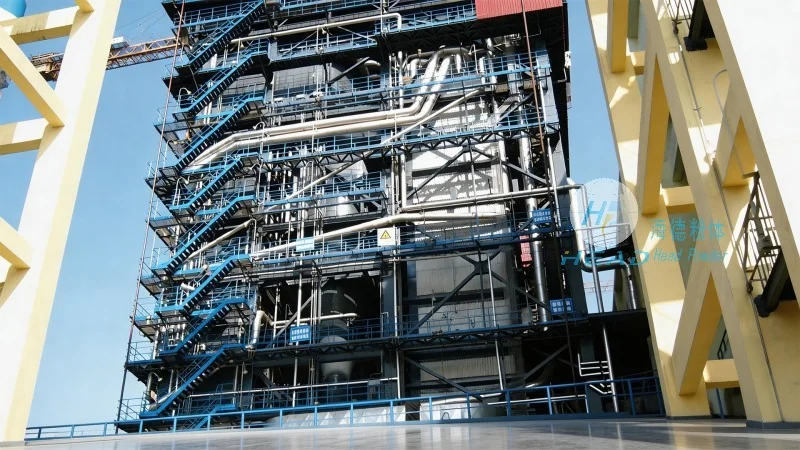
Negative Pressure Pneumatic Conveying Mode
Negative pressure systems, also known as vacuum conveying, work by creating a vacuum in the conveying line, which draws material from the source into the system. This mode is typically powered by a vacuum pump or a fan operating in reverse. Negative pressure conveying is particularly effective for handling fine or dusty materials like rice husks, as it minimizes dust dispersion and provides a cleaner working environment. The system is also more compact and easier to install in confined spaces, making it ideal for applications where space is limited or where dust control is a priority. However, negative pressure systems are generally less efficient for long-distance transport, as the vacuum strength diminishes over distance, and they may require more frequent maintenance to prevent clogging from fine particles.
Comparison of Positive and Negative Pressure Modes
When comparing positive and negative pressure pneumatic conveying for rice husks, several key factors must be considered, including material characteristics, conveying distance, system efficiency, and operational costs. Positive pressure systems excel in scenarios requiring high material throughput and long-distance transport, where the ability to maintain consistent pressure is crucial. They are also better suited for handling abrasive or heavy materials that may cause wear on the conveying line. On the other hand, negative pressure systems are preferred for applications that prioritize dust control, space efficiency, and the handling of fine or lightweight materials. The choice between the two modes often depends on the specific processing requirements and the operational environment of the facility.
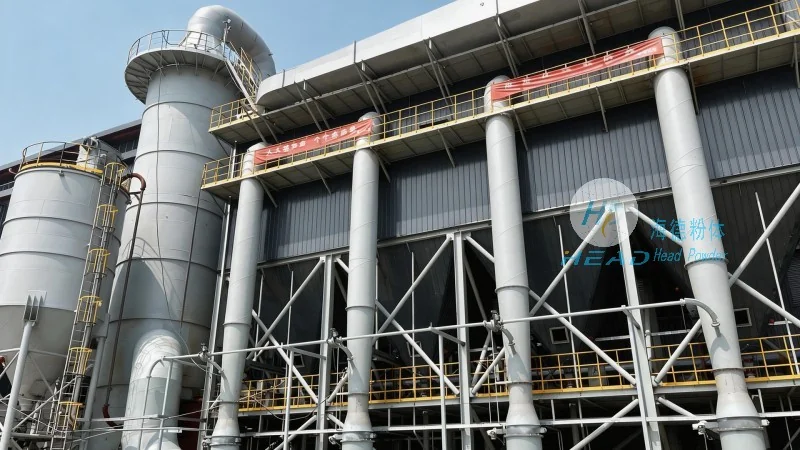
Key Considerations for Implementing Rice Husk Pneumatic Conveying
Before selecting a pneumatic conveying system for rice husks, several technical and operational considerations should be evaluated. First, the material characteristics, such as particle size, moisture content, and dust generation, must be assessed to determine the appropriate system design. For example, rice husks with high dust content may benefit from negative pressure systems to minimize airborne particles. Second, the conveying distance and elevation changes must be considered, as these factors impact the required air pressure or vacuum levels. Third, the system's energy efficiency and operational costs should be evaluated, as both positive and negative pressure systems have different power consumption profiles. Finally, the system's maintenance requirements and availability of spare parts should be taken into account, as regular maintenance is essential to ensure reliable operation.
Conclusion
HeadPowder Engineering Co., Ltd., with its expertise in material handling solutions, provides comprehensive support for the selection and implementation of pneumatic conveying systems for rice husks. By understanding the technical differences between positive and negative pressure modes, industry stakeholders can choose the most suitable technology to optimize their material handling processes. Whether for large-scale industrial applications or smaller processing facilities, the right pneumatic conveying system can enhance efficiency, reduce costs, and improve overall operational performance. As a trusted partner in engineering solutions, HeadPowder continues to innovate and deliver tailored systems that meet the evolving needs of the agricultural and industrial sectors.