

Analysis of Iron Filing Pneumatic Conveying Technology: Comparison of Positive and Negative Pressure
Pneumatic conveying is a critical method for transporting iron filings and other fine particulate materials in industrial settings. This technology involves the use of air or other gases to move material through a pipeline system. For iron filings, which are often used in manufacturing processes such as steel production, foundry work, and metalworking, the choice between positive and negative pressure systems can significantly impact operational efficiency, material handling costs, and system reliability. Understanding the technical differences and practical implications of each mode is essential for selecting the most suitable solution for specific applications.
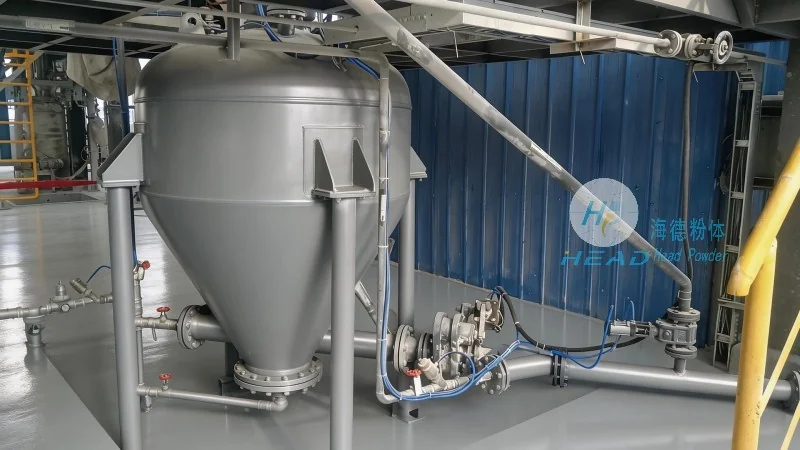
Company Overview: HeadPowder
HeadPowder, formally known as Shandong HeadPowder Engineering Co., Ltd., is a leading provider of pneumatic conveying solutions. With operations based in Shandong, China, the company specializes in designing, manufacturing, and implementing customized systems tailored to the unique needs of industrial clients. HeadPowder's expertise lies in optimizing material handling processes, ensuring that clients achieve enhanced productivity, reduced downtime, and improved safety in their iron filing transport operations.
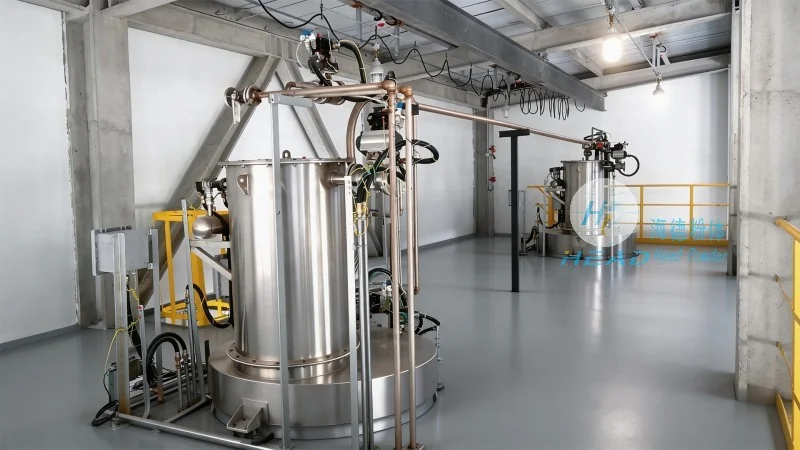
Positive Pressure Pneumatic Conveying Systems for Iron Filings
Positive pressure systems operate by generating air pressure within the conveying line, typically using a blower or compressor to force air and material through the pipeline. This approach is particularly effective for iron filings due to its ability to handle abrasive materials and maintain consistent flow rates. The system design often includes a hopper, a feeder, and a pipeline network, with the blower located at the discharge end to ensure material is pushed forward. Key advantages of positive pressure include high material throughput, suitability for long-distance and high-rise applications, and the ability to handle abrasive or sticky iron filings without excessive wear on components. However, it is important to note that positive pressure systems may require more robust equipment and higher energy consumption compared to negative pressure alternatives.

Negative Pressure Pneumatic Conveying Systems for Iron Filings
Negative pressure systems, also known as vacuum or suction systems, work by creating a vacuum in the pipeline to draw material from the source and transport it to the destination. In this mode, a vacuum pump is used to pull air and iron filings through the pipeline, with the material being collected at the inlet. This approach is well-suited for applications where the material source is located at a higher elevation or where the system needs to operate in a confined space. Negative pressure systems are generally more energy-efficient for short-distance conveying and can be simpler to install in certain environments. However, they may have limitations in handling highly abrasive or large iron filings, as the suction force can be insufficient to maintain consistent flow, potentially leading to blockages or reduced system performance.
Comparative Analysis: Positive vs. Negative Pressure Modes
When evaluating the suitability of positive versus negative pressure systems for iron filing transport, several factors must be considered. Positive pressure systems excel in scenarios requiring high material throughput, long-distance transport, and the handling of abrasive materials. They are ideal for applications where the discharge point is lower than the source, as the pressure pushes material upward. Conversely, negative pressure systems are advantageous for short-distance conveying, where the source is elevated, and where energy efficiency is a primary concern. They are also more suitable for environments where noise and vibration levels need to be minimized, as the vacuum pump operates at lower speeds compared to high-pressure blowers. The choice between the two modes often depends on the specific layout of the facility, the characteristics of the iron filings (such as particle size, moisture content, and abrasiveness), and the overall operational budget. HeadPowder's engineers typically conduct a thorough assessment of these factors to recommend the most efficient and cost-effective solution for each client.
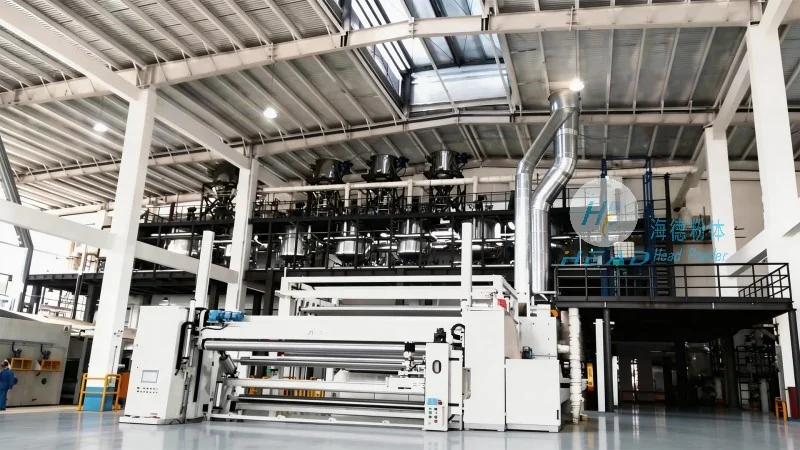
Practical Considerations and Application Recommendations
Implementing either positive or negative pressure pneumatic conveying systems for iron filings requires careful consideration of several practical aspects. For positive pressure systems, regular maintenance of the blower and pipeline components is essential to prevent wear and ensure consistent performance. The use of wear-resistant materials in the pipeline and hopper can extend the system's lifespan, especially when handling abrasive iron filings. For negative pressure systems, proper filtration is critical to prevent dust accumulation and maintain the vacuum pump's efficiency. Additionally, the system design must account for the potential for material buildup in the pipeline, which can be mitigated through the use of pulse jets or other cleaning mechanisms. HeadPowder's team of experts provides comprehensive support throughout the system lifecycle, from initial design and installation to ongoing maintenance and troubleshooting. By leveraging their technical knowledge and experience, clients can optimize their iron filing transport processes, reduce operational costs, and enhance overall productivity in their industrial operations.