

Analysis of Sulfur Pneumatic Conveying Technology: Comparison of Positive and Negative Pressure Mode
HeadPowder, a leading engineering firm based in Shandong, China, specializes in the design and implementation of advanced material handling solutions. With a focus on efficient and reliable systems, the company has established itself as a trusted partner in the chemical and industrial sectors, particularly in the field of sulfur handling and transportation. The company's expertise lies in developing customized pneumatic conveying systems tailored to meet the unique requirements of clients, ensuring optimal performance and safety in material transport operations.
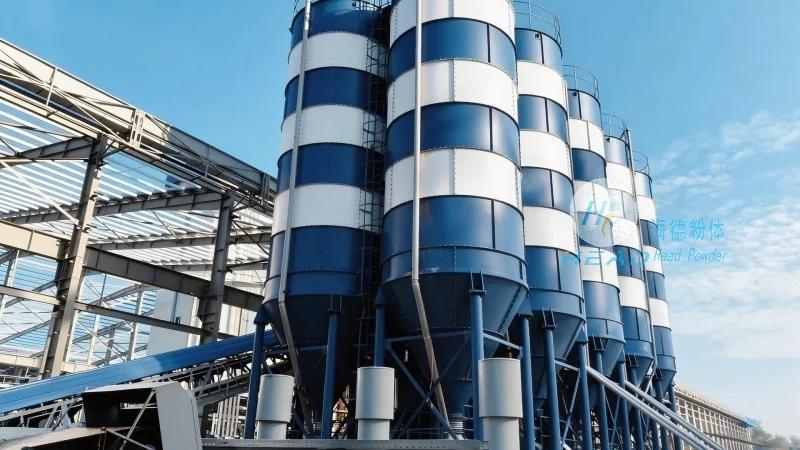
Pneumatic Conveying Technology for Sulfur: Positive vs. Negative Pressure Systems
Sulfur, a critical industrial chemical used in various applications such as fertilizer production, rubber manufacturing, and pharmaceuticals, often requires specialized handling methods to ensure safety and efficiency. Pneumatic conveying, which uses air or gas to transport bulk materials, is a widely adopted technique for sulfur transport. Two primary modes of operation exist: positive pressure and negative pressure systems, each with distinct characteristics and applications.
Positive pressure systems operate by blowing air or gas into the conveying line, creating a pressure higher than the ambient air pressure. This method is particularly effective for transporting sulfur over long distances or through complex piping networks. The high-pressure air ensures that the sulfur particles are propelled forward, minimizing the risk of clogging and ensuring consistent flow rates. HeadPowder's positive pressure systems are designed with robust air compressors and high-quality materials to withstand the corrosive nature of sulfur, providing reliable performance in demanding industrial environments.
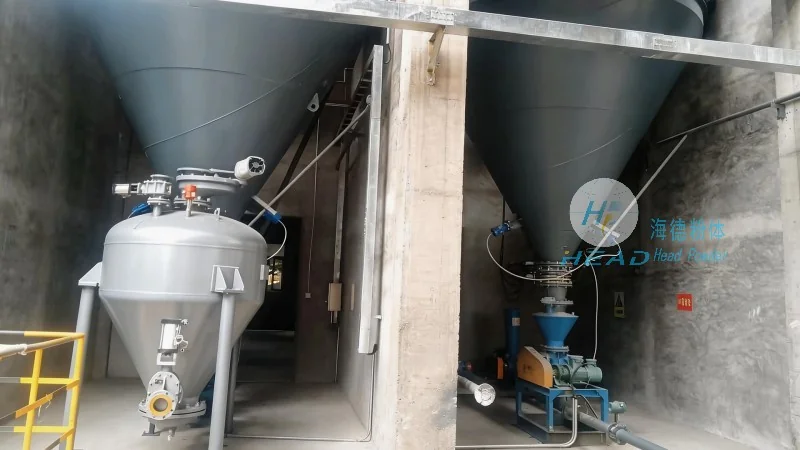
Negative pressure systems, on the other hand, create a vacuum in the conveying line, drawing the sulfur particles into the system. This approach is often preferred for short-distance transport or when the material is to be collected from a confined space. The vacuum helps in maintaining the integrity of the sulfur particles and reduces the risk of dust emissions. However, negative pressure systems require careful maintenance to prevent air leaks, which could compromise the system's efficiency and safety. HeadPowder's negative pressure solutions incorporate advanced filtration and vacuum pumps to ensure clean and efficient operation, making them suitable for applications where dust control is a priority.
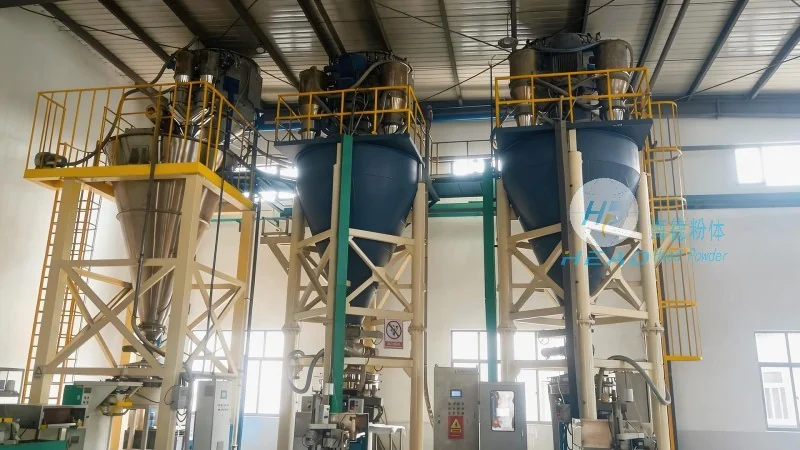
When selecting between positive and negative pressure systems for sulfur handling, several factors must be considered. The distance of the transport route, the complexity of the piping layout, and the environmental regulations regarding dust emissions are key considerations. Positive pressure systems are generally more suitable for long-distance transport due to their ability to maintain high pressure and consistent flow. Negative pressure systems, while effective for short distances, may require more frequent maintenance to prevent air leaks and ensure proper suction. HeadPowder's engineering team provides comprehensive assessments to help clients choose the most appropriate system based on their specific operational needs, ensuring optimal performance and cost-effectiveness.
HeadPowder's expertise in both positive and negative pressure pneumatic conveying systems allows them to offer tailored solutions that address the unique challenges of sulfur transport. By leveraging advanced engineering principles and high-quality components, the company ensures that its systems are not only efficient but also safe and environmentally compliant. Clients can rely on HeadPowder's experience to implement effective sulfur handling solutions that enhance productivity and reduce operational risks in their industrial processes.