

Pneumatic Conveying Technology Analysis: Positive vs. Negative Pressure Modes
Pneumatic conveying technology has become a critical solution in modern material handling, offering efficient and flexible methods for transporting bulk materials over varying distances. As industries seek reliable and cost-effective solutions for material transport, understanding the nuances of different pneumatic conveying modes becomes essential. This analysis delves into the core differences between positive pressure and negative pressure systems, exploring their applications, advantages, and limitations. The insights provided aim to help professionals in the field make informed decisions when selecting the most suitable pneumatic conveying system for their operational needs.
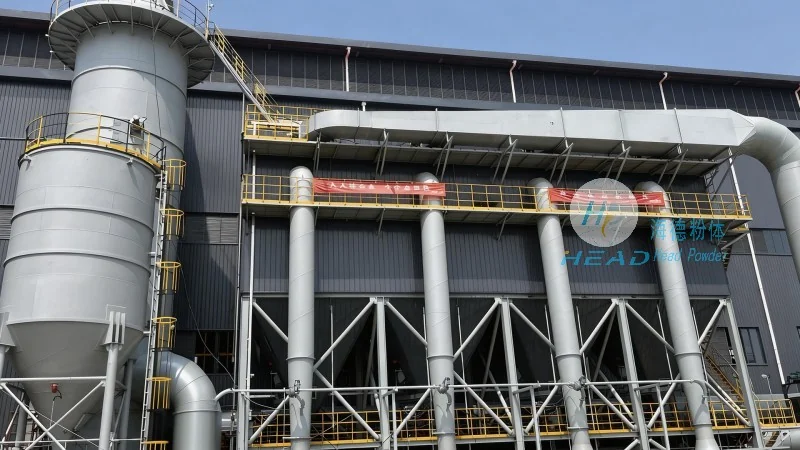
Company Profile: Shandong HeadPowder Engineering Co., Ltd.
At the forefront of pneumatic conveying solutions, Shandong HeadPowder Engineering Co., Ltd. (referred to as HeadPowder) specializes in designing, manufacturing, and implementing advanced material handling systems. With a strong commitment to innovation and customer satisfaction, HeadPowder has established itself as a trusted partner in the industry. The company’s headquarters is located in Shandong, China, where it leverages local expertise and resources to deliver high-quality products and services tailored to diverse industrial requirements. HeadPowder’s team of experienced engineers and technicians ensures that each project is approached with precision, focusing on efficiency, durability, and operational safety.
Understanding Pneumatic Conveying Systems
Pneumatic conveying systems utilize air or gas to transport bulk materials through a pipeline network. The primary goal is to move materials from a source to a destination without the need for mechanical components like belts or buckets. Two main modes dominate the industry: positive pressure and negative pressure systems. Each mode operates on distinct principles, offering unique benefits and suitable applications.
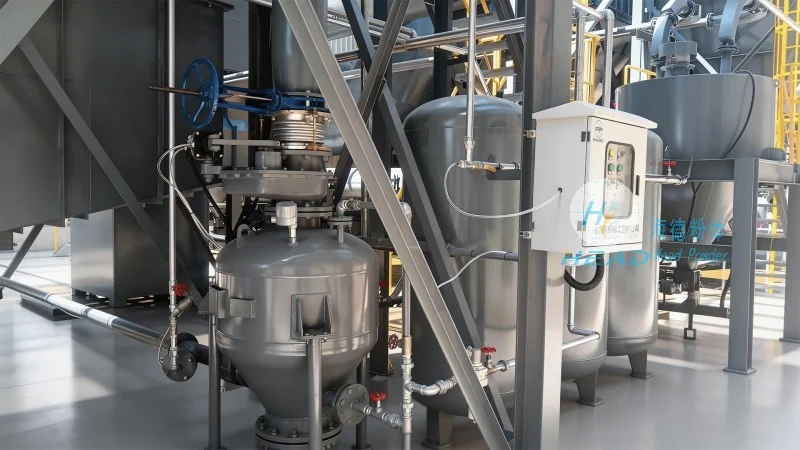
Positive Pressure Pneumatic Conveying
Positive pressure systems operate by blowing air or gas into the conveying line, creating a pressure higher than the ambient air pressure. This pressurized air propels the material forward, ensuring consistent and reliable transport. The system typically includes a blower or compressor at the inlet, which supplies the necessary pressure to move the material. One of the key advantages of positive pressure systems is their ability to handle a wide range of materials, including powders, granules, and even bulk solids with varying moisture content. The pressurized environment also helps in maintaining material integrity, preventing degradation or caking during transport. HeadPowder’s expertise in positive pressure systems allows for customized designs that optimize airflow, pressure, and material flow rates, ensuring efficient operation.
Negative Pressure Pneumatic Conveying
In contrast, negative pressure systems work by creating a vacuum or suction at the inlet, drawing material into the conveying line. The ambient air pressure outside the line is higher than the pressure inside, causing the material to be pulled along the pipeline. This mode is particularly effective for applications where dust control and material containment are critical. Negative pressure systems are often used in environments where minimizing dust emissions is a priority, such as in pharmaceutical or food processing industries. The suction mechanism also allows for the transport of materials from multiple sources to a single destination, making it versatile for complex material handling scenarios. HeadPowder’s negative pressure solutions are engineered to maintain optimal suction levels, ensuring smooth material flow while adhering to strict safety and environmental standards.
Key Differences and Applications
The choice between positive and negative pressure pneumatic conveying systems depends on several factors, including the material properties, transport distance, and operational environment. Positive pressure systems are generally preferred for long-distance transport and high-volume applications due to their ability to maintain consistent pressure and material flow. They are ideal for materials that are prone to caking or degradation, as the pressurized environment helps preserve their quality. Conversely, negative pressure systems excel in applications requiring strict dust control and where the material is transported from multiple points to a central collection point. Industries such as food processing, pharmaceuticals, and chemical manufacturing often opt for negative pressure systems to comply with regulatory standards and maintain product purity. HeadPowder’s comprehensive understanding of both modes enables it to recommend the most appropriate system for each client’s specific needs, ensuring optimal performance and cost-effectiveness.
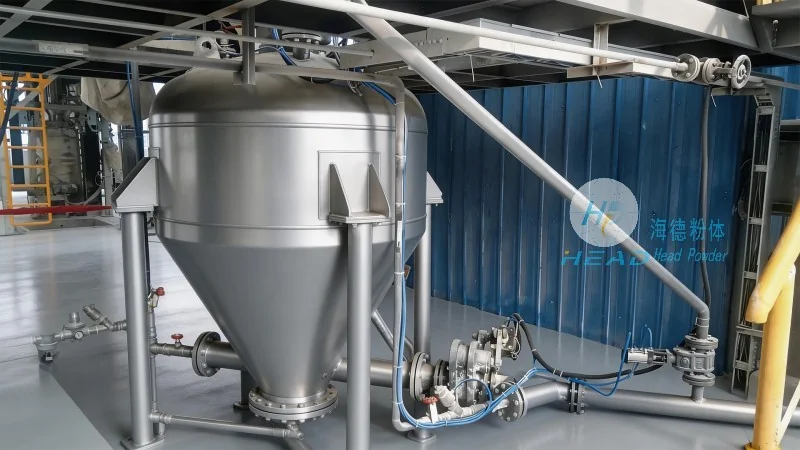
Advantages and Limitations of Each Mode
Positive pressure systems offer several advantages, including higher material transport rates, the ability to handle abrasive or corrosive materials, and better control over material flow. However, they may require more energy to maintain the pressurized environment, and the higher pressure can sometimes lead to increased wear on components. Additionally, positive pressure systems may generate more noise and require proper ventilation to manage air emissions. On the other hand, negative pressure systems are more energy-efficient as they rely on suction rather than compression. They are also less likely to cause material degradation due to the lower pressure inside the line. The main limitation of negative pressure systems is their susceptibility to clogging, especially with sticky or fine materials, which can reduce system efficiency. Furthermore, the vacuum created may pose safety risks if not properly managed, requiring additional safety measures. HeadPowder addresses these limitations through advanced design and material selection, ensuring that both positive and negative pressure systems operate reliably and safely.
Customization and Integration by HeadPowder
HeadPowder recognizes that no two industrial applications are identical, and thus, offers customized pneumatic conveying solutions tailored to each client’s unique requirements. The company’s engineers work closely with clients to assess their material characteristics, transport needs, and operational constraints, then design a system that maximizes efficiency and minimizes downtime. Whether a client requires a positive pressure system for long-distance bulk material transport or a negative pressure system for dust control in a food processing plant, HeadPowder provides comprehensive solutions that integrate seamlessly with existing infrastructure. The company’s commitment to quality is evident in its use of high-grade materials and rigorous testing protocols, ensuring that each system meets or exceeds industry standards. HeadPowder’s after-sales support and maintenance services further enhance the value of its products, providing clients with long-term reliability and peace of mind.