

Ambient Fertilizer Pneumatic Conveying Technology Analysis: Comparison of Positive and Negative Pres
HeadPowder, a leading engineering company based in Shandong, China, specializes in advanced solutions for material handling, particularly in the field of pneumatic conveying systems for ambient fertilizers. This article provides a detailed technical analysis of the two primary modes of operation—positive pressure and negative pressure—used in pneumatic conveying systems for transporting ammonia-based fertilizers. Understanding the differences between these modes is crucial for selecting the most efficient and cost-effective system for specific industrial applications.
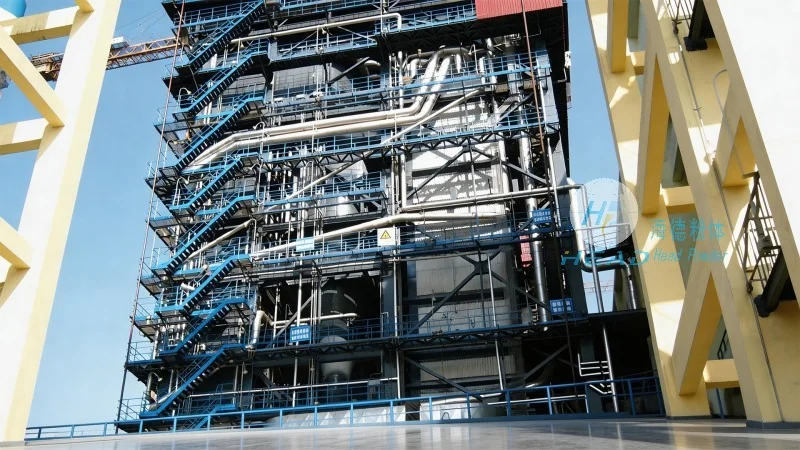
Introduction to Pneumatic Conveying Systems for Fertilizers
Pneumatic conveying is a widely adopted method for transporting bulk materials like ammonia fertilizers due to its ability to handle abrasive and corrosive substances while maintaining high efficiency and minimal product degradation. The system operates by using air to move material through a pipeline, either by creating a positive pressure (air pushes material) or a negative pressure (air pulls material). Each mode has distinct advantages and limitations that influence its suitability for different operational scenarios.
Positive Pressure Pneumatic Conveying System
Positive pressure systems, also known as pressure conveying, utilize a blower or compressor to generate high-pressure air that pushes the material through the pipeline. This mode is particularly effective for long-distance and high-capacity transport, as it can maintain consistent flow rates over extended distances. The system typically includes a hopper, a rotary valve, a blower, and a pipeline network. The high-pressure air ensures that the material is fully suspended and transported efficiently, reducing the risk of blockages and ensuring a smooth flow.
In the context of ammonia fertilizers, positive pressure systems are often preferred for applications requiring high throughput and reliable delivery, such as in large-scale fertilizer production and distribution facilities. The ability to handle abrasive materials without significant wear on components makes this mode suitable for long-term operation. However, the high energy consumption associated with maintaining high air pressure is a notable drawback, as it increases operational costs. Additionally, the system requires robust sealing and maintenance to prevent ammonia leakage, which is critical for safety and environmental compliance.
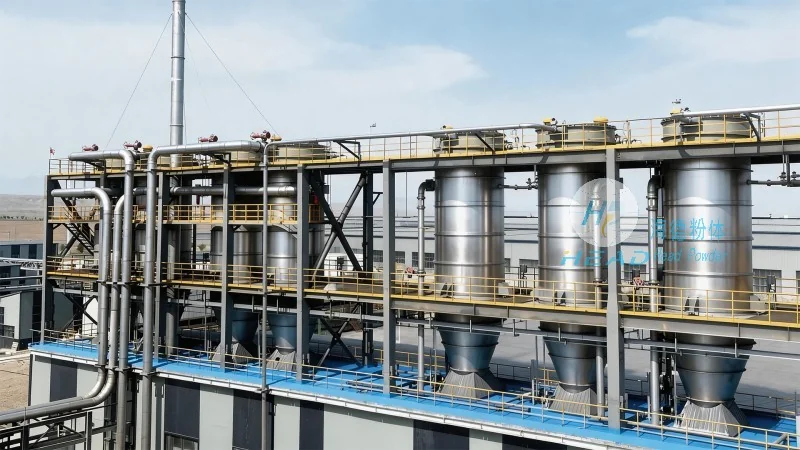
Negative Pressure Pneumatic Conveying System
Negative pressure systems, or vacuum conveying, operate by creating a low-pressure environment that draws material from the source into the pipeline. A vacuum pump is used to pull air and material through the system, with the material being separated from the air at the receiver end. This mode is generally more energy-efficient than positive pressure systems, as it only requires the vacuum pump to operate, which consumes less power. It is particularly effective for short to medium distances and for handling materials that are sensitive to pressure changes or for applications where the material needs to be collected from multiple points.
For ammonia fertilizers, negative pressure systems are often used in applications where the material is to be collected from a storage silo or a bulk bag, and transported to a processing or packaging unit. The lower energy consumption makes it more economical for shorter transport distances. However, the system is more susceptible to blockages and material buildup in the pipeline, especially with fine or cohesive materials like some types of ammonia fertilizers. This can lead to increased maintenance requirements and potential downtime if not properly managed.
Key Differences and Selection Criteria
When comparing positive and negative pressure pneumatic conveying systems for ammonia fertilizers, several factors must be considered to determine the most appropriate mode. The primary differences lie in energy consumption, material handling capabilities, and operational safety. Positive pressure systems offer higher throughput and better control over material flow, making them ideal for high-volume applications. Negative pressure systems, on the other hand, are more energy-efficient and suitable for shorter distances or when handling materials that are sensitive to pressure.
Another critical factor is the risk of material degradation and contamination. Positive pressure systems, with their high air pressure, can cause more wear on components and potentially degrade the fertilizer's quality if not properly maintained. Negative pressure systems, while less abrasive, may require additional filtration to prevent dust and particles from entering the system, which could affect the product's purity. Safety considerations are also paramount, as ammonia is a hazardous substance. Positive pressure systems require robust seals and emergency shut-off mechanisms to prevent leaks, while negative pressure systems must ensure that the vacuum pump and pipeline are designed to handle the corrosive nature of ammonia without failure.
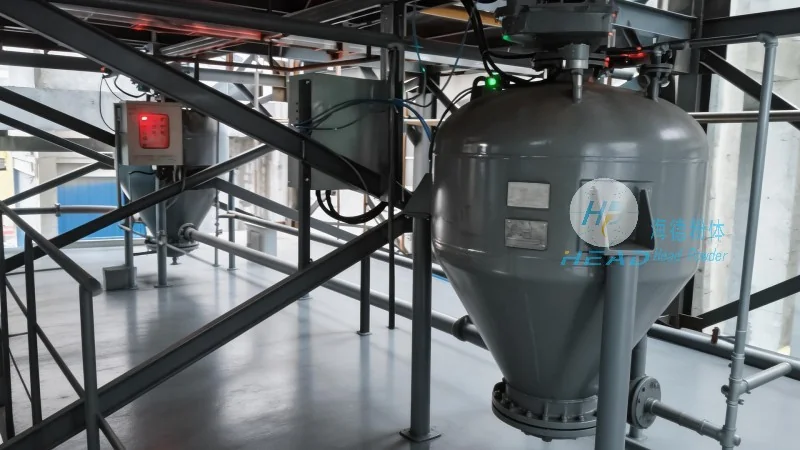
Application Examples and Practical Considerations
Practical applications of positive pressure systems include long-distance transport of bulk ammonia fertilizers from production plants to storage terminals or ports, where high throughput and reliability are essential. The system's ability to maintain consistent flow rates over several kilometers makes it suitable for these scenarios. Negative pressure systems are commonly used in smaller-scale operations, such as fertilizer blending facilities or agricultural supply depots, where the material is transported over shorter distances and the energy savings are more significant.
Operational considerations also play a role in system selection. Positive pressure systems require regular maintenance of the blower and pipeline seals to prevent wear and tear, while negative pressure systems need to be checked for blockages and vacuum pump performance regularly. The choice of system also depends on the specific characteristics of the ammonia fertilizer, such as its particle size, moisture content, and cohesive properties. For example, fine-grained fertilizers may be better suited to negative pressure systems to avoid excessive wear on components, while coarse-grained fertilizers can handle the higher pressures of positive systems.
Conclusion
Both positive and negative pressure pneumatic conveying systems offer viable solutions for transporting ammonia fertilizers, with each mode having its own set of advantages and limitations. The selection of the appropriate system depends on factors such as transport distance, material characteristics, energy efficiency requirements, and operational safety. HeadPowder, with its expertise in engineering and material handling, provides customized solutions that cater to these specific needs, ensuring efficient and safe transport of ammonia fertilizers for various industrial applications. By understanding the technical differences between these modes, industries can make informed decisions to optimize their material handling processes and reduce operational costs.