

Analysis of Limestone Pneumatic Conveying Technology: Comparison of Positive and Negative Pressure M
When it comes to the efficient and safe transportation of limestone, pneumatic conveying systems have become a critical solution for industries relying on bulk material handling. The choice between positive pressure and negative pressure modes in such systems is a pivotal decision that impacts operational efficiency, cost-effectiveness, and overall system reliability. This article provides an in-depth analysis of the two primary pneumatic conveying modes for limestone, highlighting their mechanisms, advantages, and practical applications.
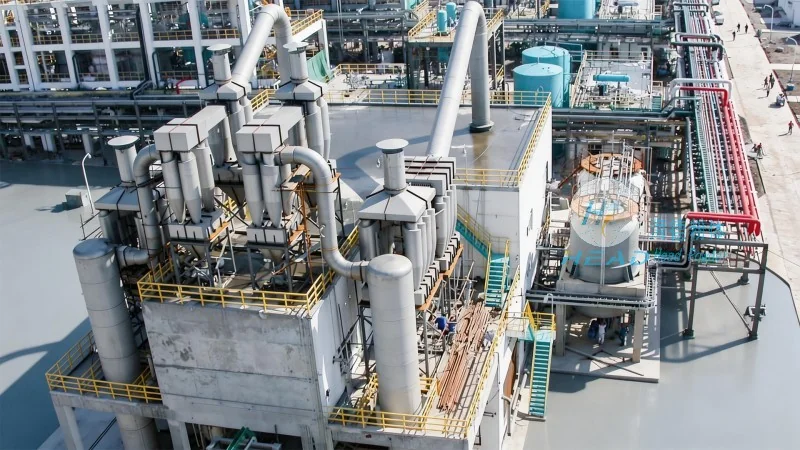
Understanding Pneumatic Conveying Systems for Limestone
Limestone, a widely used raw material in construction, cement production, and chemical manufacturing, requires reliable transport methods to ensure smooth production processes. Pneumatic conveying systems utilize air or gas to move dry bulk materials like limestone through pipelines. These systems are preferred for their ability to handle dusty or hazardous materials without the need for mechanical components that might cause wear or contamination. The two main modes of operation—positive pressure and negative pressure—differ in how they generate the necessary airflow to move the material.
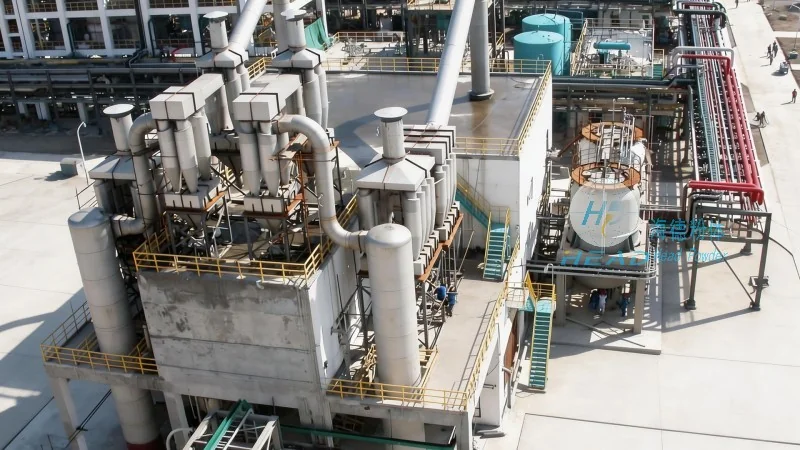
Positive Pressure Pneumatic Conveying: Advantages and Applications
Positive pressure systems operate by blowing air or gas into the conveying line, creating a pressure higher than the ambient air pressure. This method propels the limestone particles forward through the pipeline. A key advantage of positive pressure systems is their ability to handle long distances and high material loads efficiently. They are particularly suitable for applications where the material needs to be transported over significant distances or through complex networked pipelines. The high pressure also helps in maintaining a consistent flow rate, reducing the risk of material buildup or blockages. Additionally, positive pressure systems are generally easier to install and maintain, as they do not require complex vacuum equipment. However, they may require more energy to operate compared to negative pressure systems, and the higher pressure can sometimes lead to increased wear on system components over time.
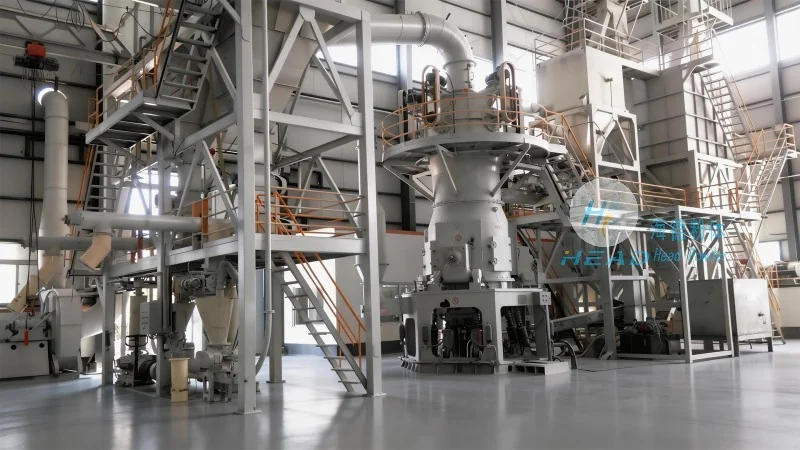
Negative Pressure Pneumatic Conveying: Mechanisms and Benefits
Negative pressure systems, on the other hand, create a vacuum in the conveying line, drawing the limestone particles into the system. This mode is often referred to as suction or vacuum conveying. The primary benefit of negative pressure systems is their lower energy consumption, as they rely on the natural movement of air towards the vacuum. This makes them more energy-efficient, especially for shorter conveying distances or when handling lighter materials. Negative pressure systems are also better suited for applications where the material is sensitive to high pressure or where the system needs to operate in a more controlled, low-pressure environment. They are commonly used in industries where dust control is critical, as the vacuum helps in containing particles and reducing emissions. However, negative pressure systems may have limitations in handling very long distances or high material volumes, as the vacuum strength can diminish over longer pipelines, potentially leading to reduced flow rates or material deposition.
Key Considerations for Choosing Between Modes
The selection between positive and negative pressure pneumatic conveying systems for limestone depends on several factors, including the distance of material transport, the volume of material to be handled, the physical properties of the limestone (such as particle size and moisture content), and the overall system layout. For instance, if the limestone is to be transported over several kilometers or through a network of interconnected pipelines, a positive pressure system might be more appropriate due to its ability to maintain consistent pressure and flow. Conversely, for shorter distances or applications where energy efficiency is a top priority, a negative pressure system could be the better choice. The cost of installation and maintenance is another critical factor; positive pressure systems may have higher upfront costs due to the need for robust blowers and higher-pressure components, while negative pressure systems might require more complex vacuum equipment and filtration systems to manage dust and particles.
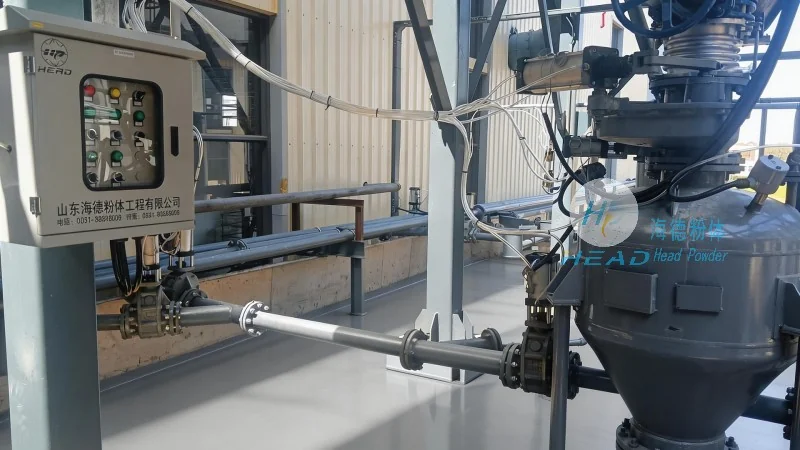
HeadPowder Engineering: Expertise in Limestone Pneumatic Conveying Solutions
Shandong HeadPowder Engineering Co., Ltd., a leading provider of bulk material handling solutions, specializes in designing and implementing advanced pneumatic conveying systems tailored to the specific needs of limestone applications. With years of experience in the industry, HeadPowder engineers work closely with clients to assess their operational requirements, material characteristics, and logistical constraints to recommend the most suitable conveying mode. The company’s expertise extends to both positive and negative pressure systems, ensuring that clients can benefit from the advantages of either mode based on their unique circumstances. HeadPowder’s commitment to quality and innovation is reflected in the robust design and reliable performance of their pneumatic conveying systems, which are engineered to meet the highest industry standards and provide long-term operational efficiency. Whether a client is looking to upgrade an existing system or install a new one, HeadPowder offers comprehensive solutions that enhance material handling capabilities while minimizing operational costs.