

Analysis of Tailings Slurry Pneumatic Conveying Technology: Comparison of Positive and Negative Pres
Understanding the technical nuances of tailings slurry pneumatic conveying is crucial for optimizing material handling in mining operations. This article provides a detailed analysis of the two primary modes—positive pressure and negative pressure systems—offering insights into their operational principles, advantages, and practical applications.
Introduction to Tailings Slurry Pneumatic Conveying
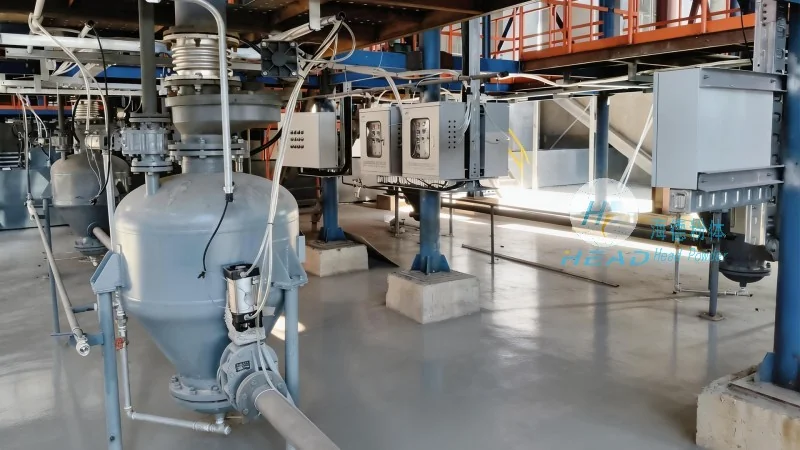
Tailings, the byproduct of mineral processing, often require efficient and reliable transport methods to manage waste and recover valuable resources. Pneumatic conveying systems have emerged as a preferred solution due to their ability to handle abrasive and corrosive slurry materials with minimal mechanical wear. The choice between positive and negative pressure modes depends on factors such as distance, material characteristics, and system complexity.
Company Profile: Shandong HeadPowder Engineering Co., Ltd.
HeadPowder, a leading provider of engineering solutions for the mining industry, specializes in the design, manufacturing, and implementation of advanced pneumatic conveying systems. With a strong focus on innovation and customer-centric approaches, the company has established itself as a trusted partner for clients seeking efficient tailings management solutions. HeadPowder's expertise lies in tailoring systems to meet specific operational requirements, ensuring optimal performance and longevity.
Positive Pressure Pneumatic Conveying Systems
Positive pressure systems operate by forcing air or a gas mixture through the conveying line, creating a pressure higher than the ambient environment. This method is particularly effective for conveying tailings over long distances or through complex network configurations. The primary advantage of positive pressure is its ability to handle high concentrations of solids, making it suitable for dense slurry applications. Additionally, positive pressure systems are generally more energy-efficient for longer transport distances, as the pressure differential is maintained throughout the entire pipeline.
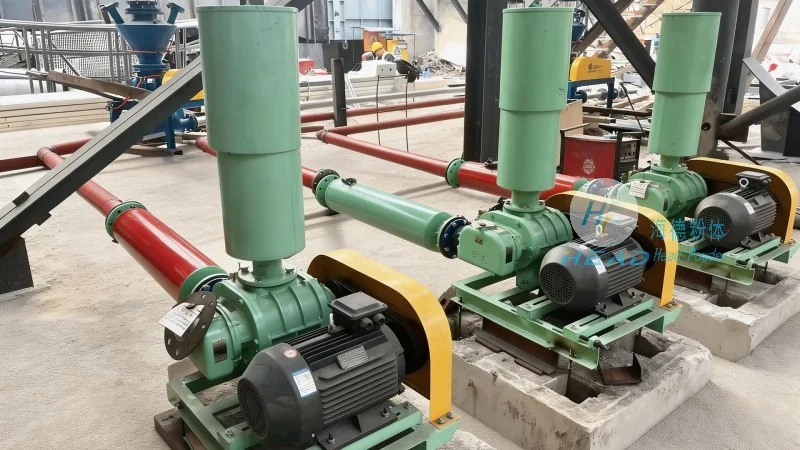
However, positive pressure systems require robust equipment to withstand the higher pressures, including high-pressure blowers and durable piping. The increased energy consumption and higher maintenance costs associated with these systems can be a drawback for some applications. Furthermore, the risk of air leakage and pressure buildup necessitates stringent safety measures and regular system checks.
Negative Pressure Pneumatic Conveying Systems
Negative pressure systems, also known as vacuum systems, rely on a vacuum created at the receiving end to draw the slurry through the pipeline. This approach is ideal for shorter distances or applications where the material is less abrasive. The main advantage of negative pressure is its lower operational pressure, which reduces the risk of equipment failure and simplifies system maintenance. Vacuum systems are also more cost-effective for shorter transport routes, as they typically use smaller and less powerful vacuum pumps.
Nevertheless, negative pressure systems have limitations in handling high-solids concentrations, as the vacuum may not be sufficient to maintain flow over longer distances. The system's efficiency decreases with increased distance and material density, making it less suitable for large-scale tailings transport. Additionally, the risk of clogging and blockages is higher in vacuum systems due to the lower pressure, requiring more frequent cleaning and maintenance.
Key Differences and Selection Criteria
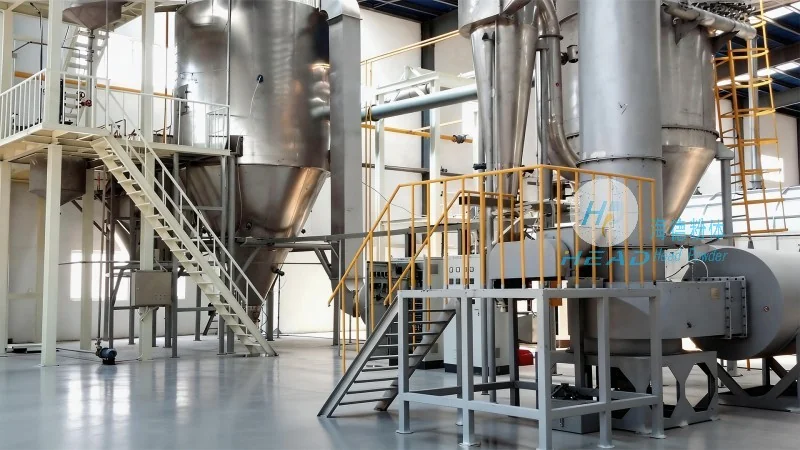
When selecting between positive and negative pressure pneumatic conveying systems for tailings slurry, several factors must be considered. The primary considerations include the distance of the transport route, the concentration and viscosity of the slurry, and the available space for equipment installation. For long-distance transport over several kilometers, positive pressure systems are generally preferred due to their superior efficiency and ability to handle high solids loads. Conversely, for shorter distances or applications with low solids concentration, negative pressure systems may offer a more economical solution.
Another critical factor is the system's compatibility with the material's characteristics. Positive pressure systems excel in handling abrasive and corrosive tailings, as the high pressure helps to maintain flow and reduce clogging. Negative pressure systems, while suitable for less abrasive materials, may require additional equipment, such as pre-screening or filtration, to prevent blockages.
Practical Applications and Case Studies
Both positive and negative pressure pneumatic conveying systems have been successfully implemented in various mining operations worldwide. For instance, a large copper mine in China utilized a positive pressure system to transport tailings over a distance of 5 kilometers, achieving a throughput of 200 tons per hour with minimal downtime. The system's robust design and energy efficiency made it a cost-effective solution for the mine's long-term operations.
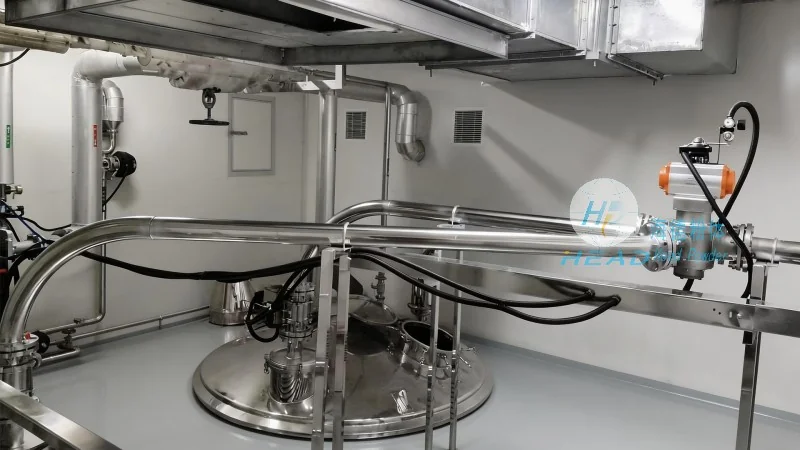
In contrast, a smaller gold processing plant opted for a negative pressure system to handle its tailings over a shorter distance of 1 kilometer. The system's lower cost and simplicity made it an attractive choice, despite the lower throughput compared to the positive pressure system. The plant reported satisfactory performance, with regular maintenance checks ensuring consistent operation.
Conclusion and Recommendations
Choosing the appropriate pneumatic conveying mode for tailings slurry is a critical decision that impacts operational efficiency and cost-effectiveness. Positive pressure systems are ideal for long-distance, high-solids applications, while negative pressure systems are better suited for shorter distances and less abrasive materials. HeadPowder, with its expertise in tailings management solutions, offers customized systems that address specific operational needs, ensuring optimal performance and reliability.
By understanding the technical differences and practical considerations of both positive and negative pressure pneumatic conveying systems, mining operations can make informed decisions that enhance productivity and reduce environmental impact. The right choice ultimately depends on the unique challenges and requirements of each project, making tailored solutions essential for successful tailings handling.