

Analysis of Coconut Shell Powder Pneumatic Conveying Technology: Comparison of Positive and Negative
Coconut shell powder, a widely used material in various industrial applications, requires efficient and reliable handling methods. Pneumatic conveying technology has emerged as a key solution for transporting such powders, offering advantages over traditional mechanical systems. This article provides an in-depth analysis of pneumatic conveying systems for coconut shell powder, focusing on the comparison between positive pressure and negative pressure modes. The discussion will cover the fundamental principles, operational characteristics, and practical considerations of each mode, helping to inform the selection of the most suitable system for specific industrial needs.
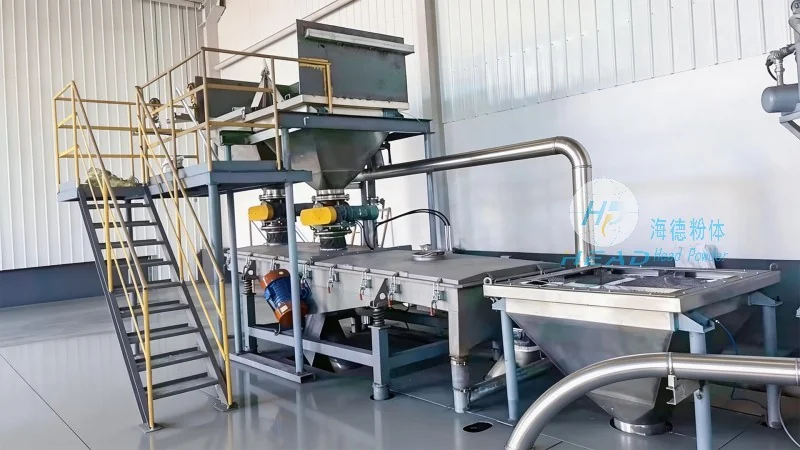
Company Profile: Shandong HeadPowder Engineering Co., Ltd.
Shandong HeadPowder Engineering Co., Ltd., commonly known as HeadPowder, is a leading engineering company specializing in the design, manufacturing, and installation of pneumatic conveying systems. With a strong commitment to innovation and quality, HeadPowder has established itself as a trusted partner in the powder handling industry. The company's headquarters is located in Shandong, China, where it leverages advanced technology and expertise to deliver customized solutions for diverse industrial applications. HeadPowder's team of experienced engineers and technicians ensures that each project is tailored to meet the unique requirements of clients, providing efficient and reliable pneumatic conveying solutions.
Pneumatic Conveying Fundamentals
Pneumatic conveying is a method of transporting bulk materials, such as powders and granules, using air or other gases. The process involves creating a pressure differential between the conveying line and the surrounding environment to move the material through the system. Two primary modes of pneumatic conveying are commonly used: positive pressure and negative pressure systems. Each mode has distinct characteristics and is suitable for different applications, as detailed below.
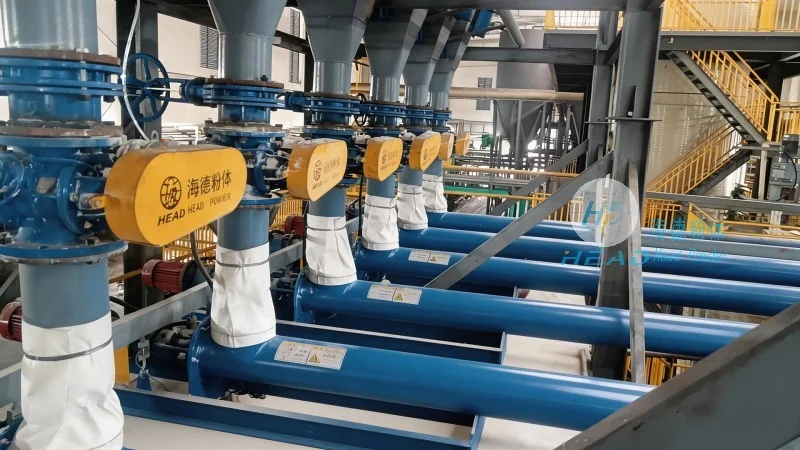
Positive Pressure Pneumatic Conveying
Positive pressure pneumatic conveying systems operate by blowing air or gas into the conveying line, creating a pressure higher than the ambient air pressure. The material is then drawn into the line and transported to the destination. This mode is particularly effective for long-distance and high-capacity applications, as it can maintain consistent pressure and flow rates. The positive pressure system is also suitable for transporting materials that are prone to caking or agglomeration, as the high pressure helps to prevent blockages. HeadPowder specializes in designing positive pressure systems that can handle a wide range of materials, including coconut shell powder, with high efficiency and reliability. The company's engineers consider factors such as material properties, conveying distance, and system capacity when designing positive pressure systems to ensure optimal performance.
Negative Pressure Pneumatic Conveying
Negative pressure pneumatic conveying systems, also known as vacuum systems, operate by creating a vacuum in the conveying line, which draws the material into the system. The material is then transported to the destination under the influence of the vacuum. This mode is ideal for applications where the material needs to be transported from multiple sources or where the destination is at a lower elevation than the source. Negative pressure systems are also suitable for handling materials that are sensitive to pressure or that require a cleaner environment, as the vacuum helps to minimize dust and contamination. HeadPowder offers negative pressure systems that are designed to handle delicate materials like coconut shell powder, ensuring minimal product degradation and efficient transport. The company's systems are equipped with advanced filtration and control mechanisms to maintain a clean and safe working environment.
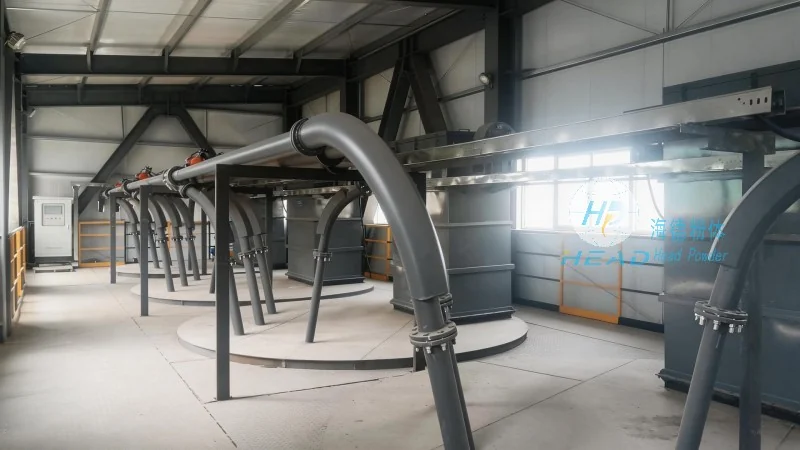
Comparison of Positive and Negative Pressure Modes
When selecting a pneumatic conveying system for coconut shell powder, it is essential to compare the advantages and disadvantages of positive and negative pressure modes. Positive pressure systems are generally more suitable for long-distance and high-capacity applications, as they can maintain consistent pressure and flow rates. They are also more effective in preventing blockages and handling materials that are prone to agglomeration. However, positive pressure systems may require more maintenance and can be more expensive to install and operate. Negative pressure systems, on the other hand, are ideal for applications where the material needs to be transported from multiple sources or where the destination is at a lower elevation. They are also better suited for handling sensitive materials and maintaining a clean environment. The main drawback of negative pressure systems is that they may be less efficient for long-distance transport and can be more prone to clogging if not properly designed.
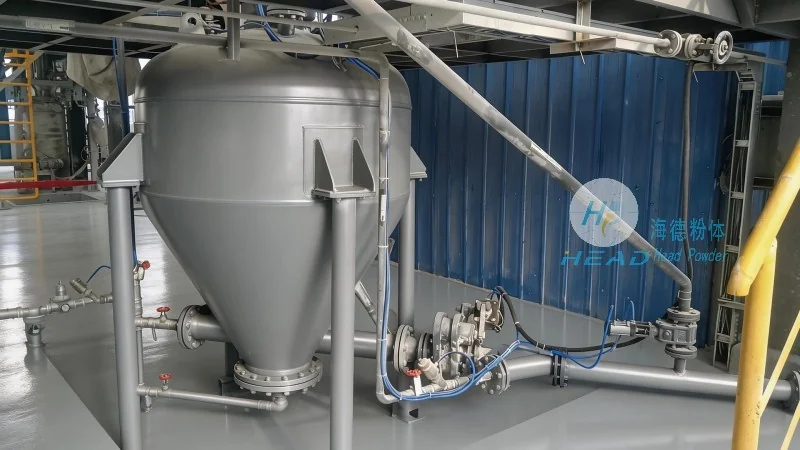
Key Considerations for Coconut Shell Powder Pneumatic Conveying
When implementing a pneumatic conveying system for coconut shell powder, several factors must be considered to ensure optimal performance and efficiency. First, the material properties of coconut shell powder, such as particle size, density, and moisture content, play a crucial role in system design. Larger particles may require higher air velocities to prevent blockages, while smaller particles may need lower velocities to avoid excessive pressure drop. The moisture content of the powder can affect its flowability and may require additional drying or conditioning steps. Second, the conveying distance and system layout are critical factors. Longer distances may necessitate multiple conveying stages or larger diameter pipes to maintain adequate pressure and flow rates. Third, the system's capacity and throughput must be matched to the production requirements. HeadPowder's engineers conduct thorough analyses of these factors to design systems that meet the specific needs of clients, ensuring reliable and efficient operation.
Conclusion
In conclusion, pneumatic conveying technology offers an effective and efficient solution for handling coconut shell powder. The comparison between positive and negative pressure modes highlights the importance of selecting the appropriate system based on specific application requirements. Positive pressure systems are suitable for long-distance and high-capacity applications, while negative pressure systems are ideal for handling sensitive materials and maintaining a clean environment. Shandong HeadPowder Engineering Co., Ltd. provides comprehensive solutions for pneumatic conveying systems, leveraging advanced technology and expertise to deliver customized designs that meet the unique needs of clients. By considering the material properties, conveying distance, and system capacity, HeadPowder ensures that its systems operate efficiently and reliably, providing long-term value to industrial clients.