

Analysis of Titanium Dioxide Pneumatic Conveying Technology: Comparison of Positive and Negative Pre
Titanium dioxide, a critical white pigment widely used in coatings, plastics, and paper industries, requires efficient and reliable material handling solutions during production and transportation. Pneumatic conveying technology has emerged as a key method for transporting fine powders like titanium dioxide, offering advantages such as dust-free operation and reduced material degradation. This article provides an in-depth analysis of the two primary pneumatic conveying modes—positive pressure and negative pressure systems—comparing their applications, advantages, and limitations for titanium dioxide handling.
Introduction to Pneumatic Conveying in Titanium Dioxide Processing
In the titanium dioxide manufacturing process, material transport between different stages, such as from storage silos to processing units or from production lines to packaging facilities, is often challenging due to the fine particle size and high value of the powder. Traditional methods like bucket elevators or belt conveyors may cause dust emissions, material segregation, or product contamination. Pneumatic conveying systems address these issues by using air to transport the powder, ensuring a clean, controlled, and efficient transfer process. For titanium dioxide, which is sensitive to moisture and physical damage, the choice of pneumatic conveying mode is crucial to maintain product quality and operational efficiency.
Positive Pressure Pneumatic Conveying Systems
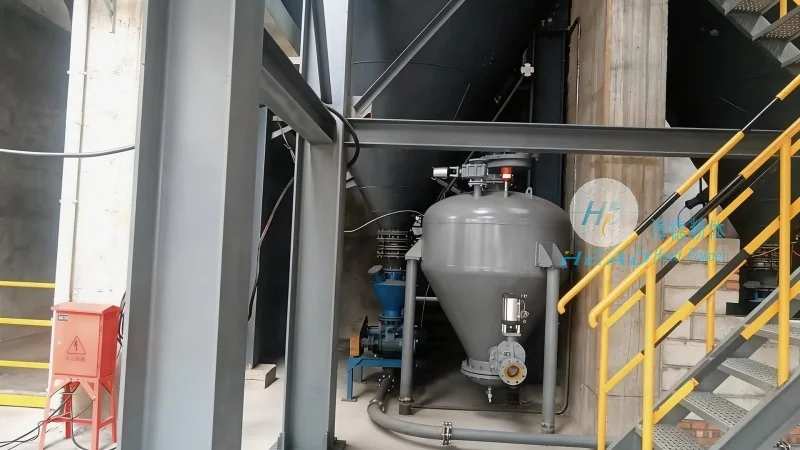
Positive pressure systems operate by blowing air into the conveying line, creating a pressure higher than the ambient atmosphere. This method is commonly used for short to medium-distance conveying of titanium dioxide, particularly in applications where the material is transported from a central storage point to multiple processing locations. The primary advantage of positive pressure systems is their ability to handle high material loads and maintain consistent flow rates, even with varying particle sizes. The pressurized air also helps to prevent dust leakage and maintain a positive pressure environment, reducing the risk of external contaminants entering the system. However, positive pressure systems may require more robust equipment, such as high-pressure blowers and sealed pipelines, which can increase initial investment costs. Additionally, they may generate higher noise levels and require more maintenance due to the continuous operation of high-pressure components.
Negative Pressure Pneumatic Conveying Systems
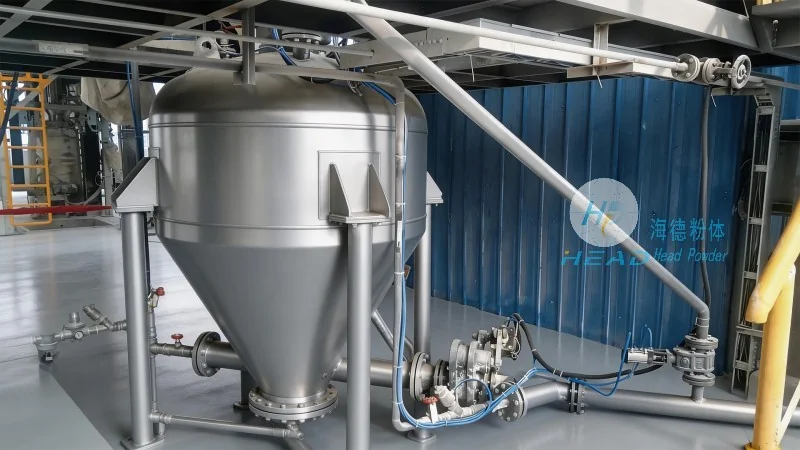
Negative pressure systems, also known as vacuum conveying, operate by creating a vacuum in the conveying line, drawing the titanium dioxide powder from the source into the system. This mode is typically used for longer distances or when the material needs to be transported from multiple points to a central collection point. The vacuum system allows for gentle material handling, minimizing particle breakage and maintaining the integrity of the titanium dioxide particles. Negative pressure systems are often preferred for applications where the material is sensitive to pressure changes or where the source is at a higher elevation than the destination. A key benefit of vacuum conveying is its ability to handle fine powders with low bulk density, as the vacuum helps to maintain a consistent flow by preventing particle settling. However, negative pressure systems may have lower conveying capacities compared to positive pressure systems and can be more susceptible to clogging if the powder contains moisture or agglomerates. The vacuum pumps used in these systems also require regular maintenance to ensure efficient operation.
Comparison of Positive and Negative Pressure Systems for Titanium Dioxide
When selecting a pneumatic conveying system for titanium dioxide, it is essential to evaluate the specific requirements of the application, including distance, material characteristics, and operational constraints. Positive pressure systems are generally more suitable for short to medium distances, high material throughput, and applications where the source is at a lower elevation than the destination. They offer higher conveying rates and better control over the material flow, making them ideal for production lines with high demand for titanium dioxide. On the other hand, negative pressure systems are preferred for longer distances, gentle material handling, and applications where the source is at a higher elevation or where the material is sensitive to pressure changes. They are also more cost-effective for short-distance, low-volume conveying tasks. The choice between the two modes also depends on factors such as the presence of dust hazards, the need for environmental compliance, and the available space for equipment installation. For example, in a titanium dioxide manufacturing plant with multiple storage silos and processing units spread across a large area, a combination of both positive and negative pressure systems may be used to optimize material transport efficiency.
Application Examples in Titanium Dioxide Production
Positive pressure systems are commonly used in the initial stages of titanium dioxide processing, such as transporting raw materials from storage silos to grinding mills or from the milling stage to the classification units. These systems ensure that the fine powder is moved efficiently without causing dust emissions or product contamination. A typical application is the transfer of titanium dioxide from a large storage silo to a central processing facility, where the positive pressure blower maintains a consistent flow rate to meet the production demand. Negative pressure systems are often employed in the final stages of processing, such as conveying the finished product from the packaging line to storage or for transporting the powder from multiple small containers to a central collection point. For instance, in a paper mill that uses titanium dioxide as a coating pigment, a negative pressure system may be used to collect the powder from several small hoppers and transfer it to a larger storage tank, ensuring a clean and controlled process.
Key Considerations for Implementing Pneumatic Conveying in Titanium Dioxide Handling
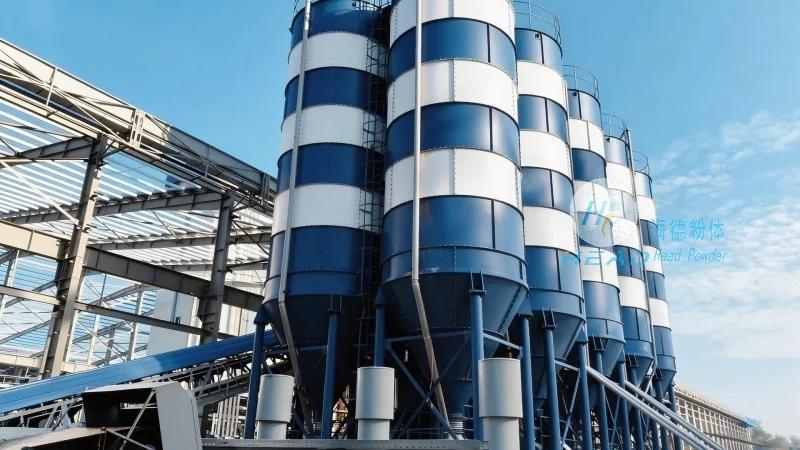
Implementing an effective pneumatic conveying system for titanium dioxide requires careful consideration of several factors to ensure optimal performance and product quality. First, the material characteristics of titanium dioxide, including its particle size distribution, bulk density, and moisture content, must be thoroughly analyzed. Fine particles with high surface area are more prone to agglomeration and clogging, which can affect the system's efficiency. Therefore, pre-treatment steps such as drying or de-agglomeration may be necessary to improve the powder's flowability. Second, the distance and layout of the conveying system must be carefully planned to minimize the number of bends and changes in direction, as these can cause pressure drops and reduce conveying capacity. Proper pipeline design, including the use of appropriate pipe diameters and smooth transitions, is crucial for maintaining consistent flow rates. Third, the choice of air handling equipment, such as blowers or vacuum pumps, must be matched to the system's requirements in terms of pressure, flow rate, and power consumption. High-efficiency equipment can reduce operational costs and improve system reliability. Fourth, regular maintenance and monitoring of the system are essential to prevent issues such as clogging, leaks, or equipment failure. This includes routine cleaning of pipelines, inspection of air filters, and replacement of worn components. By addressing these considerations, manufacturers can ensure that their pneumatic conveying system operates efficiently and reliably, maintaining the quality of titanium dioxide throughout the production and transportation process.
Conclusion
Pneumatic conveying technology plays a vital role in the efficient and safe handling of titanium dioxide, a critical material in various industries. The choice between positive and negative pressure systems depends on the specific application requirements, including distance, material characteristics, and operational constraints. Positive pressure systems offer higher conveying rates and better control for short to medium distances, while negative pressure systems provide gentle handling and are suitable for longer distances or sensitive materials. By carefully evaluating these factors and implementing appropriate design and maintenance strategies, manufacturers can optimize their pneumatic conveying systems to meet the demands of titanium dioxide processing. As the demand for high-quality titanium dioxide continues to grow, the adoption of advanced pneumatic conveying technologies will remain essential for maintaining product quality and operational efficiency in the industry.