

Analysis of Sulfur Powder Pneumatic Conveying Technology: Comparison of Positive and Negative Pressu
Sulfur powder, a vital raw material in sectors like chemical production, fertilizer manufacturing, and energy, demands efficient transport solutions to maintain smooth industrial processes. Pneumatic conveying technology has become a preferred method for handling sulfur powder due to its closed-system operation, which minimizes dust emissions and enhances safety. This article provides a detailed analysis of the two primary pneumatic conveying modes—positive pressure and negative pressure—focusing on their mechanisms, benefits, and practical applications in sulfur powder management.
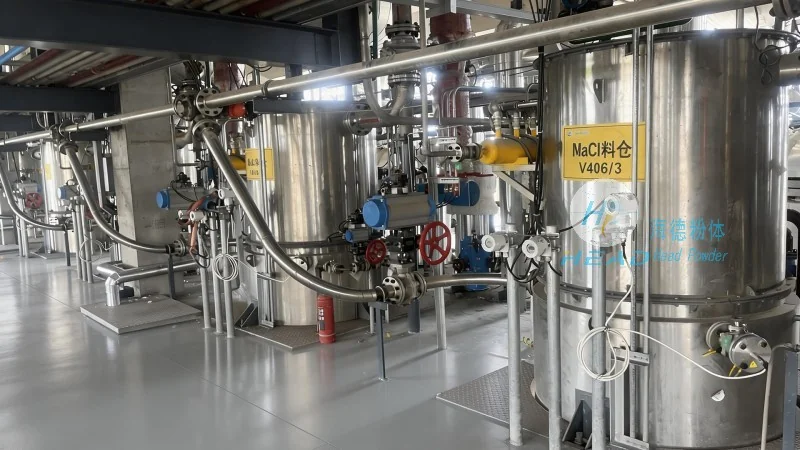
Understanding Pneumatic Conveying Modes
Pneumatic conveying systems use air or gas to transport bulk materials such as sulfur powder through pipelines. The two main modes are positive pressure and negative pressure, each with unique operational principles and suitability for different scenarios. Positive pressure systems push material by blowing compressed air into the line, while negative pressure systems draw material using vacuum. The choice depends on factors like material properties, distance, and system complexity.
Positive Pressure Pneumatic Conveying for Sulfur Powder
Positive pressure pneumatic conveying systems propel sulfur powder through the pipeline using compressed air. This mode is effective for short-to-medium distances and applications requiring gentle handling, such as when the material is prone to clumping. The system typically includes a blower, a material feed hopper, and a conveying pipeline. Compressed air creates a pressure differential that ensures consistent flow and minimizes material degradation.
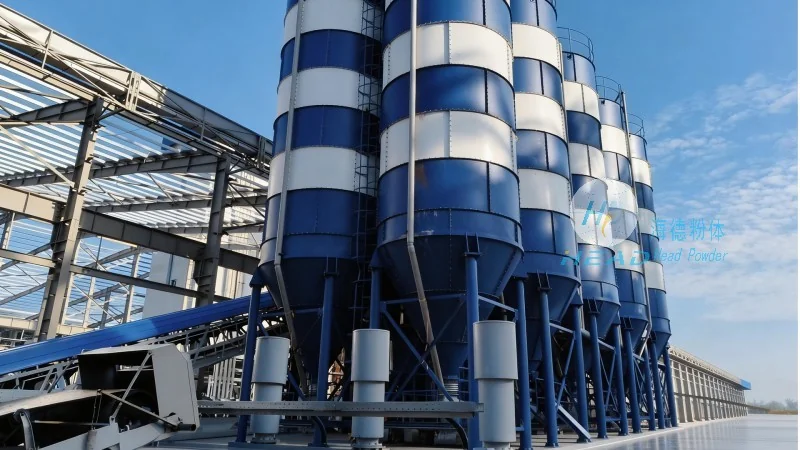
In sulfur powder handling, positive pressure systems offer advantages like high load capacity and stable flow rates even with varying material conditions. They are also relatively simple to install and maintain, making them suitable for industrial environments where operational efficiency is critical. However, they may have higher energy consumption due to continuous blower operation and greater dust leakage risks compared to negative pressure systems.
Negative Pressure Pneumatic Conveying for Sulfur Powder
Negative pressure pneumatic conveying systems draw sulfur powder into the system via vacuum. Ideal for long-distance transport and lightweight materials, this mode uses a vacuum pump, material collection hopper, and pipeline to connect the source to the destination. The vacuum pulls material through the line, ensuring a clean, dust-free transport process.
For sulfur powder applications, negative pressure systems provide benefits like lower energy consumption compared to positive pressure systems and better dust containment. However, they may be less efficient for high-volume or abrasive materials and require regular vacuum pump maintenance. They are often used in fertilizer manufacturing for mixing sulfur powder with other nutrients and transporting it to packaging facilities.
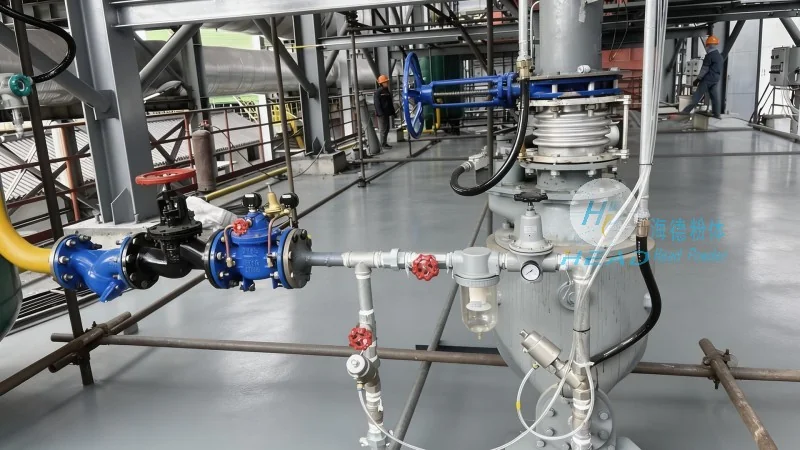
Comparison of Positive and Negative Pressure Modes
When comparing positive and negative pressure pneumatic conveying for sulfur powder, key factors include distance, material load, and operational environment. Positive pressure systems are better for short distances and high volumes, while negative pressure systems excel in long distances and low volumes. Material properties, such as moisture content and particle size, also influence the choice.
Energy efficiency is another critical factor: negative pressure systems are more energy-efficient for long-distance transport, but positive pressure systems may be more cost-effective for short distances due to lower initial investment in vacuum equipment. Maintenance considerations are vital too—positive pressure systems may need more frequent filter changes due to higher dust exposure, whereas negative pressure systems require regular checks on the vacuum pump and pipeline seals.
Applications and Practical Considerations
Both positive and negative pressure pneumatic conveying modes are widely used in sulfur powder handling across industries. Positive pressure systems are common in chemical plants for transporting sulfur powder from storage silos to processing units. Negative pressure systems are often employed in fertilizer production for mixing and transporting sulfur powder to packaging areas.
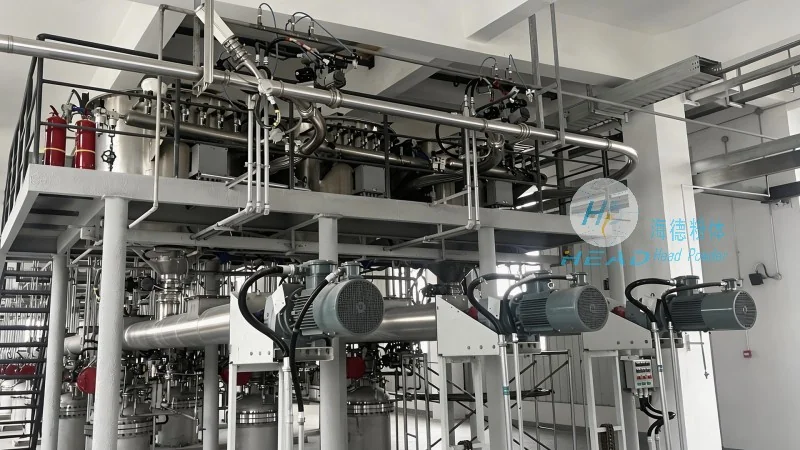
Practical implementation involves pipeline design, blower/vacuum pump selection, and dust collection systems. Proper pipeline diameter and air velocity sizing prevent blockages and ensure smooth flow. Safety features like pressure relief valves and dust explosion prevention measures are also essential to comply with industrial standards.
Conclusion
In summary, pneumatic conveying technology offers an effective solution for sulfur powder transport, with positive and negative pressure modes providing distinct advantages based on application needs. Positive pressure systems suit short distances and high volumes with gentle handling, while negative pressure systems are better for long distances and efficient energy use. By understanding operational principles and practical considerations, industrial facilities can select the most appropriate system to enhance efficiency, reduce costs, and ensure safe sulfur powder handling.