

Analysis of Algae Powder Pneumatic Conveying Technology: Comparison of Positive and Negative Pressur
Algae powder, a key material in modern biotechnology and environmental applications, requires efficient and reliable transport systems to ensure consistent quality and process stability. Pneumatic conveying technology offers a solution by using air to move powder materials, and among the various methods, positive and negative pressure modes are the two primary approaches. This article provides a detailed analysis of these two modes, focusing on their principles, advantages, and practical applications in the context of algae powder handling, with insights from Shandong HeadPowder Engineering Co., Ltd., a leading provider of pneumatic conveying solutions.
Introduction to Pneumatic Conveying Systems
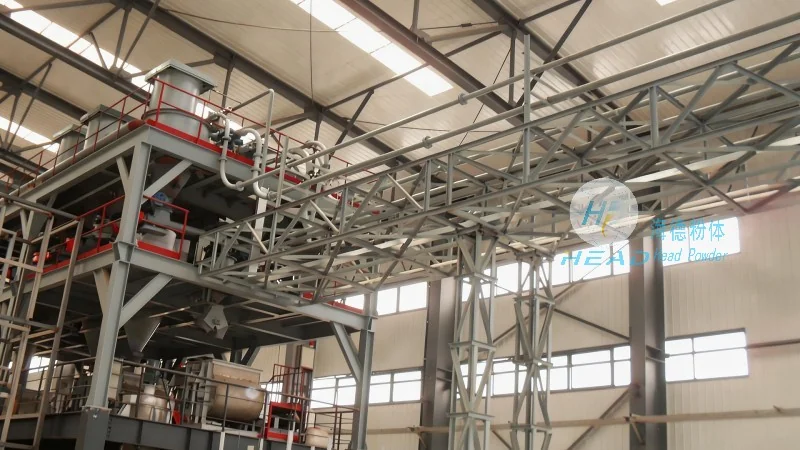
Pneumatic conveying systems are designed to transport bulk materials like algae powder through a pipeline using air as the conveying medium. The system typically consists of a material feed hopper, a conveying line, a control valve, and a receiver or discharge point. The choice between positive and negative pressure modes depends on the specific requirements of the application, including material characteristics, distance, and system complexity.
Positive Pressure Pneumatic Conveying Mode
Positive pressure systems operate by generating high-pressure air at the material feed point. The air is forced through the conveying line, carrying the algae powder particles along with it. This mode is often referred to as "blow-through" or "pressure-assisted" conveying. The key components include a positive displacement blower or a high-pressure compressor, which supplies the necessary air pressure to move the material.
One of the main advantages of positive pressure conveying is its ability to handle long conveying distances and high material loads. The high air pressure ensures that the powder particles are fully entrained and transported efficiently, reducing the risk of blockages or material degradation. This mode is particularly suitable for applications where the material needs to be transported over significant distances or through complex piping networks.
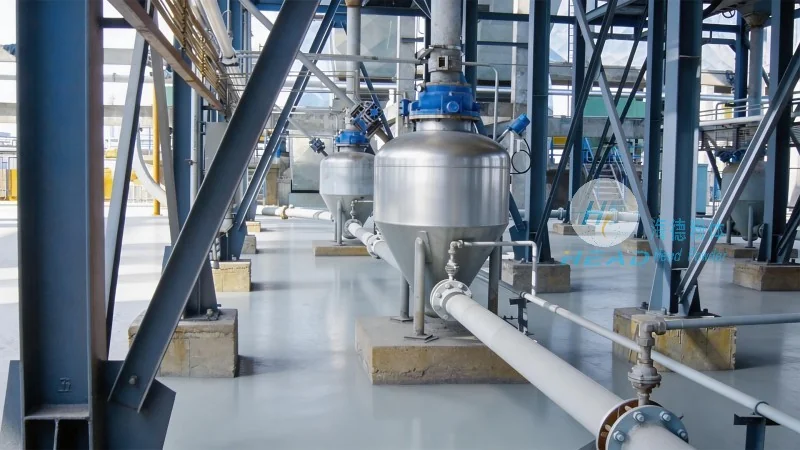
However, positive pressure systems may require more robust equipment and higher energy consumption compared to negative pressure systems. The high-pressure air can also lead to increased wear and tear on the conveying line and components, necessitating regular maintenance and potential higher operational costs. Additionally, the system may produce more noise and air emissions, which could be a concern in certain industrial settings.
Negative Pressure Pneumatic Conveying Mode
Negative pressure systems, also known as "suction" or "vacuum-assisted" conveying, operate by creating a low-pressure zone at the material feed point. The air is drawn through the conveying line, pulling the algae powder particles along with it. The system typically uses a vacuum pump or a fan to create the negative pressure, which is then released at the discharge point.
A key advantage of negative pressure conveying is its lower energy consumption and reduced equipment complexity compared to positive pressure systems. The vacuum pump is generally smaller and less expensive than a high-pressure blower, making it more cost-effective for shorter conveying distances or smaller material volumes. This mode is also less likely to cause material degradation due to lower air velocities and reduced particle impact.
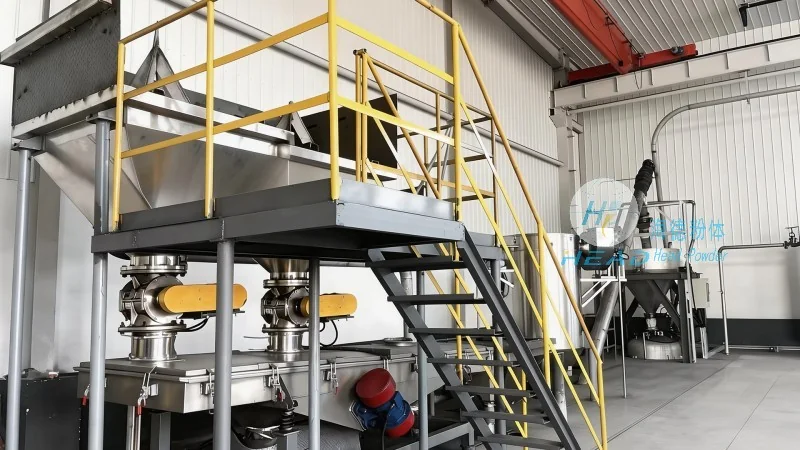
Nevertheless, negative pressure systems have limitations, especially when dealing with long distances or high material loads. The suction effect may not be strong enough to fully entrain all powder particles, leading to potential blockages or reduced conveying efficiency. The system is also more susceptible to external air leaks, which can affect the vacuum level and overall performance. Additionally, the lower air velocity may result in higher material residence time in the system, potentially increasing the risk of dust accumulation or contamination.
Comparison and Selection Criteria
When selecting between positive and negative pressure pneumatic conveying modes for algae powder, several factors must be considered. The primary considerations include the conveying distance, material characteristics (such as particle size, moisture content, and flowability), system cost, and operational requirements. For example, if the algae powder needs to be transported over long distances or through complex pipelines, a positive pressure system may be more suitable due to its higher conveying capacity and efficiency. Conversely, for shorter distances or applications where energy efficiency and lower equipment costs are critical, a negative pressure system may be preferred.
Another important factor is the material's properties. Algae powder is often fine and can be prone to dusting or agglomeration. Positive pressure systems may help prevent agglomeration by maintaining consistent air flow and particle movement, while negative pressure systems may be more suitable for materials that are less prone to degradation and can tolerate lower air velocities.
Application Examples in Algae Powder Handling
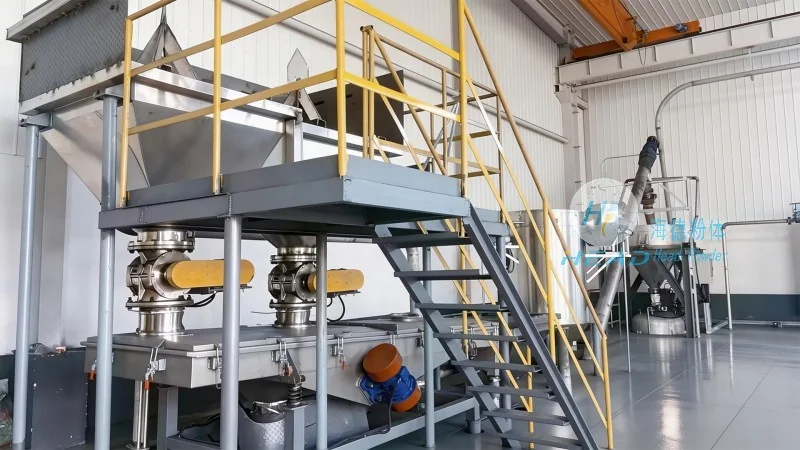
Both positive and negative pressure modes are widely used in the processing of algae powder. For instance, in large-scale algae cultivation facilities, positive pressure systems are commonly employed to transport harvested algae from the cultivation tanks to the drying and processing units. The high-pressure air ensures that the algae powder is conveyed efficiently over long distances without significant loss or degradation.
Negative pressure systems are often used in laboratory or small-scale applications where the volume of algae powder is lower and the conveying distance is shorter. These systems are ideal for transferring algae powder from storage bins to processing equipment, such as mills or mixers, where the material needs to be handled gently to preserve its quality.
Conclusion
In conclusion, both positive and negative pressure pneumatic conveying modes offer viable solutions for transporting algae powder, each with its own set of advantages and limitations. The choice between the two depends on the specific requirements of the application, including distance, material characteristics, and operational constraints. By understanding the principles and characteristics of each mode, industry professionals can select the most appropriate system to ensure efficient, reliable, and cost-effective handling of algae powder. Shandong HeadPowder Engineering Co., Ltd. specializes in designing and implementing customized pneumatic conveying systems tailored to the unique needs of algae powder processing, helping clients optimize their material handling processes and improve overall operational efficiency.