

Analysis of Pneumatic Conveying Technology for Glass Powder: Comparison of Positive and Negative Pre
HeadPowder, a leading engineering firm based in Shandong, China, specializes in advanced material handling solutions. This article delves into the technical aspects of pneumatic conveying for glass powder, focusing on the comparative analysis between positive and negative pressure systems. Understanding the nuances of these modes is crucial for optimizing material transport efficiency and system reliability in industrial applications.
Introduction to Pneumatic Conveying Systems
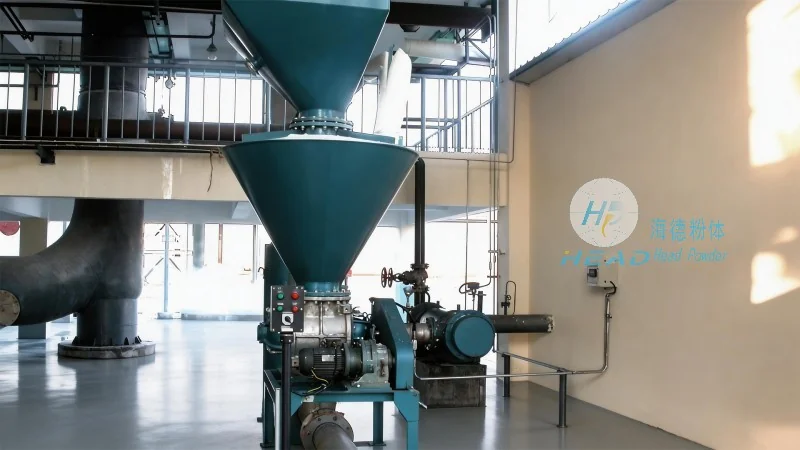
Pneumatic conveying is a method of transporting bulk materials, such as glass powder, through a pipeline using air or other gases. It offers advantages like dust control, reduced material degradation, and the ability to handle materials in a closed system. The two primary modes of pneumatic conveying are positive pressure and negative pressure systems, each with distinct operational principles and applications.
Positive Pressure Pneumatic Conveying
Positive pressure systems operate by blowing air or gas into the conveying line, creating a pressure higher than the ambient environment. This mode is particularly effective for transporting materials over long distances or against gravity. The system typically includes a blower or compressor at the inlet, which generates the necessary pressure to move the material. In the context of glass powder, positive pressure conveying ensures consistent flow rates and can handle abrasive materials without excessive wear on components. HeadPowder's expertise in designing positive pressure systems involves careful selection of blower types, pipeline diameters, and material feed mechanisms to achieve optimal performance.
Negative Pressure Pneumatic Conveying
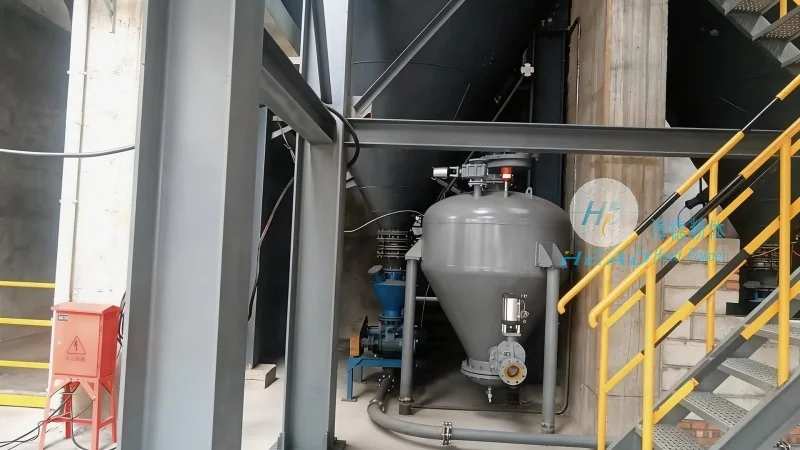
Negative pressure systems, also known as suction or vacuum systems, create a pressure lower than the ambient environment by extracting air from the conveying line. This mode is suitable for applications requiring material transport from multiple sources or where the material needs to be drawn from a hopper or silo. The system relies on a vacuum pump or fan to create the suction force. For glass powder, negative pressure conveying can be advantageous in environments where dust containment is critical, as the system draws material into the pipeline without exposing it to the external air. However, it may have limitations in handling highly abrasive or sticky materials due to the lower air velocity and potential for material buildup in the suction line.
Key Differences and Performance Metrics
When comparing positive and negative pressure pneumatic conveying for glass powder, several factors come into play. Positive pressure systems generally offer higher conveying velocities and can handle larger particle sizes, making them ideal for long-distance transport. They also provide better control over material flow and can be more efficient in terms of energy consumption for high-volume applications. Conversely, negative pressure systems excel in applications requiring gentle material handling, such as transporting fine glass powders that are prone to agglomeration or degradation. The choice between the two modes depends on factors like the distance of transport, the nature of the glass powder (e.g., particle size, moisture content), and the specific requirements of the industrial process.
System Design Considerations for Glass Powder Handling
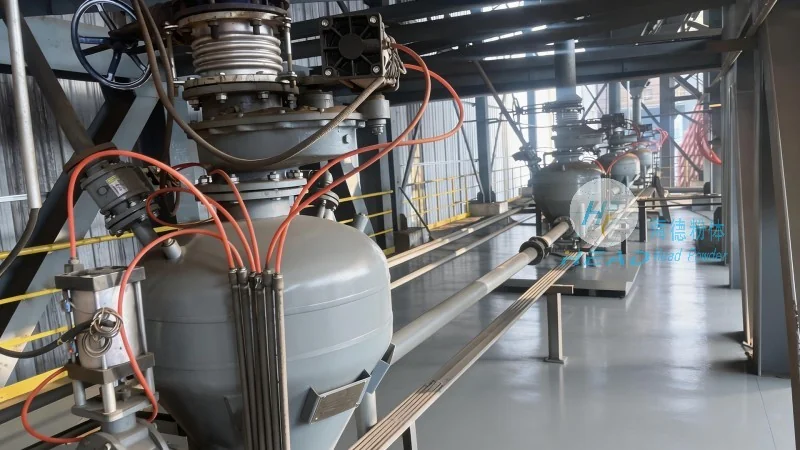
Designing an effective pneumatic conveying system for glass powder involves several critical considerations. The pipeline material must be resistant to the abrasive nature of glass particles, often requiring stainless steel or specialized coatings to prevent wear and corrosion. The selection of air velocity is crucial; too low a velocity may cause material settling, while too high a velocity can lead to excessive pressure drop and energy consumption. HeadPowder emphasizes the importance of calculating the appropriate air-to-material ratio, which balances conveying efficiency with system pressure requirements. Additionally, the system must include proper filtration and dust collection to ensure compliance with environmental regulations and maintain air quality in the processing facility.
Case Studies and Practical Applications
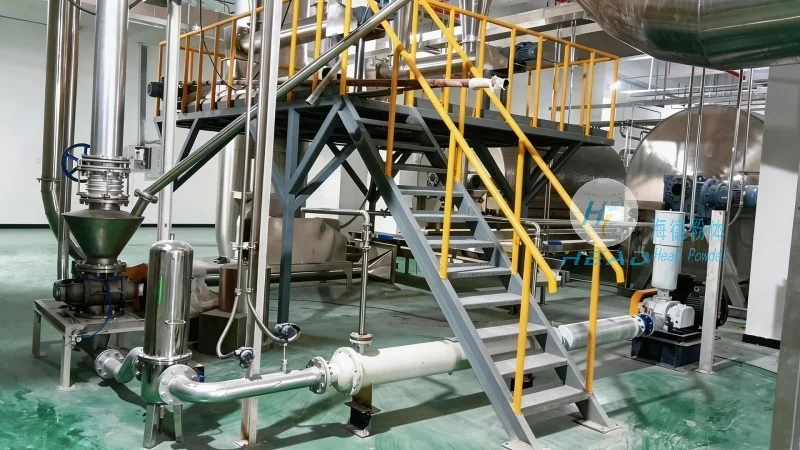
HeadPowder has implemented successful pneumatic conveying solutions for various glass powder applications across industries. For instance, in a glass manufacturing plant, a positive pressure system was designed to transport fine glass frit from storage silos to the melting furnace, covering a distance of over 100 meters. The system utilized a high-efficiency blower and a carefully engineered pipeline layout to maintain consistent flow rates and minimize material degradation. In another application, a negative pressure system was employed to handle recycled glass powder from a waste processing facility, ensuring dust-free material transfer and compliance with environmental standards. These case studies highlight the adaptability of pneumatic conveying systems to diverse glass powder handling needs and the importance of tailored engineering solutions.
Conclusion and Recommendations
Both positive and negative pressure pneumatic conveying systems offer viable solutions for transporting glass powder, with each mode suited to specific operational requirements. Positive pressure systems are generally more suitable for high-volume, long-distance transport, while negative pressure systems excel in applications requiring gentle handling and dust control. HeadPowder, with its expertise in engineering and material handling, provides comprehensive solutions that consider the unique characteristics of glass powder and the specific needs of industrial processes. By carefully evaluating the operational parameters and material properties, industries can select the most appropriate pneumatic conveying mode to optimize efficiency, reduce costs, and ensure reliable material transport. As a leading provider of engineering solutions, HeadPowder continues to advance the technology of pneumatic conveying for glass powder, contributing to the efficiency and sustainability of industrial material handling.