

Analysis of Tungsten Carbide Pneumatic Conveying Technology: Comparison of Positive and Negative Pre
Tungsten carbide is a critical material in various industrial applications, including manufacturing, mining, and construction. Efficient and reliable material handling is essential for optimizing production processes. Pneumatic conveying technology offers a solution for transporting tungsten carbide powders and granules, with two primary modes: positive pressure and negative pressure systems. This article provides a detailed analysis of these two modes, highlighting their operational principles, advantages, and practical applications.
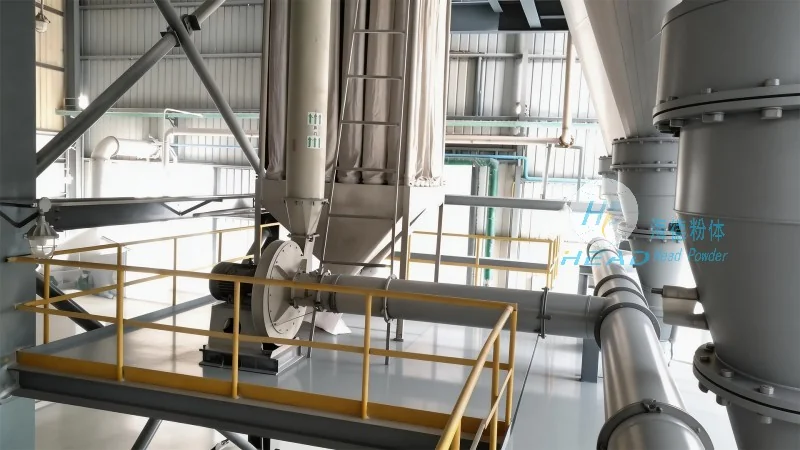
Understanding Positive Pressure Pneumatic Conveying
Positive pressure pneumatic conveying systems operate by blowing air or a gas mixture into the conveying line, creating a pressure higher than the ambient atmosphere. The material is fed into the system, typically via a hopper or feeder, and is carried by the moving air stream. This method is particularly effective for transporting bulk materials over moderate distances, often in industrial settings where high material flow rates are required. The positive pressure system ensures that the material is continuously pushed through the pipeline, reducing the risk of clogging and ensuring consistent delivery.
Key Advantages of Positive Pressure Conveying
One of the main benefits of positive pressure systems is their ability to handle a wide range of material types, including abrasive and fine powders like tungsten carbide. The high air velocity and pressure help maintain the material in suspension, preventing particle buildup and ensuring smooth transport. Additionally, positive pressure systems are suitable for long-distance conveying, as the pressure can be maintained throughout the pipeline, reducing the need for multiple booster units. This makes them ideal for large-scale production facilities where material transport efficiency is crucial.
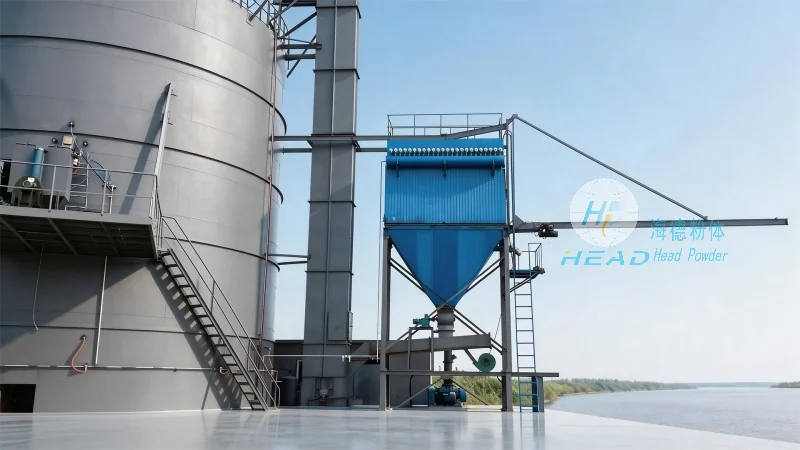
Operational Considerations for Positive Pressure Systems
While positive pressure conveying offers several advantages, it also has specific operational considerations. The system requires robust equipment, including high-pressure blowers and durable pipelines, to withstand the internal pressure. Maintenance is also important, as the components are subject to wear from abrasive materials. Proper filtration and cleaning procedures are necessary to prevent dust accumulation and maintain system efficiency. Furthermore, the energy consumption of positive pressure systems can be higher compared to negative pressure systems, especially for long-distance or high-volume applications.
Exploring Negative Pressure Pneumatic Conveying
Negative pressure pneumatic conveying, also known as vacuum conveying, operates by creating a vacuum in the conveying line, drawing material from the source into the system. The material is typically fed into a hopper or feeder, and the vacuum pulls the material through the pipeline. This method is commonly used for transporting fine powders and granules over shorter distances, often in applications where the material needs to be collected from multiple points or where the source is located at a higher elevation.
Advantages of Negative Pressure Conveying
One of the key advantages of negative pressure systems is their ability to handle fine and delicate materials without causing excessive particle breakage. The lower air velocity and pressure help maintain the integrity of the material, making it suitable for applications where the material's properties are critical. Additionally, negative pressure systems are generally quieter and require less space for equipment, as the vacuum pump and pipeline are often smaller compared to positive pressure systems. This makes them ideal for laboratory or small-scale industrial applications where noise and space constraints are concerns.
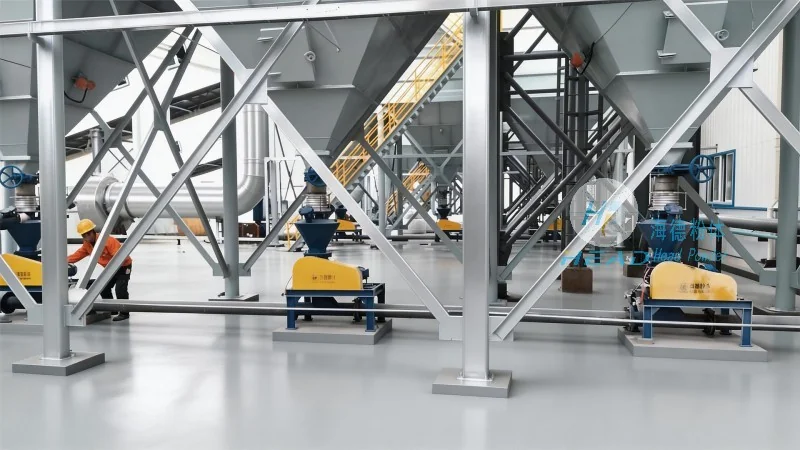
Challenges of Negative Pressure Conveying
Despite its advantages, negative pressure conveying has some limitations. The system is less effective for transporting abrasive or high-density materials, as the vacuum may not provide sufficient force to move the material through the pipeline. Additionally, the risk of clogging is higher in negative pressure systems, especially when handling fine powders, as the vacuum can cause particles to stick together or accumulate in the pipeline. Proper filtration and cleaning are essential to maintain system performance and prevent blockages. Furthermore, the energy consumption of negative pressure systems can be higher for long-distance or high-volume applications, as the vacuum pump needs to work harder to maintain the pressure differential.
Comparison of Positive and Negative Pressure Modes
When comparing positive and negative pressure pneumatic conveying systems, several factors should be considered. The choice between the two depends on the specific application requirements, including material type, distance, and production volume. Positive pressure systems are generally more suitable for high-volume, long-distance conveying of abrasive materials, while negative pressure systems are better for fine, delicate materials over shorter distances. The cost of equipment and maintenance also plays a role, as positive pressure systems require more robust components and higher energy consumption. However, negative pressure systems may have higher initial costs due to the need for vacuum pumps and specialized filtration.
Application Examples in Tungsten Carbide Processing
Both positive and negative pressure systems are used in the processing of tungsten carbide. For example, in a manufacturing facility producing tungsten carbide tools, a positive pressure system may be used to transport raw tungsten carbide powders from storage to the mixing and pressing stations. The high material flow rate and ability to handle abrasive materials make this system suitable for large-scale production. Conversely, a negative pressure system may be used to collect fine tungsten carbide dust from a grinding or polishing operation, ensuring safe and efficient material recovery. The choice of system depends on the specific processing step and the material characteristics at each stage.
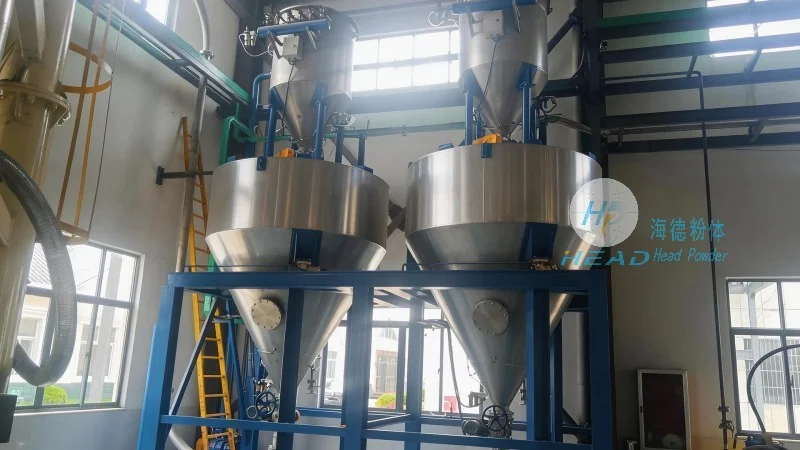
Role of Shandong HeadPowder Engineering Co., Ltd.
Shandong HeadPowder Engineering Co., Ltd., commonly known as headpowder, specializes in the design, manufacturing, and implementation of pneumatic conveying systems for various industrial applications. With a focus on tungsten carbide processing, the company provides customized solutions tailored to the specific needs of each client. By leveraging their expertise in both positive and negative pressure technologies, headpowder helps clients optimize their material handling processes, improve efficiency, and reduce operational costs. The company's team of engineers and technicians work closely with clients to assess their requirements, select the appropriate system, and ensure proper installation and maintenance. This collaborative approach ensures that the chosen pneumatic conveying system meets the client's production goals and operational standards.
Conclusion
In conclusion, pneumatic conveying technology offers effective solutions for transporting tungsten carbide materials, with positive and negative pressure modes providing distinct advantages and applications. Positive pressure systems are ideal for high-volume, long-distance conveying of abrasive materials, while negative pressure systems are better suited for fine, delicate materials over shorter distances. The choice between the two depends on the specific operational requirements and material characteristics. Companies like Shandong HeadPowder Engineering Co., Ltd. play a crucial role in providing customized solutions that enhance material handling efficiency and support industrial production processes. By understanding the operational principles and benefits of each mode, industries can select the most appropriate pneumatic conveying system to meet their needs and optimize their operations.