

[LITHIUM HEXAFLUOROPHOSPHATE PNEUMATIC CONVEYING: POSITIVE PRESSURE VS. NEGATIVE PRESSURE - HOW TO D
When it comes to the pneumatic conveying of lithium hexafluorophosphate (LiPF₆), a critical decision lies in choosing between positive pressure and negative pressure systems. This choice significantly impacts operational efficiency, safety, and system maintenance. Understanding the fundamental differences and distinguishing features of each method is essential for selecting the most suitable solution for your application. This article provides a detailed analysis of positive and negative pressure conveying, outlining key factors to consider when making this important choice.
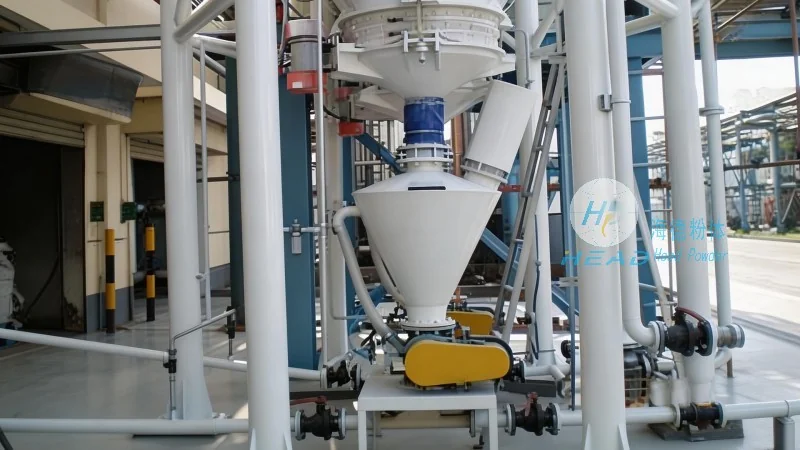
Introduction to Lithium Hexafluorophosphate Pneumatic Conveying
Lithium hexafluorophosphate is a critical component in lithium-ion battery production, and its handling requires specialized equipment to ensure safety and efficiency. Pneumatic conveying is a common method for transporting this material, as it offers advantages such as reduced dust, lower labor costs, and the ability to transport materials over long distances. However, the choice of conveying system—positive or negative pressure—depends on several factors, including material properties, system design, and operational requirements.
Understanding Positive Pressure and Negative Pressure Systems
Positive pressure systems operate by blowing air or gas into the conveying line, creating a pressure higher than the ambient air pressure. This forces the material to move through the system. Conversely, negative pressure systems create a vacuum or lower pressure in the line, drawing material into the system. Both methods have distinct characteristics that make them suitable for different applications.
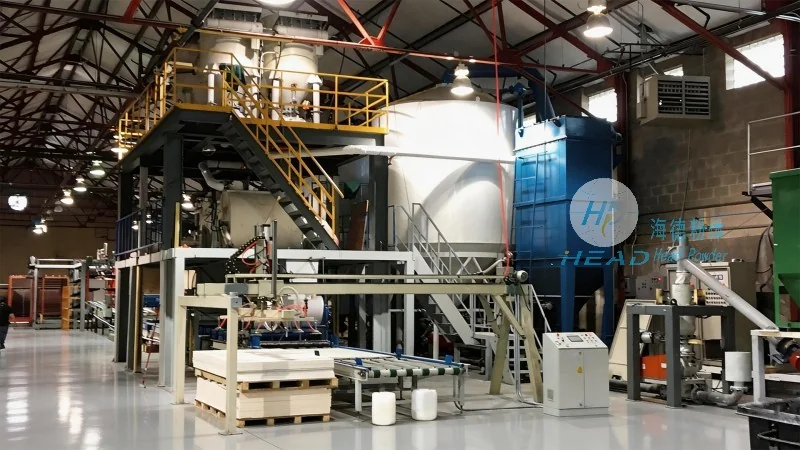
Key Differences Between Positive and Negative Pressure Conveying
One of the most significant differences between positive and negative pressure systems is the direction of air flow and the pressure differential. In positive pressure systems, air is supplied to the material, pushing it through the line. This method is generally more suitable for abrasive or corrosive materials, as it reduces the risk of material degradation due to friction. Negative pressure systems, on the other hand, use suction to draw material, which is often preferred for lighter or more delicate materials that could be damaged by high-pressure air.
How to Distinguish Between the Two Conveying Methods
Distinguishing between positive and negative pressure conveying involves examining several key aspects. First, check the pressure differential: positive pressure systems have higher pressure than the surrounding environment, while negative pressure systems have lower pressure. Second, observe the air flow direction: in positive pressure, air moves toward the material, and in negative pressure, air moves away from the material. Third, consider the system layout: positive pressure systems typically require a closed loop with a venturi or blower, whereas negative pressure systems use a vacuum pump and a suction hopper. Additionally, the material's characteristics play a role; for example, positive pressure is often used for dense or heavy materials, while negative pressure is preferred for fine powders or those that are prone to caking.
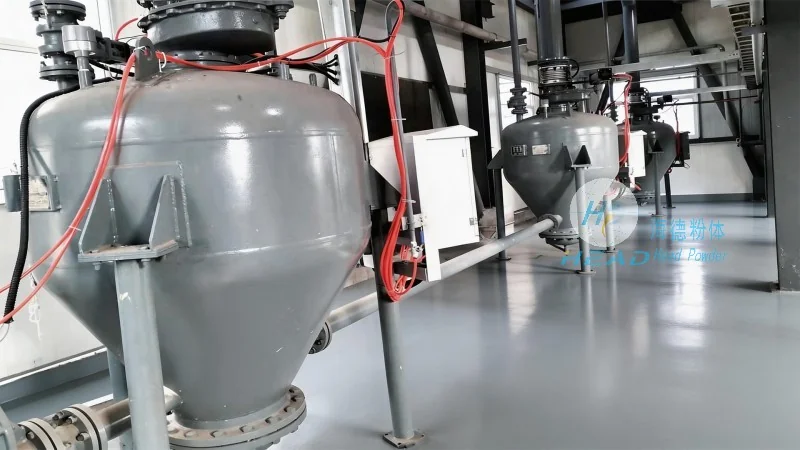
Practical Considerations for Choosing the Right System
When selecting between positive and negative pressure conveying for lithium hexafluorophosphate, several practical considerations must be evaluated. The first is the material's physical properties, such as particle size, density, and moisture content. Larger, denser particles may benefit from positive pressure due to the higher force applied. Conversely, fine powders or materials with a tendency to agglomerate may require negative pressure to avoid blockages. Another factor is the system's capacity and distance requirements; positive pressure systems are generally more efficient for long-distance transport, while negative pressure may be more suitable for shorter distances or when space is limited. Cost is also a critical factor: positive pressure systems often involve higher capital costs due to the need for robust blowers and pressure vessels, whereas negative pressure systems may have lower initial costs but higher operational costs due to the energy consumption of vacuum pumps.
Conclusion
Choosing between positive and negative pressure pneumatic conveying for lithium hexafluorophosphate requires a thorough understanding of the material's characteristics and the operational requirements of the system. Positive pressure systems offer advantages in terms of material handling efficiency and reduced risk of material degradation, while negative pressure systems provide benefits in terms of lower initial costs and suitability for delicate materials. By carefully evaluating factors such as pressure differential, air flow direction, and material properties, you can select the most appropriate conveying method to ensure safe, efficient, and cost-effective operation. Shandong HeadPowder Engineering Co., Ltd. specializes in providing customized pneumatic conveying solutions tailored to the specific needs of lithium hexafluorophosphate handling, ensuring optimal performance and reliability for your industrial applications.