

Choosing Between Positive Pressure and Negative Pressure for Phenolic Resin Powder Pneumatic Conveyi
When it comes to transporting phenolic resin powders, selecting the right pneumatic conveying system is crucial for efficiency, cost-effectiveness, and operational safety. Two primary methods dominate the industry: positive pressure and negative pressure systems. Understanding the differences and determining which approach best suits your application is essential for optimizing material handling processes. This article explores the key considerations for choosing between positive pressure and negative pressure for phenolic resin powder pneumatic conveying, along with practical guidelines to help you make an informed decision.
Positive Pressure Pneumatic Conveying Systems
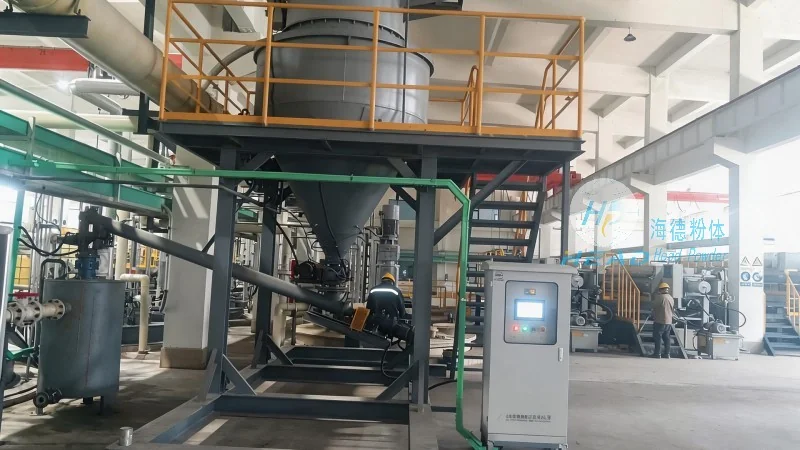
Positive pressure systems operate by blowing air or gas into the conveying line, creating a pressure higher than the ambient air pressure. This method is particularly effective for transporting powders over longer distances or through complex piping networks. For phenolic resin powders, positive pressure systems offer several advantages. They can handle a wide range of particle sizes and moisture contents, making them suitable for various industrial applications. Additionally, positive pressure systems are generally more reliable and less prone to blockages compared to negative pressure systems. The pressurized air helps maintain consistent flow rates and prevents material settling in the line. However, they may require more energy to operate and can be more expensive to install and maintain. The system typically includes a blower, a hopper, and a conveying line, with the air being introduced at the discharge end to push the material forward.
Negative Pressure Pneumatic Conveying Systems
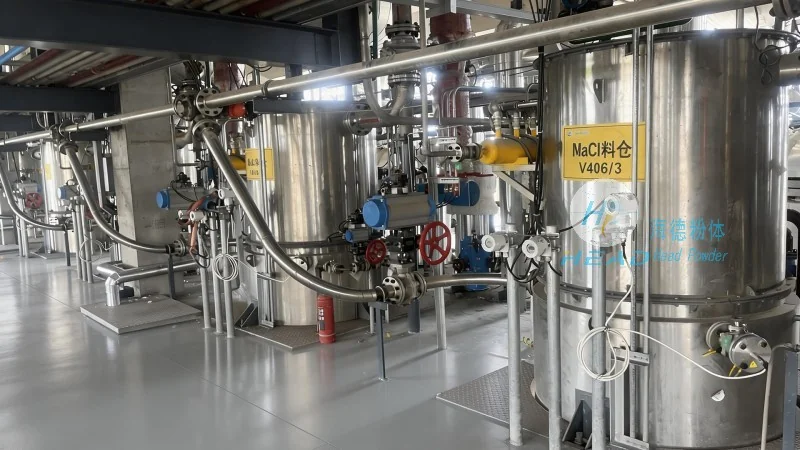
Negative pressure systems, also known as suction systems, work by creating a vacuum in the conveying line, drawing material from the source and pulling it through the system. This approach is ideal for applications where the material needs to be transported from a source to a collection point, often in a confined space or where the material is sensitive to pressure changes. For phenolic resin powders, negative pressure systems are commonly used in situations where the material is to be collected from a hopper or silo and transported to a processing unit. The vacuum created pulls the powder along the line, ensuring a smooth and controlled flow. Negative pressure systems are generally more energy-efficient for short distances and can be less expensive to install. However, they are more susceptible to blockages and may not handle high moisture or abrasive powders as effectively as positive pressure systems. The system typically includes a vacuum pump, a hopper, and a conveying line, with the air being drawn from the intake end to pull the material.
Distinguishing Between Positive and Negative Pressure Systems
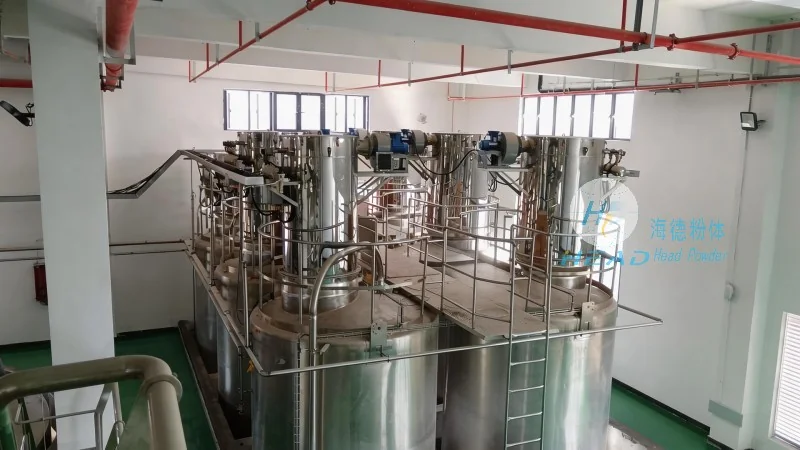
Identifying the right pneumatic conveying system for phenolic resin powders involves evaluating several key factors. First, consider the distance and layout of the conveying line. Positive pressure systems are better suited for longer distances or complex networks, while negative pressure systems are more appropriate for shorter distances and simpler setups. Second, assess the material properties, such as particle size, moisture content, and abrasiveness. Positive pressure systems excel with high-moisture or abrasive powders, whereas negative pressure systems may struggle with these characteristics. Third, evaluate the operational environment and safety requirements. Positive pressure systems may require additional safety measures to prevent pressure buildup, while negative pressure systems need to ensure adequate ventilation to avoid dust accumulation. Finally, consider the energy consumption and cost implications. Positive pressure systems typically consume more energy but offer greater reliability, while negative pressure systems are more energy-efficient but may require more frequent maintenance.
Key Considerations for Phenolic Resin Powder Handling
When selecting a pneumatic conveying system for phenolic resin powders, it is essential to consider the specific characteristics of the material. Phenolic resins are often used in applications such as adhesives, coatings, and composites, and their properties can vary significantly depending on the formulation. For example, some phenolic resins may be more hygroscopic, meaning they absorb moisture from the air, which can affect their flowability and handling. Others may be more abrasive, requiring more robust equipment to prevent wear and tear. Understanding these material properties is crucial for choosing the right system components, such as the hopper design, the type of blower or vacuum pump, and the material of the conveying line. Additionally, the system should be designed to minimize dust generation and ensure proper ventilation to maintain a safe working environment. Proper filtration and dust collection systems are often required to comply with environmental regulations and protect personnel from respiratory hazards.
Conclusion and Recommendations
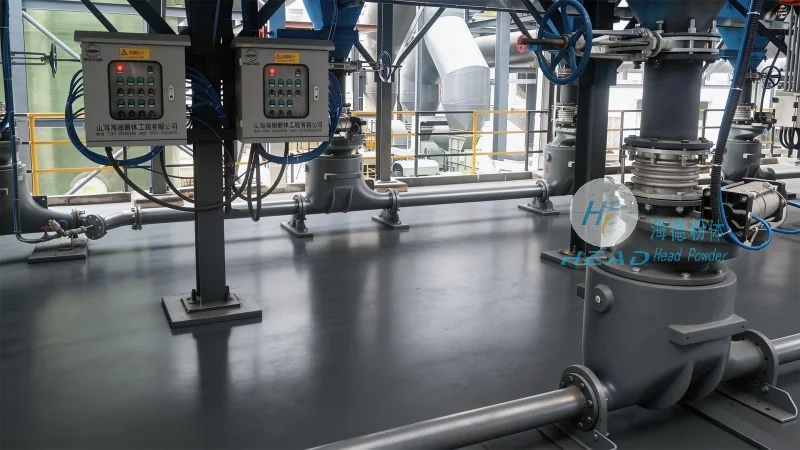
Choosing between positive pressure and negative pressure for phenolic resin powder pneumatic conveying depends on a combination of factors, including the distance, material properties, operational environment, and cost considerations. Positive pressure systems offer greater reliability and are better suited for handling abrasive or high-moisture powders, while negative pressure systems are more energy-efficient and ideal for shorter distances. To make the best decision, it is recommended to conduct a thorough analysis of your specific application requirements and consult with a qualified engineering firm. Shandong HeadPowder Engineering Co., Ltd., a leading provider of pneumatic conveying solutions, specializes in designing and manufacturing systems tailored to the unique needs of phenolic resin powder handling. With years of experience and a commitment to quality, HeadPowder offers customized solutions that optimize material flow, reduce downtime, and enhance overall operational efficiency. Whether you need a positive pressure or negative pressure system, HeadPowder's team of experts can help you select the right equipment and ensure smooth, reliable operation.