

Lithium-Ion Powder Pneumatic Conveying: Choosing Positive Pressure vs. Negative Pressure - How to Di
When handling lithium-ion powders, selecting the appropriate pneumatic conveying method is crucial for efficiency, safety, and material integrity. Two primary approaches dominate the industry: positive pressure and negative pressure systems. Understanding the distinctions between these two methods is essential for optimizing material transport in various industrial applications.
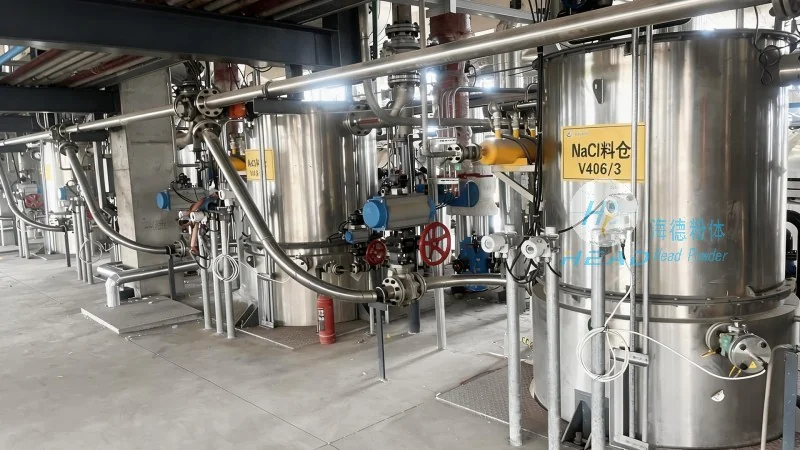
Understanding Positive Pressure Pneumatic Conveying
Positive pressure systems operate by blowing air or gas into the conveying line, propelling the material forward. This method is often preferred for applications requiring high material throughput and long-distance transport. The pressurized air creates a positive pressure environment, ensuring the material is continuously pushed through the system. For lithium-ion powders, which may be sensitive to moisture or contamination, positive pressure systems can be designed with sealed components to maintain a controlled environment. This helps prevent exposure to external contaminants and ensures the material remains in a stable state during transport.
Key Features of Positive Pressure Conveying
Positive pressure systems typically feature high-pressure blowers or compressors that generate the necessary force to move material. The conveying lines are usually made of materials resistant to the specific lithium-ion powder being handled, such as stainless steel or specialized plastics, to avoid chemical reactions or material degradation. The system design includes features like pulse-jet cleaning to maintain line integrity and prevent clogging, which is critical for powders with fine particles that can easily accumulate. Additionally, positive pressure systems can be equipped with filtration units to capture any fine particles that may escape, ensuring compliance with environmental and safety regulations.
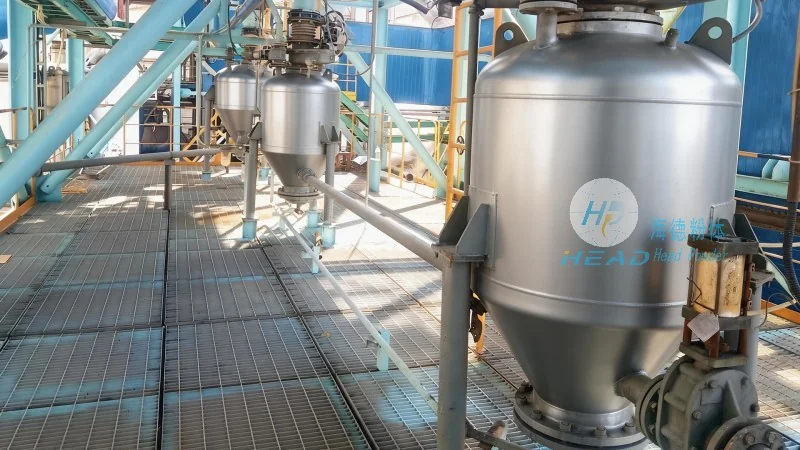
Understanding Negative Pressure Pneumatic Conveying
Negative pressure systems, also known as vacuum or suction systems, operate by creating a lower pressure inside the conveying line compared to the ambient environment. This pressure differential draws the material into the system, where it is then transported to the destination. Negative pressure is often used for shorter distances or when the material is to be collected from a source that is difficult to access. For lithium-ion powders, negative pressure systems can be advantageous when dealing with materials that are prone to dust or when the process requires a clean, enclosed environment.
Key Features of Negative Pressure Conveying
Negative pressure systems rely on vacuum pumps or fans to create the suction force needed for material transport. The system design includes inlet hoppers or collection points that are carefully engineered to minimize dust emissions. The conveying lines are often equipped with filters to capture any fine particles, preventing them from being released into the environment. Unlike positive pressure systems, negative pressure systems may require more careful maintenance to prevent clogging, as the suction can sometimes draw in debris or moisture from the surroundings. However, they are generally more energy-efficient for shorter distances and can be more cost-effective for specific applications.
Distinguishing Between Positive and Negative Pressure Systems
Choosing between positive and negative pressure pneumatic conveying for lithium-ion powders depends on several factors, including the material characteristics, transport distance, and operational requirements. Here are the key differences to consider:
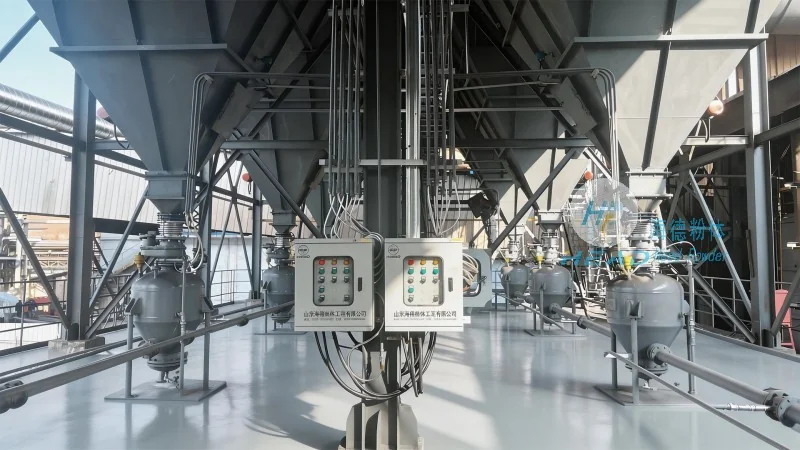
- Pressure Differentiation: Positive pressure systems use external pressure to push material, while negative pressure systems use suction to pull material.
- Material Handling: Positive pressure is better suited for abrasive or high-volume materials, whereas negative pressure is ideal for fine powders that require gentle handling.
- Distance and Throughput: Positive pressure systems are more effective for long-distance transport and high throughput, while negative pressure is suitable for shorter distances and lower volumes.
- Environmental Impact: Positive pressure systems may require more robust filtration to prevent dust emissions, whereas negative pressure systems are generally more enclosed and can reduce external contamination.
Factors to Consider When Selecting a System
When deciding between positive and negative pressure pneumatic conveying for lithium-ion powders, several factors should be evaluated. First, consider the material's physical properties, such as particle size, moisture content, and chemical reactivity. Lithium-ion powders often have fine particles that can be sensitive to moisture, making a sealed system like positive pressure more suitable. Second, assess the required transport distance and throughput. If the application involves long distances or high material volumes, a positive pressure system may be more efficient. Third, evaluate the operational environment and safety requirements. Negative pressure systems can be advantageous in cleanroom environments where dust control is critical. Finally, consider the cost and maintenance implications. Positive pressure systems may require more powerful equipment and regular maintenance, while negative pressure systems can be more energy-efficient for shorter runs.
Conclusion
Both positive and negative pressure pneumatic conveying systems offer viable solutions for transporting lithium-ion powders, each with its own advantages and limitations. The choice between the two depends on the specific application requirements, material characteristics, and operational constraints. By carefully evaluating these factors, industrial facilities can select the most appropriate system to ensure efficient, safe, and reliable material transport. For companies seeking expert guidance on selecting and implementing the right pneumatic conveying system, Shandong HeadPowder Engineering Co., Ltd. provides comprehensive solutions tailored to the unique needs of lithium-ion powder handling.