

Choosing Between Positive Pressure and Negative Pressure for Activated Carbon Particle Pneumatic Con
When it comes to transporting activated carbon particles via pneumatic conveying systems, the choice between positive pressure and negative pressure methods is a critical decision that impacts operational efficiency, system reliability, and overall cost-effectiveness. As a leading provider in the field, Shandong HeadPowder Engineering Co., Ltd., based in Shandong, China, specializes in designing and implementing customized solutions tailored to the unique requirements of each industrial application. This article aims to provide a comprehensive guide to understanding the differences between positive and negative pressure pneumatic conveying for activated carbon particles, helping you make an informed decision for your specific process needs.

Understanding Pneumatic Conveying Systems
Pneumatic conveying is a method of transporting bulk materials, such as activated carbon particles, through a pipeline using a gas stream. The system operates by creating a pressure differential between the conveying line and the surrounding environment. The two primary types of pneumatic conveying systems are positive pressure and negative pressure, each with distinct characteristics and applications.
Differentiating Positive Pressure and Negative Pressure Conveying
Positive pressure conveying systems operate by blowing air or other gases into the conveying line, creating a pressure higher than the ambient air pressure. This approach is often referred to as "blow-through" or "pressure-fed" conveying. In contrast, negative pressure conveying systems create a vacuum in the conveying line, drawing material from the source into the system by reducing the pressure below ambient levels. The choice between these two methods depends on several factors, including the material properties, system layout, and operational considerations.
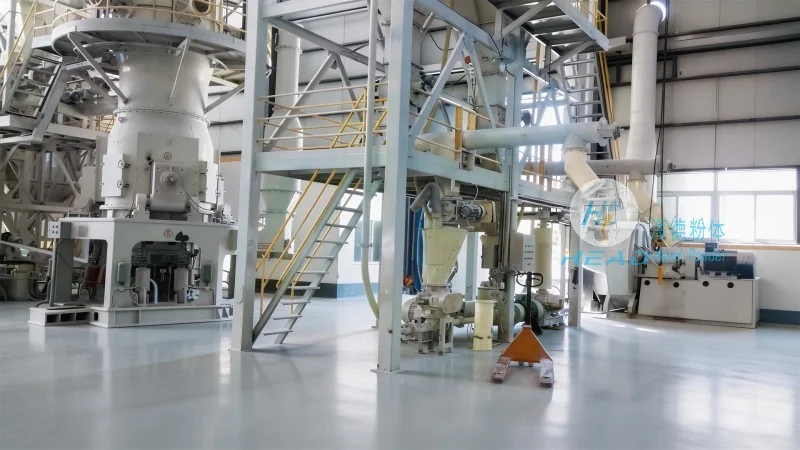
Key Characteristics of Positive Pressure Conveying
Positive pressure systems are generally more suitable for transporting materials that are prone to dust generation or have a tendency to degrade under vacuum conditions. The higher pressure in the system helps to maintain the integrity of the material and prevents clogging or blockages in the pipeline. Additionally, positive pressure systems are often preferred for applications where the conveying distance is long or the material needs to be conveyed over multiple stages. The system typically includes a blower or compressor at the discharge end, which supplies the necessary air or gas to push the material through the pipeline.
Key Characteristics of Negative Pressure Conveying
Negative pressure systems are commonly used for applications where the material is sensitive to pressure changes or where the system layout requires the material to be drawn from a source located at a higher elevation. The vacuum created in the system helps to pull the material into the pipeline, reducing the risk of dust emissions and minimizing the need for additional equipment at the source. However, negative pressure systems are generally less suitable for long-distance conveying or for materials that are prone to clogging due to the lower pressure environment.
Factors to Consider When Choosing Between Systems
When deciding between positive and negative pressure pneumatic conveying for activated carbon particles, several key factors should be evaluated. First, the material properties, such as particle size, density, and moisture content, play a significant role in determining the appropriate system type. For example, fine or powdery activated carbon particles may require a positive pressure system to prevent agglomeration and ensure smooth flow. Second, the system layout and the distance between the source and the destination are critical considerations. Positive pressure systems are often more efficient for long-distance conveying, while negative pressure systems may be more suitable for shorter distances or when the source is at a higher level. Third, operational safety and environmental considerations should also be taken into account. Positive pressure systems may require additional filtration and dust control measures to prevent air pollution, while negative pressure systems may need more robust vacuum pumps and seals to maintain the vacuum level.
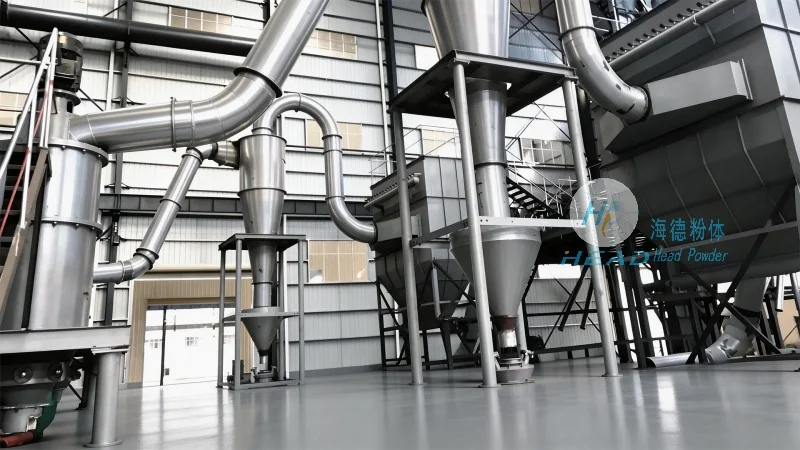
Application Examples in Activated Carbon Processing
In the activated carbon industry, both positive and negative pressure conveying systems are widely used for various applications. For instance, in the production of granular activated carbon, positive pressure systems are commonly employed to transport the raw material from storage silos to the processing equipment. The high pressure ensures that the material flows smoothly through the pipeline, reducing the risk of blockages and improving overall system efficiency. On the other hand, negative pressure systems may be used in applications where the activated carbon needs to be transferred from a processing unit to a storage area, especially when the storage is located at a higher elevation. The vacuum created in the system helps to draw the material into the pipeline without the need for additional equipment at the source.
Conclusion and Recommendations
Choosing between positive pressure and negative pressure pneumatic conveying for activated carbon particles requires a thorough evaluation of the material properties, system layout, and operational requirements. Shandong HeadPowder Engineering Co., Ltd. offers expert consultation and customized solutions to help you determine the most suitable system for your specific needs. By understanding the key characteristics and factors influencing each system type, you can make an informed decision that optimizes operational efficiency, reduces maintenance costs, and ensures the reliable transport of activated carbon particles. Whether you opt for a positive pressure or negative pressure system, the goal is to achieve a seamless and efficient conveying process that meets the demands of your industrial application.