

Choosing Between Positive Pressure and Negative Pressure for Textile Fiber Pneumatic Conveying: How
When it comes to transporting textile fibers, the choice between positive pressure and negative pressure pneumatic conveying systems is a critical decision for manufacturers. Both methods offer unique advantages and are suited to different operational requirements. Understanding the distinctions between these two approaches is essential for optimizing material handling efficiency and maintaining product quality.
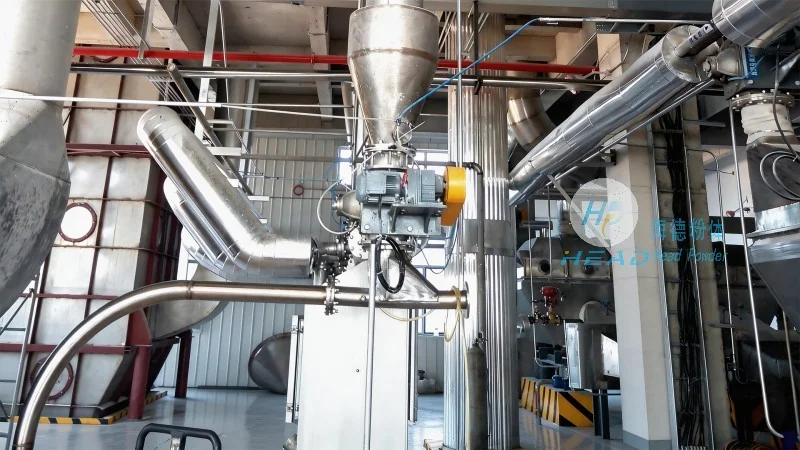
Understanding Positive Pressure Pneumatic Conveying
Positive pressure systems operate by blowing air or a carrier gas into the conveying line, creating a pressure higher than the ambient environment. This method is particularly effective for conveying materials over long distances or through complex network layouts. The high pressure ensures consistent material flow and can handle a wide range of fiber types, including fine powders and irregularly shaped particles. For textile manufacturers dealing with bulk fiber transport, positive pressure systems often provide reliable performance, minimizing the risk of blockages and ensuring smooth operation.
Key Features of Positive Pressure Conveying
One of the primary benefits of positive pressure systems is their ability to handle abrasive or sticky fibers without causing excessive wear on the equipment. The pressurized air helps to maintain a consistent flow rate, reducing the likelihood of material buildup in the pipeline. Additionally, these systems can be integrated with multiple collection points, allowing for flexible material distribution across a production facility. The robust design of positive pressure equipment also makes it suitable for high-volume applications, where continuous operation is essential.
Exploring Negative Pressure Pneumatic Conveying
Negative pressure systems, on the other hand, work by creating a vacuum in the conveying line, drawing material from the source into the system. This approach is ideal for applications where the material needs to be transported from a single point to a central collection area, such as in dust collection or material recovery processes. The vacuum effect ensures that the material is drawn efficiently without the need for high-pressure air, which can be more energy-efficient for certain operations.
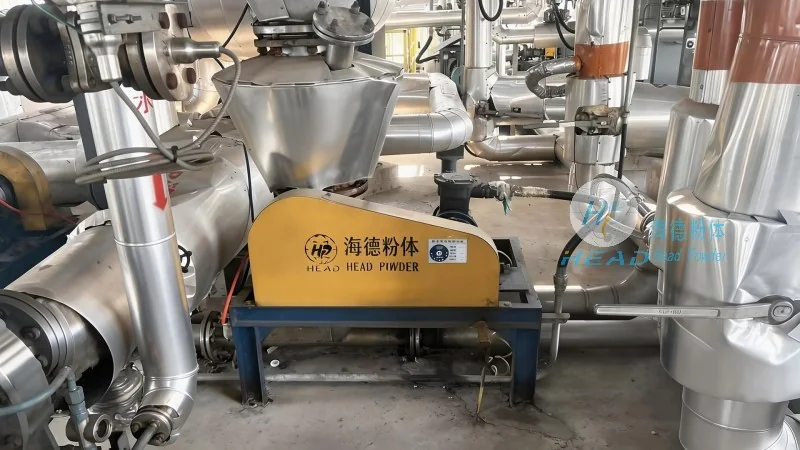
Advantages of Negative Pressure Conveying
For textile manufacturers, negative pressure systems offer advantages in terms of energy consumption and noise reduction. By operating under vacuum conditions, these systems require less power to move materials, which can lead to lower operational costs over time. Additionally, the reduced air velocity in the pipeline can minimize fiber degradation, preserving the quality of the material during transport. This makes negative pressure suitable for delicate or sensitive fibers that require gentle handling.
Distinguishing Between Positive and Negative Pressure Systems
So, how can you tell which system is right for your textile fiber handling needs? The key factors to consider include the distance and layout of the conveying network, the type and properties of the fibers being transported, and the required material flow rate. For long-distance or complex layouts, positive pressure is often preferred due to its ability to maintain consistent pressure and flow. Conversely, for short-distance or centralized collection applications, negative pressure may offer a more efficient solution.
Material Properties and System Selection
The physical characteristics of the textile fibers play a significant role in system selection. Fine, lightweight fibers may be more susceptible to air currents and require a more controlled environment, which negative pressure systems can provide. In contrast, coarse or heavy fibers may benefit from the higher pressure and flow rates of positive pressure systems, ensuring reliable transport without clogging. Additionally, the presence of moisture or other contaminants can affect the choice, as positive pressure systems may be better equipped to handle wet materials without compromising performance.
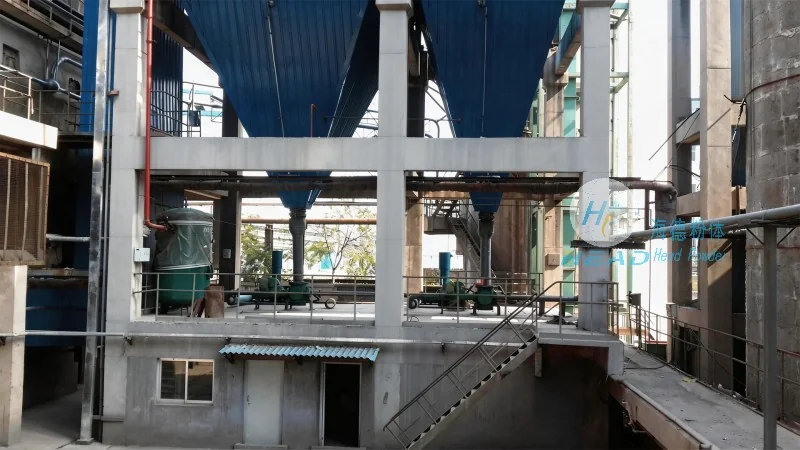
Operational Considerations and Maintenance
Another critical aspect to consider is the operational and maintenance requirements of each system. Positive pressure systems typically require more robust components, such as high-pressure blowers and durable pipelines, which may increase initial investment costs. However, their reliability and low maintenance needs can offset these expenses over time. Negative pressure systems, while often more energy-efficient, may require more frequent filter changes and maintenance to prevent dust accumulation and system blockages. Textile manufacturers should evaluate their long-term operational costs and maintenance capabilities when deciding between the two.
Case Study: Application in Textile Manufacturing
Consider a textile mill that processes cotton fibers and needs to transport them from the baling area to the spinning department. A positive pressure system might be chosen to convey the fibers over a distance of several hundred meters through a network of pipes, ensuring consistent flow and minimal downtime. Conversely, a negative pressure system could be used to collect fine fibers from a dust collection system and return them to the production line, where the vacuum helps to capture even the smallest particles without damaging the material.
Conclusion: Making the Right Choice for Your Textile Fiber Handling
Ultimately, the decision between positive pressure and negative pressure pneumatic conveying for textile fibers depends on a combination of operational needs, material characteristics, and cost considerations. By carefully evaluating the distance, layout, and properties of the fibers, manufacturers can select the most suitable system to optimize their material handling processes. Whether you opt for the robust performance of positive pressure or the energy-efficient operation of negative pressure, understanding the distinctions between these two approaches is key to achieving efficient and reliable textile fiber transport.