

Operation Process and Working Principle of PUR Pneumatic Conveying
PUR (Polyurethane Resin) pneumatic conveying systems are widely used in industrial applications for the efficient transport of powders and granules. These systems utilize air or other gases to move materials from one location to another, offering advantages such as reduced labor costs, improved safety, and enhanced process control. The operation process and working principle of these systems are critical for understanding their effectiveness and proper maintenance. Shandong HeadPowder Engineering Co., Ltd., a leading manufacturer of pneumatic conveying systems, specializes in providing high-quality PUR pneumatic conveying solutions for various industrial applications.

Key Components of a PUR Pneumatic Conveying System
Before delving into the operation process, it's essential to understand the primary components that make up a typical PUR pneumatic conveying system. These components include the material hopper, feeder, conveying line, air compressor, and receiver. Each component plays a vital role in the overall functionality of the system. The material hopper is where the PUR powder or granules are stored before being fed into the system, designed to hold a sufficient quantity of material to ensure continuous operation. The feeder, often a rotary valve or a screw feeder, regulates the flow of material from the hopper into the conveying line. The conveying line, typically made of metal or plastic, is where the material is transported under pressure. The air compressor generates the necessary air pressure to move the material through the line. Finally, the receiver collects the material at the destination point.
The Working Principle of PUR Pneumatic Conveying
The working principle of a PUR pneumatic conveying system is based on the principle of fluidization and drag. When air is introduced into the conveying line at a high velocity, it creates a low-pressure zone that pulls the material particles into the air stream, enabling pneumatic transport. This process allows the material to be moved over long distances without the need for mechanical conveyors. The air pressure and velocity are carefully controlled to ensure efficient and reliable transport of the PUR material.
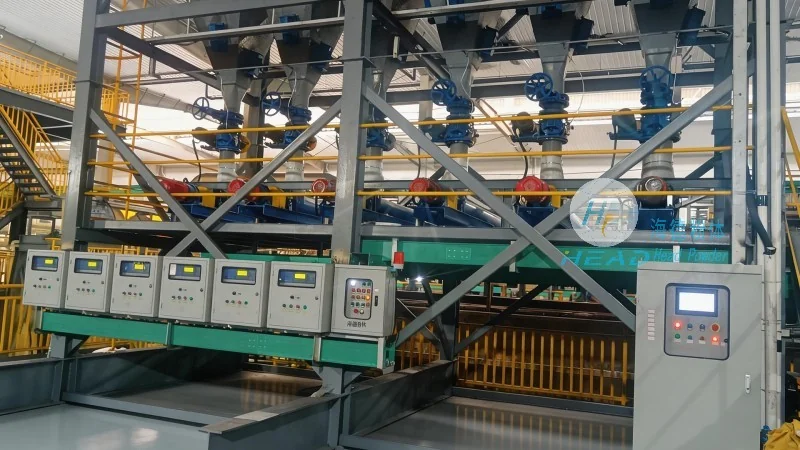
During operation, the feeder releases the PUR material into the conveying line. The air compressor then supplies compressed air, which creates a flow that carries the material particles. The material is carried through the line by the air stream, and upon reaching the receiver, the air is released, allowing the material to settle and be collected. The system operates continuously as long as the material hopper is filled and the air compressor is running.
Operation Process of a PUR Pneumatic Conveying System
The operation process of a PUR pneumatic conveying system involves several steps that ensure smooth and efficient material transport. The first step is to fill the material hopper with the PUR powder or granules, typically done manually or via an automated feeding system. Once the hopper is filled, the feeder is activated to regulate the flow of material into the conveying line. Next, the air compressor is started, and the compressed air is directed into the conveying line. The air pressure is adjusted to the appropriate level based on the material characteristics and the distance to be covered. As the air flows through the line, it picks up the material particles from the feeder and transports them to the receiver. The receiver is positioned at the destination point, designed to collect the material and allow the air to escape.
During the operation, the system's performance is monitored to ensure that the material is being transported efficiently. Parameters such as air pressure, flow rate, and material flow rate are checked regularly to maintain optimal operation. Any issues, such as blockages or air leaks, are addressed promptly to prevent system downtime.

Benefits and Applications of PUR Pneumatic Conveying
PUR pneumatic conveying systems offer several benefits that make them a preferred choice in many industrial applications. These benefits include reduced labor costs, as the system automates the material transport process. Improved safety is another advantage, as the system eliminates the need for manual handling of powders, which can be hazardous. Additionally, the system provides enhanced process control, allowing for precise control over the material flow rate and pressure.
These systems are widely used in various industries, including food processing, pharmaceuticals, chemicals, and plastics. In the food industry, PUR pneumatic conveying is used to transport ingredients such as flour, sugar, and spices. In the pharmaceutical industry, it is used to transport active pharmaceutical ingredients (APIs) and other powders. In the chemical industry, it is used to transport chemicals and pigments. In the plastics industry, it is used to transport polyurethane resins and other granules.