

Operation Process and Working Principle of Bulk Bag Unloading Station with Pneumatic Conveying
Efficient material handling is a critical aspect of modern industrial operations, and the bulk bag unloading station with pneumatic conveying system has emerged as a highly effective solution for managing large volumes of powders and granules. This technology combines the advantages of bulk bag handling with the precision and flexibility of pneumatic transport, offering a reliable method for transferring materials from storage to processing equipment. The system is designed to streamline the unloading process, reduce labor costs, and enhance safety in industrial settings.
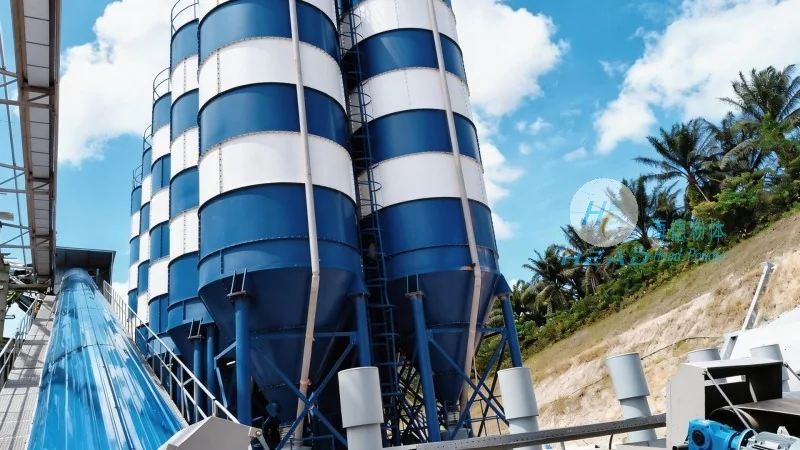
HeadPowder, a leading manufacturer in the field, specializes in providing advanced bulk bag unloading stations equipped with pneumatic conveying capabilities. With a strong presence in Shandong, China, the company has built a reputation for delivering high-quality, durable, and efficient solutions tailored to the specific needs of various industries, including food, pharmaceuticals, chemicals, and more. The company's commitment to innovation and customer satisfaction has positioned it as a trusted partner for businesses seeking to optimize their material handling processes.
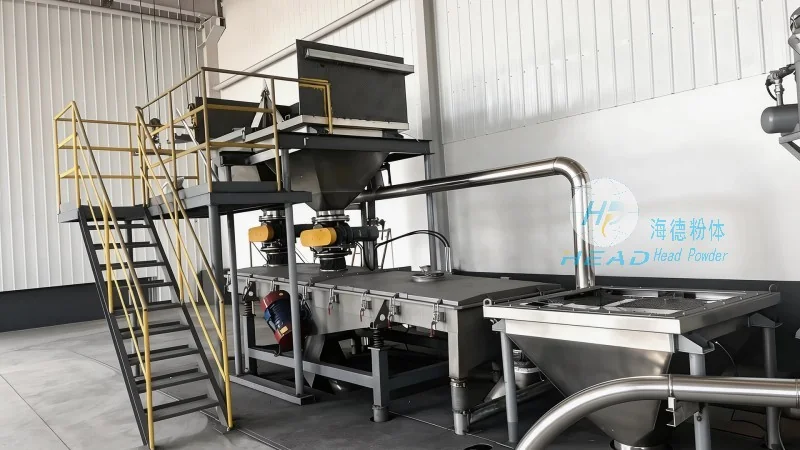
Key Components of the Bulk Bag Unloading Station with Pneumatic Conveying
The bulk bag unloading station with pneumatic conveying typically consists of several key components that work in tandem to ensure smooth operation. These include the bulk bag discharger, which is responsible for opening and emptying the bag, the pneumatic conveying system, which transports the material from the bag to the processing equipment, and the dust collection system, which ensures a clean and safe working environment. Each component is carefully engineered to meet the demands of high-volume material handling, providing reliability and durability over extended periods of operation.
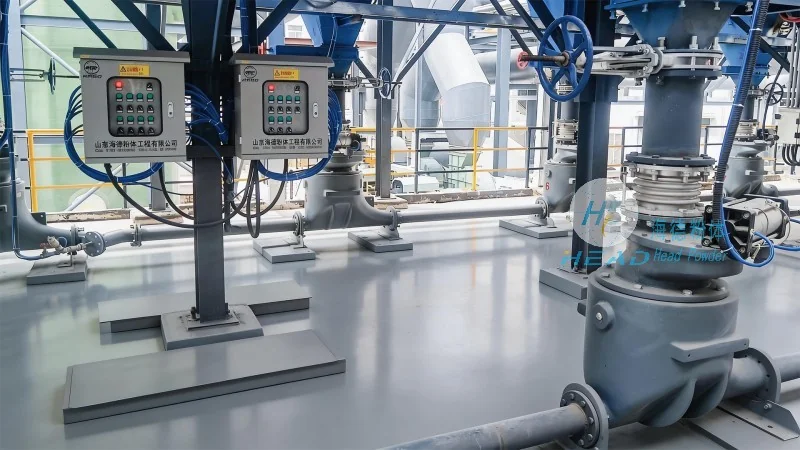
Operation Process of the Bulk Bag Unloading Station
The operation of the bulk bag unloading station with pneumatic conveying follows a systematic process that ensures efficient material transfer. The process begins with the placement of the bulk bag onto the discharger frame. The discharger then opens the bag, allowing the material to flow into the hopper. Simultaneously, the pneumatic conveying system is activated, creating a pressure differential that draws the material from the hopper into the transport line. The material is then transported to the processing equipment, such as a mixer or a reactor, where it is further processed. The system is designed to handle a wide range of materials, from fine powders to coarse granules, with minimal downtime and maximum efficiency.
Working Principle of the Pneumatic Conveying System
The pneumatic conveying system operates on the principle of using air to transport materials through a pipeline. The system consists of a blower or a fan that generates the necessary air pressure, a hopper where the material is collected, and a transport line that carries the material to the destination. The material is suspended in the air stream and transported through the pipeline, where it is deposited at the processing equipment. The system can be either positive pressure or negative pressure, depending on the application and the material being handled. Positive pressure systems use compressed air to push the material, while negative pressure systems use vacuum to pull the material. Both systems are effective, but the choice depends on the specific requirements of the operation.
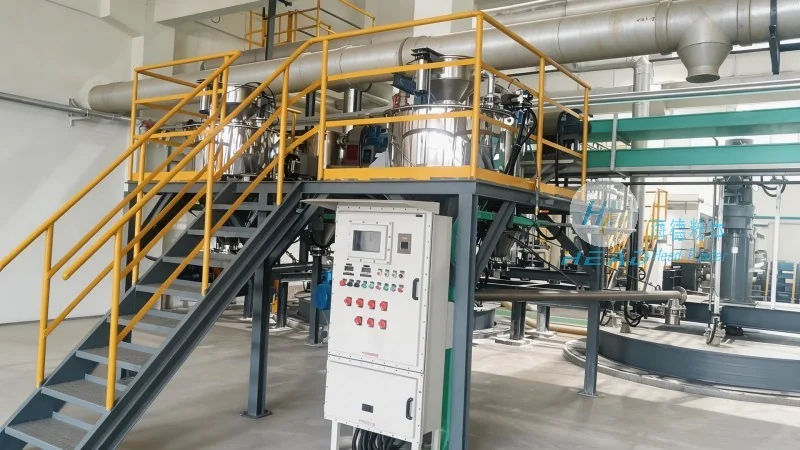
Advantages of the Bulk Bag Unloading Station with Pneumatic Conveying
Implementing a bulk bag unloading station with pneumatic conveying offers numerous advantages for industrial operations. One of the primary benefits is the significant reduction in labor costs, as the system automates the unloading process, eliminating the need for manual handling. Additionally, the system enhances safety by minimizing the exposure of workers to dust and other hazardous materials. The system also improves efficiency by reducing downtime and increasing the throughput of materials. Furthermore, the system is highly flexible, allowing for easy integration with existing processing equipment and the ability to handle a wide range of materials. The durability of the components ensures long-term operation with minimal maintenance, making it a cost-effective solution for businesses.