

The Operation Process and Working Principle of Lead Powder Pneumatic Conveying
Lead powder pneumatic conveying is a critical industrial process used for the efficient and safe transportation of lead powder from one location to another. This method relies on the use of air or other gases to move the material through a pipeline system. Understanding the operation process and working principle is essential for optimizing performance and ensuring operational safety.
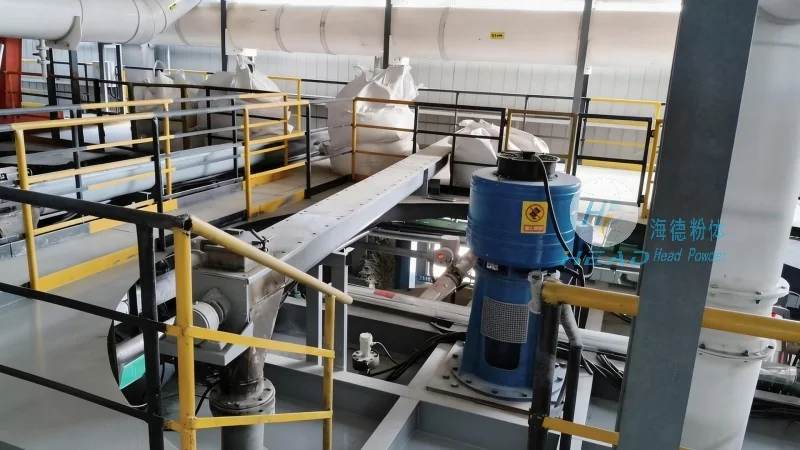
Introduction to Lead Powder Pneumatic Conveying
Shandong HeadPowder Engineering Co., Ltd., a leading provider in the field, specializes in the design, manufacturing, and implementation of advanced pneumatic conveying systems tailored for lead powder applications. With a focus on precision and reliability, their systems are engineered to meet the unique challenges associated with handling lead powder, ensuring minimal material loss and consistent flow rates.
The Core Components of a Pneumatic Conveying System
A typical lead powder pneumatic conveying system consists of several key components that work in tandem to facilitate material transport. These include the material hopper, which stores the lead powder; the conveyor line, which is the main pipeline through which the material travels; the air compressor or blower, which generates the necessary air pressure; and the control valves and regulators that manage the flow of air and material. Each component plays a vital role in maintaining the efficiency and stability of the conveying process.
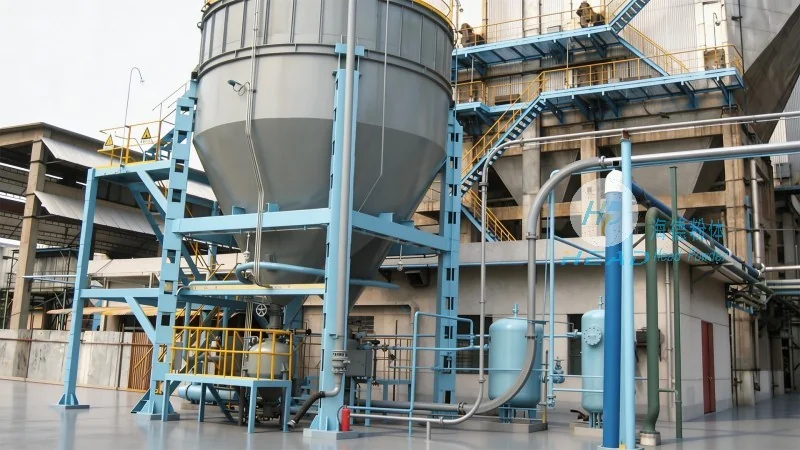
Operation Process: Step-by-Step Overview
The operation of a lead powder pneumatic conveying system involves a series of coordinated steps. Initially, the lead powder is fed from the storage hopper into the conveyor line. Simultaneously, the air compressor supplies compressed air into the system. The air and powder are then mixed within the pipeline, creating a slurry-like mixture that is propelled forward by the air pressure. As the mixture travels through the pipeline, it passes through various sections, including bends and transitions, which are designed to minimize pressure loss and maintain consistent flow. The system is equipped with pressure sensors and flow meters to monitor the process in real-time, allowing for adjustments to be made as needed to optimize performance.
Working Principle: The Physics Behind Pneumatic Conveying
The working principle of lead powder pneumatic conveying is based on the fundamental principles of fluid dynamics and particle transport. When air is introduced into the conveyor line at a sufficient velocity, it creates a low-pressure zone that draws the lead powder particles into the flow. The air acts as a carrier, lifting and transporting the powder through the pipeline. The key to effective conveying is achieving a balance between the air velocity and the particle size and density of the lead powder. If the air velocity is too low, the powder may settle and cause blockages; if it is too high, excessive pressure drop can lead to energy inefficiency and potential equipment damage.
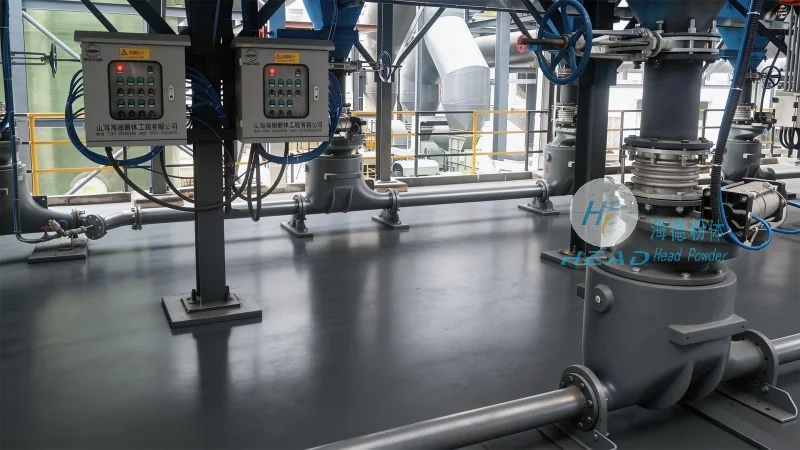
Advantages of Lead Powder Pneumatic Conveying
Compared to traditional mechanical conveying methods, lead powder pneumatic conveying offers several advantages. It eliminates the need for moving parts in the conveying line, reducing maintenance requirements and the risk of material contamination. The system is also highly flexible, allowing for the transportation of lead powder over long distances and through complex layouts without the need for multiple transfer points. Additionally, the enclosed pipeline system prevents dust emissions, enhancing workplace safety and compliance with environmental regulations.
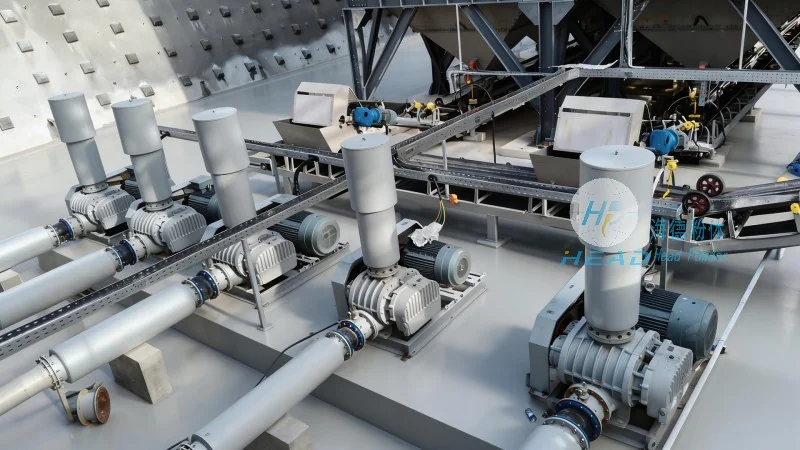
Application Considerations and Best Practices
When implementing a lead powder pneumatic conveying system, several factors must be considered to ensure optimal performance. The particle size distribution of the lead powder is a critical factor, as finer particles require higher air velocities to maintain suspension. The system design must also account for the specific properties of lead powder, such as its density and moisture content, to prevent agglomeration or caking within the pipeline. Regular maintenance, including cleaning of the conveyor line and inspection of air filters, is essential to prevent blockages and maintain consistent flow rates. Shandong HeadPowder Engineering Co., Ltd. provides comprehensive support, including system design, installation, and ongoing maintenance services, to ensure that their clients achieve the best possible results from their pneumatic conveying systems.
Conclusion
Lead powder pneumatic conveying is a sophisticated and efficient method for transporting lead powder, offering significant advantages over traditional methods. By understanding the operation process and working principle, as well as implementing best practices, industrial facilities can enhance their productivity, reduce operational costs, and ensure the safety of their workforce. Shandong HeadPowder Engineering Co., Ltd. remains at the forefront of this technology, providing innovative solutions that meet the evolving needs of the lead powder industry.