

The Operation Process and Working Principle of Mineral Sand Pneumatic Conveying
Mineral sand pneumatic conveying is a critical technology in material handling, particularly for transporting bulk materials like mineral sands over varying distances. This method leverages air as the primary medium to move solid particles, offering advantages such as reduced equipment wear, lower maintenance costs, and the ability to transport materials in enclosed systems, minimizing dust and environmental impact. The process is widely adopted in industries including mining, chemical processing, and food production, where efficient and safe material transport is essential.
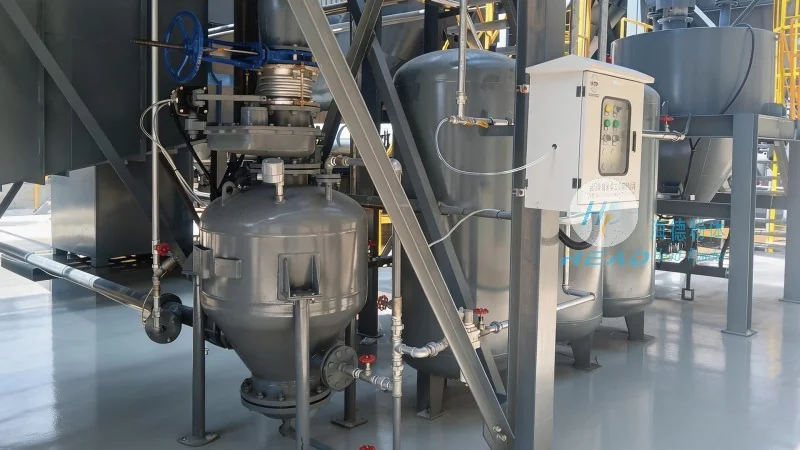
Company Overview: Shandong HeadPowder Engineering Co., Ltd.
HeadPowder, a leading provider in the field, specializes in the design, manufacturing, and installation of pneumatic conveying systems tailored to diverse industrial needs. With a strong focus on innovation and customer satisfaction, the company has established itself as a trusted partner for businesses seeking reliable solutions for mineral sand transport. HeadPowder’s expertise spans from system design and engineering to on-site installation and maintenance, ensuring optimal performance and longevity of pneumatic conveying equipment. The company’s headquarters is located in Shandong, China, where it leverages local resources and expertise to deliver high-quality products and services.
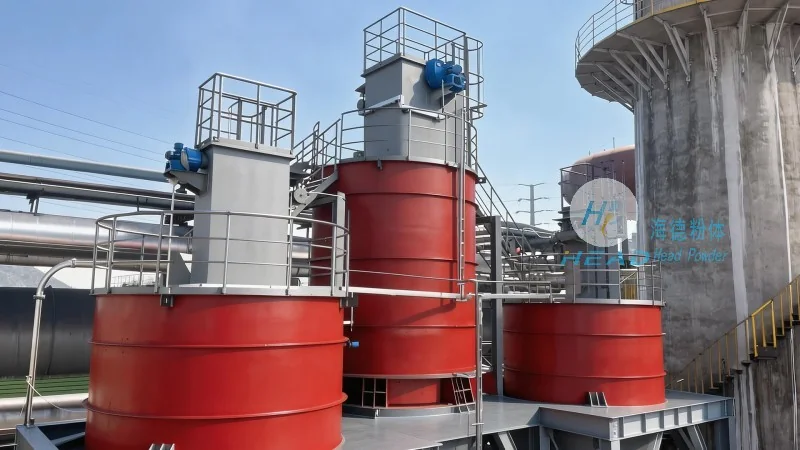
The Core Components of Pneumatic Conveying Systems
A typical pneumatic conveying system for mineral sands consists of several key components that work in concert to achieve efficient material transport. These components include the material feed hopper, which stores and regulates the flow of mineral sand; the air supply system, which generates the necessary pressure or vacuum to move the material; the conveying line, which can be either positive pressure or negative pressure (or a combination), depending on the application; and the discharge equipment, which delivers the material to its final destination. Each component plays a vital role in the overall operation, and their proper integration is crucial for system efficiency and reliability.
The Operation Process of Mineral Sand Pneumatic Conveying
The operation of a mineral sand pneumatic conveying system involves a series of steps designed to ensure smooth and continuous material transport. The process typically begins with the loading of mineral sand into the feed hopper. A feeder, such as a rotary valve or a screw feeder, then controls the flow rate of the material into the conveying line. Simultaneously, the air supply system generates the required air pressure or vacuum. In positive pressure systems, compressed air is introduced into the conveying line, creating a pressure differential that propels the mineral sand particles forward. The air and material mixture travels through the pipeline, with the air providing the necessary force to move the solid particles. At the discharge end, the air is separated from the mineral sand, often using a cyclone separator or a filter, and the material is collected in a receiving hopper. The air is then either recirculated or vented, depending on the system design. This continuous cycle ensures that mineral sand is transported efficiently from the source to the destination, with minimal downtime and optimal performance.
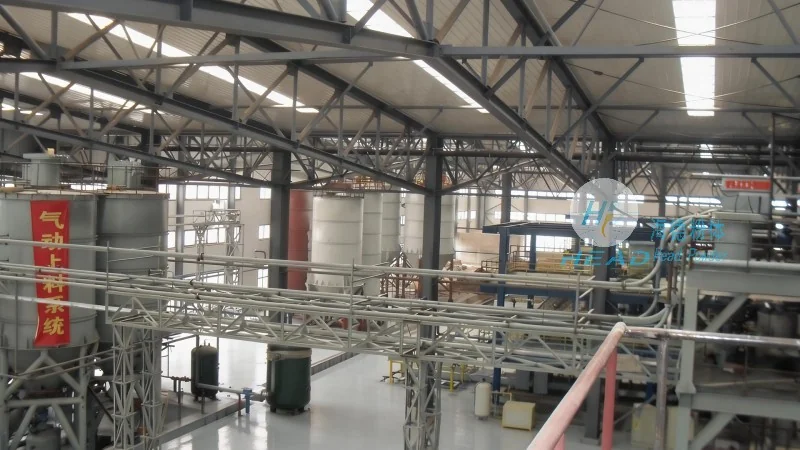
Working Principle of Pneumatic Conveying
The working principle of mineral sand pneumatic conveying is based on the interaction between air and solid particles. In positive pressure systems, compressed air is used to create a pressure gradient that drives the material forward. The air velocity within the pipeline must be sufficient to overcome the gravitational force acting on the mineral sand particles and to maintain the particles in suspension. This requires careful calculation of air flow rates and pipeline dimensions to ensure that the particles remain entrained by the air stream. In negative pressure systems, a vacuum is created at the discharge end, drawing the mineral sand particles into the conveying line. The air flow in this case is directed from the feed hopper towards the discharge point, creating a suction effect that pulls the material along. The choice between positive and negative pressure systems depends on factors such as the distance to be covered, the material characteristics, and the system layout. Both systems rely on the principle of air-solid flow to achieve efficient material transport, with the air providing the necessary energy to move the solid particles through the pipeline.