

Operation Process and Working Principle of Gypsum Fly Ash Pneumatic Conveying
Gypsum fly ash, a byproduct commonly found in industrial processes, requires efficient and reliable handling methods for transportation and distribution. Pneumatic conveying systems have emerged as a preferred solution for such applications, offering advantages like low maintenance, reduced dust generation, and the ability to handle a wide range of materials. This article delves into the operation process and working principle of gypsum fly ash pneumatic conveying, highlighting key components, operational steps, and the technological advancements that enhance system performance.
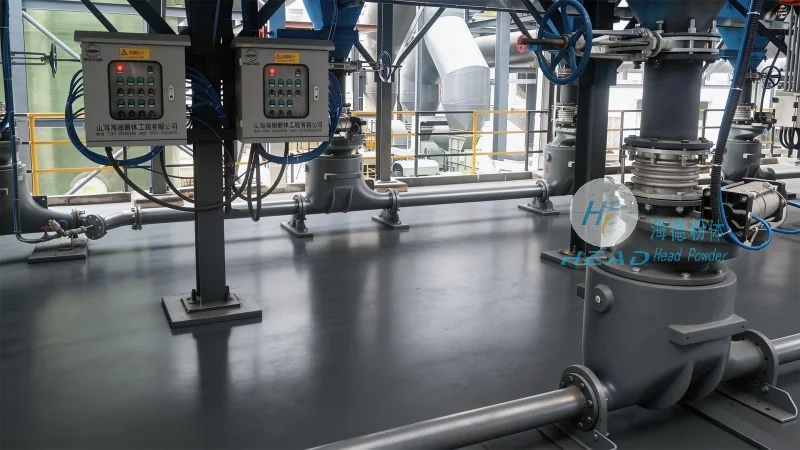
Key Components of Pneumatic Conveying Systems for Gypsum Fly Ash
The effectiveness of a pneumatic conveying system for gypsum fly ash is largely determined by its integrated components. These typically include a hopper or feeder to store and feed the material, a conveyor line (either positive or negative pressure), a dust collector to capture and filter airborne particles, and a control system to regulate the flow and pressure. Each component plays a critical role in ensuring the smooth and safe operation of the system. For instance, the feeder ensures a consistent material flow, while the conveyor line transports the gypsum fly ash from the source to the destination. The dust collector is essential for maintaining air quality and preventing environmental contamination, which is particularly important given the nature of gypsum fly ash as a fine particulate material.
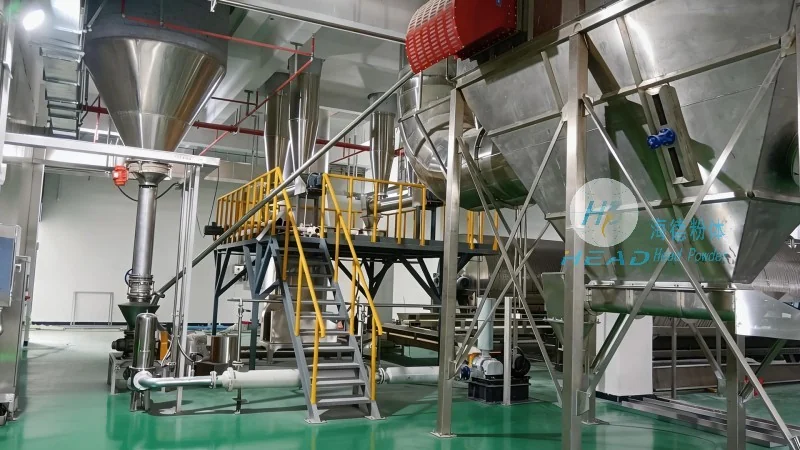
Operation Process of Gypsum Fly Ash Pneumatic Conveying
The operation process of a gypsum fly ash pneumatic conveying system involves several sequential steps that ensure the material is transported efficiently and safely. Initially, the gypsum fly ash is stored in a hopper or silo. From there, the material is fed into the conveyor line using a rotary valve or screw feeder, which controls the flow rate. The conveyor line, under either positive or negative pressure, moves the material through the system. Positive pressure systems use a blower or compressor to push the material forward, while negative pressure systems use a vacuum to pull the material. As the material travels through the line, it is mixed with air, creating a slurry-like mixture that facilitates transportation. The system then delivers the material to the destination, such as a storage silo or processing unit. Throughout the process, the control system monitors parameters like pressure, flow rate, and temperature to ensure optimal performance and prevent system failures.
Working Principle of Pneumatic Conveying for Gypsum Fly Ash
The working principle of pneumatic conveying for gypsum fly ash is based on the fundamental concept of transporting solid particles using a gas stream. In positive pressure systems, a blower generates a high-pressure air stream that pushes the gypsum fly ash particles forward through the conveyor line. The air velocity is carefully controlled to ensure that the particles remain suspended and do not settle or clog the line. In negative pressure systems, a vacuum pump creates a low-pressure environment that draws the material from the source and pulls it through the line. The air flow rate is adjusted to maintain the appropriate velocity for the specific particle size and density of the gypsum fly ash. The system's design, including the diameter and length of the conveyor line, as well as the type of fittings and bends, is crucial for minimizing pressure drop and ensuring efficient material transport. Additionally, the use of pulse jets or rotary valves can help maintain consistent flow and prevent material buildup in the system.

Advantages of Pneumatic Conveying for Gypsum Fly Ash Handling
Pneumatic conveying systems offer several advantages when handling gypsum fly ash compared to traditional methods like belt conveyors or bucket elevators. One of the primary benefits is the reduction in dust generation, as the material is contained within the conveyor line. This not only improves workplace safety but also minimizes environmental impact. Additionally, pneumatic systems are more flexible in terms of layout, allowing for vertical and horizontal transportation in a single system. They also require less space and can be installed in confined areas, making them suitable for various industrial settings. Furthermore, the low maintenance requirements of pneumatic systems, particularly when compared to mechanical conveyors, result in lower operational costs over time. The ability to handle a wide range of material characteristics, including varying particle sizes and moisture content, makes pneumatic conveying a versatile solution for gypsum fly ash applications.