

Operation Process and Working Principle of Pneumatic Dust Removal Equipment
HeadPowder, a leading manufacturer based in Shandong, China, specializes in the design, production, and supply of advanced pneumatic dust removal equipment. This equipment is crucial for industrial applications where efficient dust control is essential to maintain air quality and ensure operational safety. The following sections detail the operation process and working principles of such systems, providing a comprehensive understanding for potential users and industry professionals.
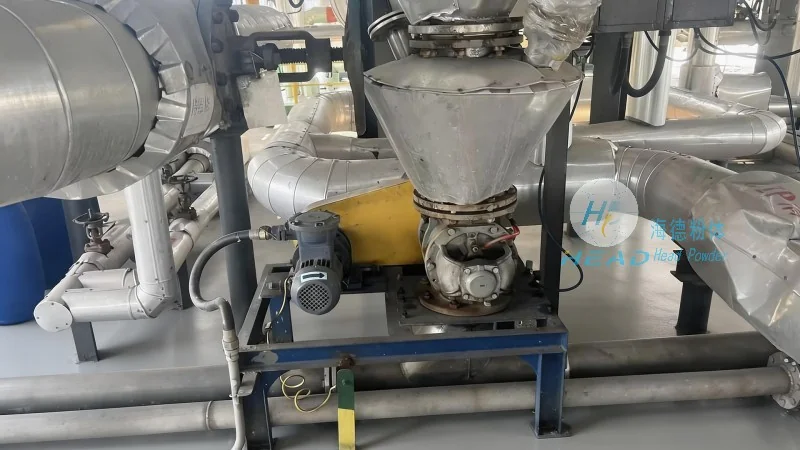
Understanding Pneumatic Dust Removal Systems
Pneumatic dust removal systems, also known as dust collectors or air filtration systems, utilize air flow to capture and remove particulate matter from industrial processes. These systems are integral to industries like mining, manufacturing, and construction, where dust generation is a common byproduct. The core components of a typical pneumatic dust removal system include a dust source, a conveying system, a dust collector, and a filtration unit. Each component works in tandem to ensure effective dust capture and disposal.
The Operation Process of Pneumatic Dust Removal Equipment
The operation process of pneumatic dust removal equipment involves several sequential steps that ensure the efficient removal of dust particles from the air stream. The first step is the generation of dust, which occurs at the source of the industrial process. This dust is then entrained by an air flow, typically generated by a fan or blower, and transported through a duct system. The air-dust mixture then enters the dust collector, where the dust is separated from the air. The separation process can be achieved through various mechanisms, such as cyclonic separation, bag filtration, or electrostatic precipitation, depending on the system design.
After the dust is separated from the air, the cleaned air is discharged back into the environment or recirculated within the facility. The collected dust is then transported to a storage or disposal area. The entire process is controlled by a system of valves, sensors, and controls that monitor the pressure, flow rate, and dust concentration, ensuring optimal performance and safety. The efficiency of the system is critical, as it directly impacts the air quality and compliance with environmental regulations.
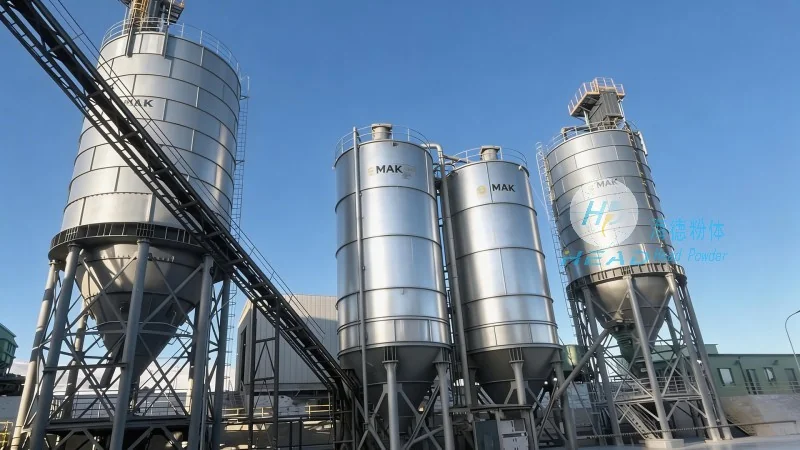
Working Principles of Pneumatic Dust Removal Equipment
The working principles of pneumatic dust removal equipment are based on the fundamental physics of air flow and particle separation. The primary principle is the use of differential pressure and centrifugal force to separate dust particles from the air stream. In cyclonic separators, for example, the air-dust mixture enters a cylindrical chamber at high velocity, causing the dust particles to be forced to the outer wall due to centrifugal force. The dust then falls to the bottom of the chamber and is collected, while the cleaned air exits through the center of the chamber.
Another common principle is filtration, where the air-dust mixture passes through a filter medium, such as fabric bags or cartridges. The filter medium traps the dust particles on its surface, while the clean air passes through. Over time, the filter medium becomes clogged with dust, and a cleaning mechanism, such as shaking or reverse air flow, is used to remove the accumulated dust. This cleaning process is essential to maintain the efficiency of the filtration system and prevent pressure drop.
Key Components and Their Functions
Several key components are integral to the operation of pneumatic dust removal equipment. The fan or blower is responsible for generating the air flow that conveys the dust from the source to the collector. The duct system, made of metal or plastic, transports the air-dust mixture to the dust collector. The dust collector itself is the core of the system, where the separation of dust and air occurs. The filtration unit, whether it is a baghouse or cartridge filter, is responsible for capturing the fine dust particles that are not removed by the primary separation process. The control system, which includes sensors and valves, monitors the system's performance and adjusts the flow rate and pressure as needed.
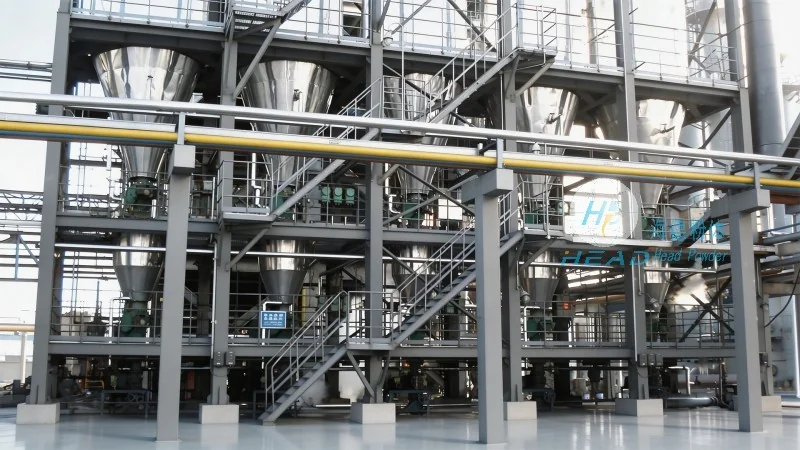
Applications and Benefits of Pneumatic Dust Removal Equipment
Pneumatic dust removal equipment is widely used in various industrial applications, including cement production, metal processing, and food processing. The primary benefits of these systems include improved air quality, compliance with environmental regulations, and enhanced workplace safety. By effectively removing dust from the air, these systems reduce the risk of respiratory diseases among workers and prevent the accumulation of dust in the facility, which can lead to fire hazards or equipment damage.
Additionally, the use of pneumatic dust removal equipment can improve the efficiency of industrial processes by reducing the amount of dust that interferes with machinery and equipment. This leads to lower maintenance costs and increased productivity. The systems are also designed to be energy-efficient, with some models using advanced technologies to minimize energy consumption while maintaining high dust removal efficiency.
Conclusion
In conclusion, pneumatic dust removal equipment is a critical component of modern industrial operations, providing an effective solution for dust control and air purification. The operation process and working principles of these systems are based on fundamental principles of physics and engineering, with key components working in harmony to achieve optimal performance. As a leading manufacturer in Shandong, China, HeadPowder offers high-quality pneumatic dust removal equipment that meets the needs of various industrial applications, ensuring reliable and efficient dust control for its customers.