

Operation Process and Working Principle of Ceramic Powder Pneumatic Conveying
For industrial applications involving the transport of ceramic powders, pneumatic conveying systems offer an efficient and reliable solution. These systems utilize air or other gases to move bulk materials through pipelines, eliminating the need for mechanical components like belts or buckets. The process is particularly advantageous for handling fine, abrasive, or hygroscopic ceramic powders, where traditional methods may cause contamination or material degradation. In this article, we explore the operational process and underlying principles of ceramic powder pneumatic conveying, highlighting key components, flow mechanisms, and practical considerations for system design and maintenance.

Key Components of a Pneumatic Conveying System
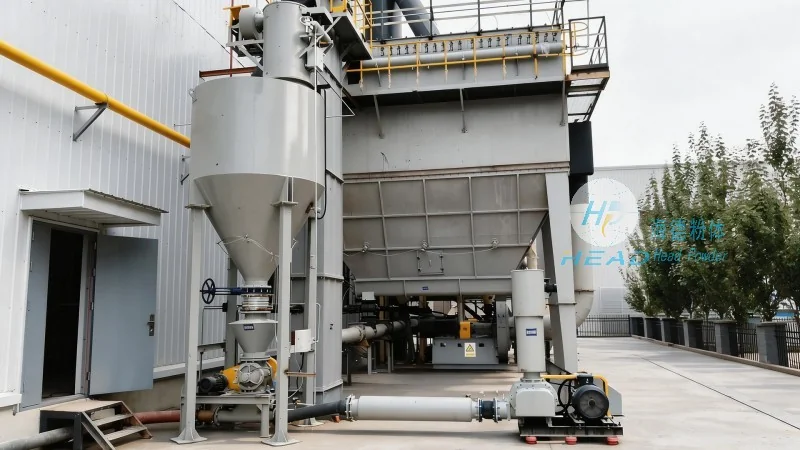
The core components of a pneumatic conveying system for ceramic powders typically include a material hopper, a feeding mechanism, a conveying line, a separation or filtration system, and a dust collection unit. The material hopper stores the ceramic powder and is equipped with a feeder, such as a rotary valve or a screw feeder, to control the flow rate into the system. The conveying line, often made of stainless steel or other corrosion-resistant materials, transports the powder and air mixture. At the discharge end, a separator or cyclone separates the powder from the air stream, and a dust collector captures any residual particles to ensure environmental compliance and product purity.
Working Principle of Pneumatic Conveying
The fundamental principle of pneumatic conveying is the creation of a pressure differential between the inlet and outlet of the system. In a positive pressure system, air is blown into the conveying line, generating a pressure higher than the ambient air, which propels the ceramic powder forward. The powder particles are suspended in the air stream, and their movement is governed by the balance of forces including drag, gravity, and inertia. The velocity of the air and the particle size distribution are critical factors that determine the efficiency of the conveying process. Proper air velocity ensures that the powder remains in suspension, preventing blockages and maintaining consistent flow rates.
Operation Process: From Hopper to Discharge
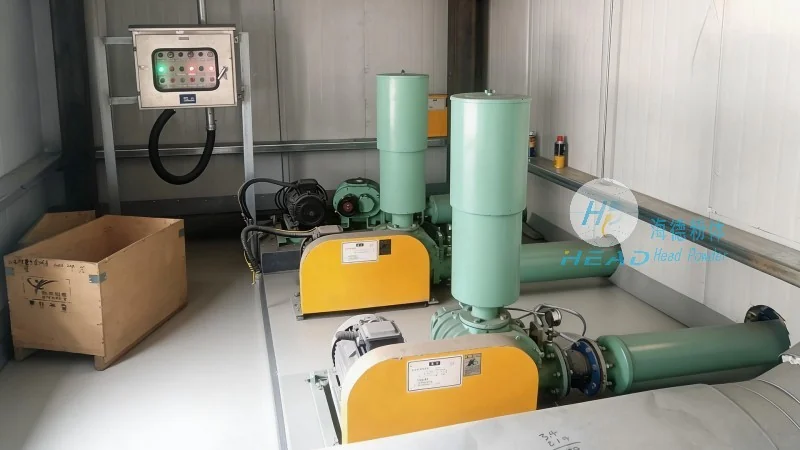
The operational process of a ceramic powder pneumatic conveying system begins with the loading of the material hopper. The feeder regulates the flow of powder into the conveying line, ensuring a steady supply. As the air is introduced at the inlet, it mixes with the powder, creating a slurry-like mixture that travels through the pipeline. The mixture passes through any bends or changes in diameter, where the system’s design ensures minimal pressure loss and particle separation. At the discharge point, the separator uses centrifugal force to separate the powder from the air. The separated powder is collected in a receiving container, while the air is directed to a dust collector for filtration before being released or recirculated.
Factors Influencing System Performance
Several factors impact the performance of a pneumatic conveying system for ceramic powders. Particle size and density are primary considerations, as smaller particles require higher air velocities to remain suspended. The moisture content of the powder can affect flowability and may necessitate drying steps before conveying. System pressure and air volume are critical parameters that must be optimized to achieve the desired conveying distance and capacity. Additionally, the material of construction, such as stainless steel or special alloys, is essential to prevent corrosion from abrasive ceramic particles. Proper maintenance, including regular cleaning of the conveying line and separator, is vital to maintain system efficiency and prevent downtime.
Applications and Benefits in Industrial Settings
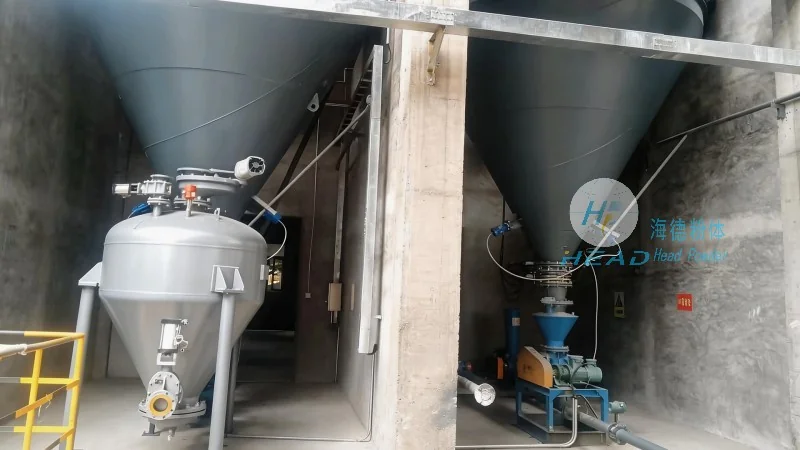
Ceramic powder pneumatic conveying systems are widely used in various industrial sectors, including ceramics manufacturing, pharmaceuticals, and food processing. The benefits of these systems include reduced labor costs, improved product quality by minimizing contamination, and enhanced safety by eliminating manual handling of powders. The ability to transport materials in a closed system also helps in controlling dust emissions and maintaining a clean working environment. For companies operating in the ceramics industry, such as Shandong HeadPowder Engineering Co., Ltd., investing in efficient pneumatic conveying systems can lead to increased productivity and cost savings over time.