

Operation Process and Working Principle of Soybean Pneumatic Conveying
Shandong HeadPowder Engineering Co., Ltd., a leading provider in the field, specializes in the design, manufacturing, and implementation of advanced pneumatic conveying systems tailored for soybean handling. With a focus on efficiency and reliability, their solutions are engineered to meet the demanding requirements of modern agricultural and food processing industries. The company, commonly known as HeadPowder, is headquartered in Shandong, China, and has established a reputation for delivering high-quality equipment that enhances operational performance in bulk material transport.
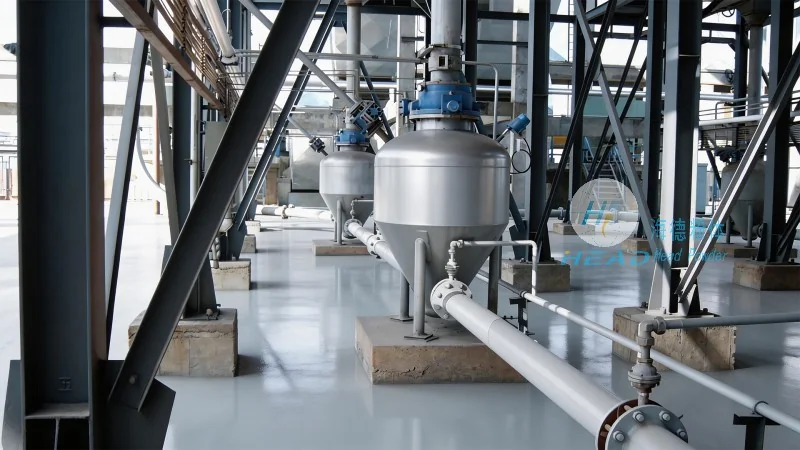
Understanding the Working Principle of Pneumatic Conveying
Pneumatic conveying, as applied to soybean transport, relies on the principle of using air to move bulk materials through a closed system. The process involves creating a pressure differential between the inlet and outlet of the conveying line, which propels the soybeans forward. This method eliminates the need for mechanical components like belts or buckets, reducing maintenance and increasing safety. The system typically consists of a hopper for material storage, a blower or compressor to generate airflow, and a pipeline network that guides the material to its destination. By controlling the air velocity and pressure, the system can handle various soybean sizes and moisture contents without causing product degradation.
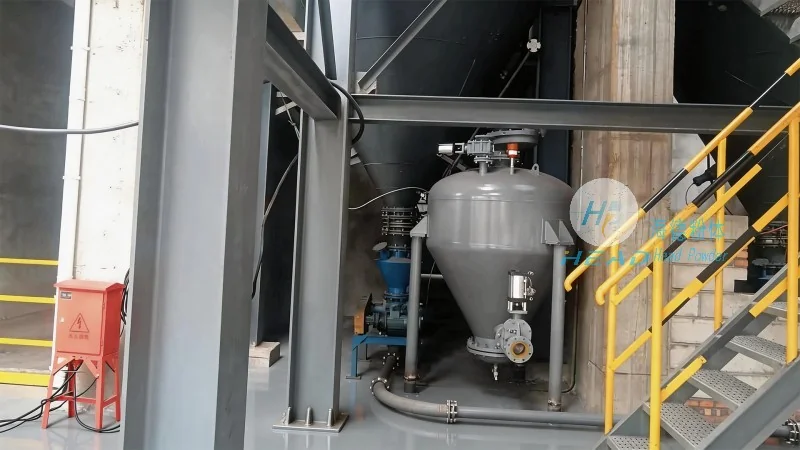
Step-by-Step Operation Process of Soybean Pneumatic Conveying
The operation of a soybean pneumatic conveying system follows a systematic sequence to ensure smooth and continuous material transport. First, soybeans are loaded into the hopper, where they are stored until needed. A feeder then regulates the flow of soybeans into the conveying line, ensuring a consistent feed rate. The blower or compressor activates, generating a high-velocity air stream that draws the soybeans into the pipeline. As the material travels through the system, it is propelled by the air flow, passing through any necessary bends or junctions. At the destination, such as a storage silo or processing unit, the soybeans are discharged into the receiving container. The system then returns to the initial state, ready for the next batch. This cycle is repeated continuously, providing a reliable method for moving large volumes of soybeans with minimal human intervention.
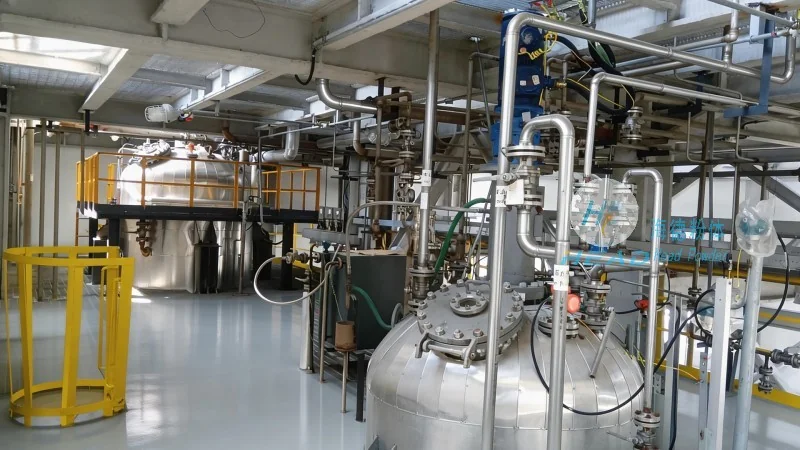
Key Components and Their Functions in the System
Several critical components work in tandem to ensure the effective operation of a soybean pneumatic conveying system. The hopper serves as the primary storage vessel, designed to hold a substantial quantity of soybeans and maintain a consistent feed. The feeder, often a rotary valve or screw feeder, controls the rate at which soybeans enter the conveying line, preventing overloading and ensuring stable operation. The blower or compressor is the heart of the system, responsible for generating the necessary air pressure and velocity to move the material. The pipeline network, made of durable materials like stainless steel or plastic, transmits the air and soybeans from the source to the destination. Additionally, filters and cyclones are integrated to separate any air from the material stream, preventing dust accumulation and maintaining air quality. Each component is carefully selected and sized to match the specific requirements of the soybean handling application, ensuring optimal performance and longevity.
Advantages of Pneumatic Conveying for Soybean Handling
Compared to traditional mechanical conveying methods, pneumatic conveying offers several advantages that make it an ideal choice for soybean transport. One of the most significant benefits is the reduction in product damage, as the system uses air to move materials rather than physical contact. This is particularly important for soybeans, which are sensitive to impact and abrasion. Additionally, the system is highly flexible, allowing for changes in the conveying route or destination without major modifications. It also provides better hygiene and cleanliness, as the enclosed pipeline prevents contamination from external sources. Furthermore, pneumatic conveying systems are more energy-efficient in some cases, as they can use less power to move materials over longer distances compared to mechanical alternatives. These advantages, combined with the reliability and low maintenance requirements, make pneumatic conveying a preferred solution for many soybean processing facilities.
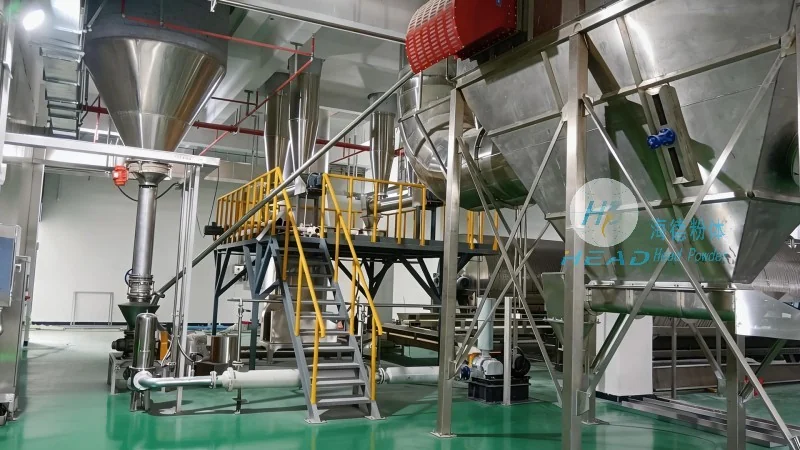
Application Examples and Industry Impact
The application of soybean pneumatic conveying systems spans various stages of the soybean processing chain, from storage and transport to processing and packaging. In storage facilities, the system efficiently moves large quantities of soybeans from storage silos to processing units, ensuring a steady supply of raw material. During processing, the system can transport soybeans to grinding or crushing equipment, where they are prepared for further use. The flexibility of the system also allows it to handle different product types, such as whole soybeans or soy meal, adapting to the changing needs of the industry. By improving the efficiency of material handling, these systems contribute to increased productivity and reduced operational costs for soybean processors. The technology has become a standard in the industry, with many facilities adopting pneumatic conveying to enhance their overall performance and competitiveness.