

Operation Process and Working Principle of Pneumatic Conveying for Fine Materials
Understanding the operation process and working principle of pneumatic conveying for fine materials is crucial for optimizing material handling in various industrial applications. This technology, widely used in industries such as food processing, pharmaceuticals, and chemical manufacturing, enables the efficient transport of dry, powdery, or granular materials through a pipeline using air or other gases.
Company Introduction
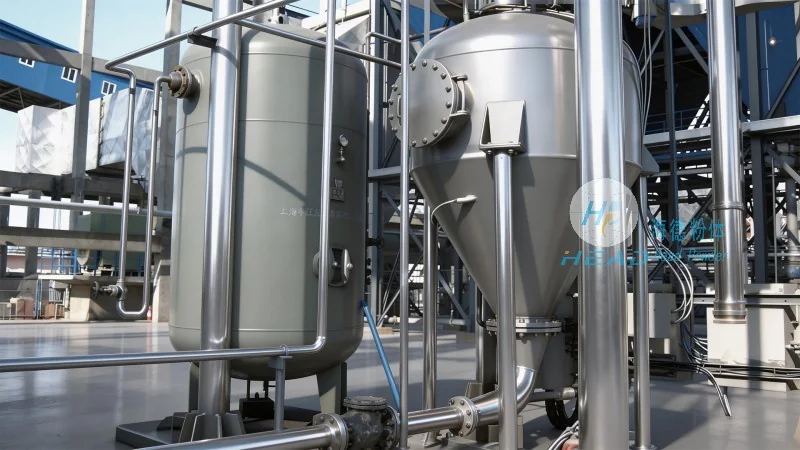
HeadPowder, a leading provider in the field, specializes in designing and manufacturing advanced pneumatic conveying systems. With a strong presence in Shandong, China, the company has built a reputation for delivering reliable and efficient solutions tailored to the unique needs of each client. The company's commitment to quality and innovation ensures that its systems meet the highest standards in performance and durability.
Core Components and System Overview
A typical pneumatic conveying system for fine materials consists of several key components that work in tandem to facilitate material transport. The primary elements include a material hopper or feeder, a conveying line (often equipped with bends and valves), a dust collector or filter system, and a blower or compressor to generate the necessary air pressure. The material is introduced into the system from the hopper, where it is then entrained by the moving air stream and carried through the pipeline to the discharge point.
Operation Process: Step-by-Step
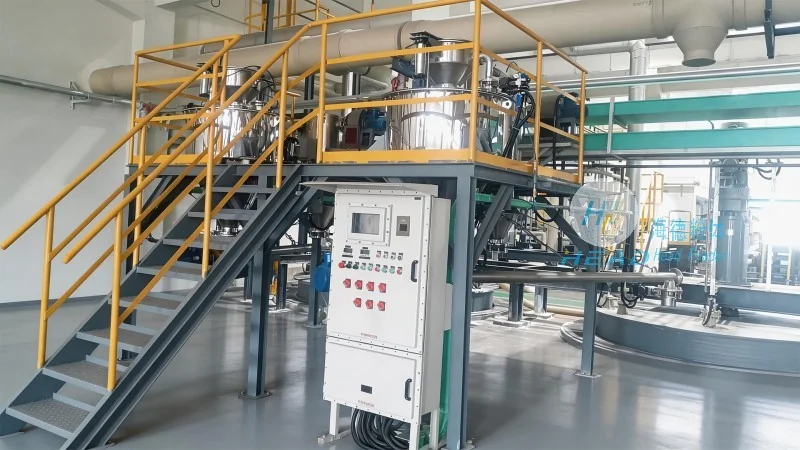
The operation of a pneumatic conveying system for fine materials involves a series of coordinated steps that ensure smooth and continuous material flow. Initially, the material is fed from the hopper into the conveying line. Simultaneously, the blower generates a high-pressure air stream that pulls the material particles into the pipeline. As the material travels through the system, it is suspended and transported by the air flow. The system may include intermediate sections such as expansion chambers or cyclones to separate the material from the air stream at the discharge point. Finally, the material is deposited into the receiving container, while the air is filtered and recycled back into the system to maintain efficiency.
Working Principle: The Physics Behind Pneumatic Conveying
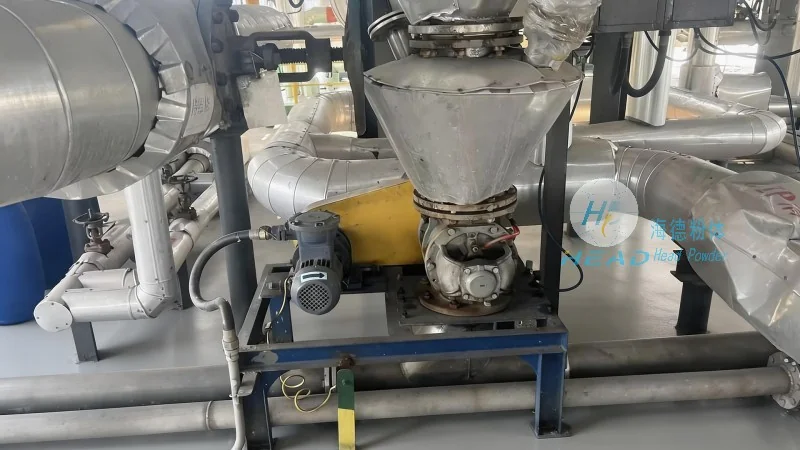
The working principle of pneumatic conveying for fine materials is based on the fundamental physics of fluid dynamics and particle motion. When air is forced through a pipeline at sufficient velocity, it creates a low-pressure zone that draws the material particles into the stream. The key is achieving a velocity that is high enough to overcome the gravitational forces acting on the particles but not so high as to cause excessive wear on the system components. The system's design, including the size of the pipeline, the type of air flow (positive or negative pressure), and the material's properties, all play critical roles in determining the optimal conveying conditions.
Advantages and Applications
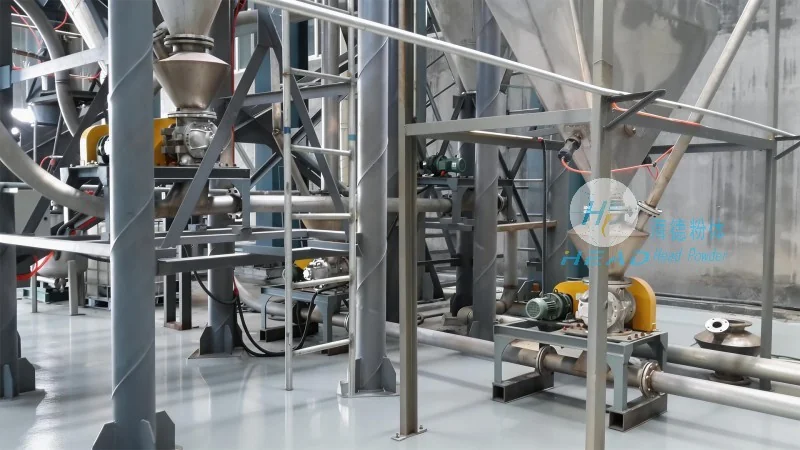
Pneumatic conveying systems offer numerous advantages over traditional mechanical conveying methods, making them ideal for handling fine materials. These advantages include reduced material degradation, minimal product contamination, and the ability to transport materials over long distances without the need for multiple transfer points. The technology is widely applied in industries where hygiene and product purity are paramount, such as food and pharmaceuticals, as well as in chemical and industrial manufacturing where precise control over material flow is essential.
Conclusion
For businesses seeking efficient and reliable solutions for handling fine materials, pneumatic conveying technology from HeadPowder provides a robust and effective option. By understanding the operation process and working principle, users can optimize system performance, reduce operational costs, and enhance overall productivity. With its expertise and commitment to quality, HeadPowder continues to lead in the development of advanced pneumatic conveying systems that meet the evolving needs of modern industry.