

Operation Process and Working Principle of Dry Dust Removal
Shandong HeadPowder Engineering Co., Ltd., commonly known as HeadPowder, is a professional manufacturer and supplier of dust removal equipment based in Shandong, China. With years of experience in the industry, the company specializes in providing efficient and reliable dry dust removal solutions for various industrial applications.
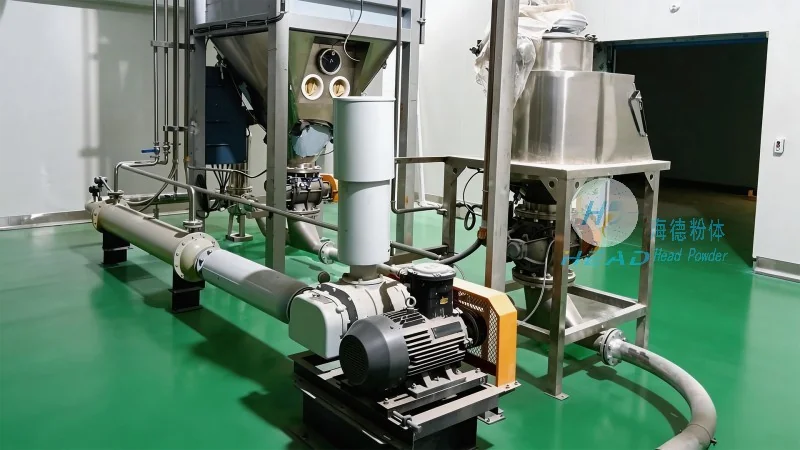
Understanding Dry Dust Removal
Dry dust removal, also known as dry dust collection, is a process used to separate dust particles from gas streams in industrial settings. Unlike wet dust removal methods that use water to capture particles, dry dust removal relies on mechanical or electrostatic forces to trap and remove dust. This method is widely adopted due to its low operating costs, minimal water usage, and ease of maintenance.
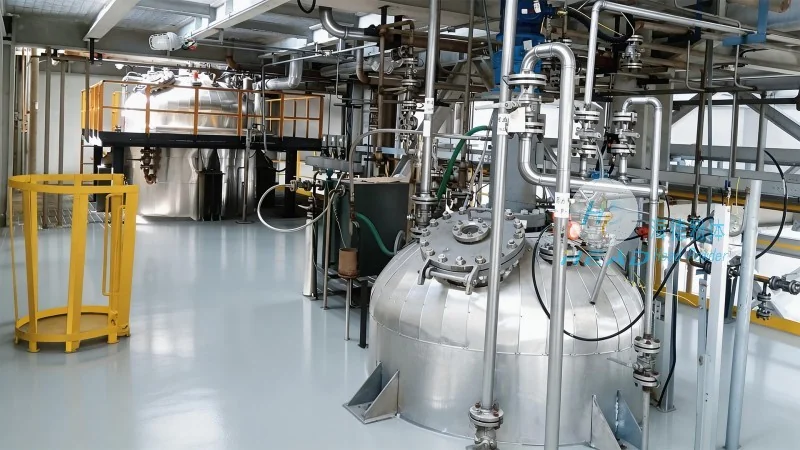
Working Principle of Dry Dust Removal Systems
The core of dry dust removal systems lies in the interaction between the dust-laden gas and the collection device. The process typically involves several key components and mechanisms:
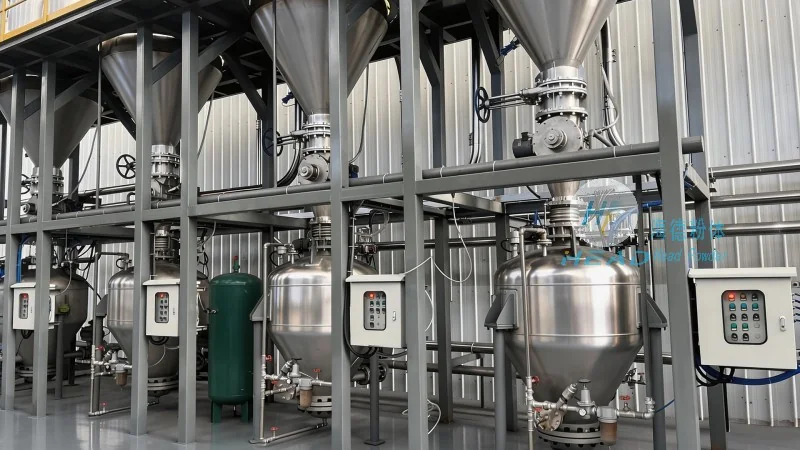
- Preparation Stage: The contaminated gas is first passed through a pre-filter or pre-cleaning device to remove larger particles and debris, preventing clogging of the main collection unit.
- Primary Collection: The gas then enters the main dust removal device, where dust particles are separated from the gas stream. Common technologies include bag filters, cartridge filters, and electrostatic precipitators. Each technology utilizes different principles to achieve efficient dust capture.
- Secondary Treatment: After primary collection, the gas may undergo additional treatment, such as heat recovery or further filtration, to ensure compliance with environmental regulations and improve energy efficiency.
Operation Process of Dry Dust Removal Systems
The operation of a dry dust removal system follows a systematic sequence to ensure optimal performance and dust capture efficiency. The process can be broken down into the following stages:
- Gas Inlet: The contaminated gas is drawn into the system through an inlet duct. The gas velocity is controlled to ensure proper flow and prevent turbulence, which could affect dust separation efficiency.
- Pre-Cleaning: The gas passes through a pre-cleaner, such as a cyclone or a mesh filter, to remove larger particles. This step reduces the load on the main filter and extends its service life.
- Main Collection: The gas then enters the primary collection device. In a bag filter system, for example, the gas flows through the filter bags, and dust particles are trapped on the surface of the bags. The clean gas exits the system through the clean gas outlet.
- Dust Removal: Periodically, the collected dust is removed from the filter bags through a process called "shaking" or "pulse jet cleaning." This involves creating a reverse airflow that dislodges the dust from the bags and collects it in a hopper.
- Gas Outlet: The cleaned gas is discharged from the system, meeting the required emission standards. The collected dust is then removed from the hopper and disposed of according to local regulations.
Advantages of Dry Dust Removal Systems
Dry dust removal systems offer several advantages over wet dust removal methods, making them a preferred choice for many industries. These include:
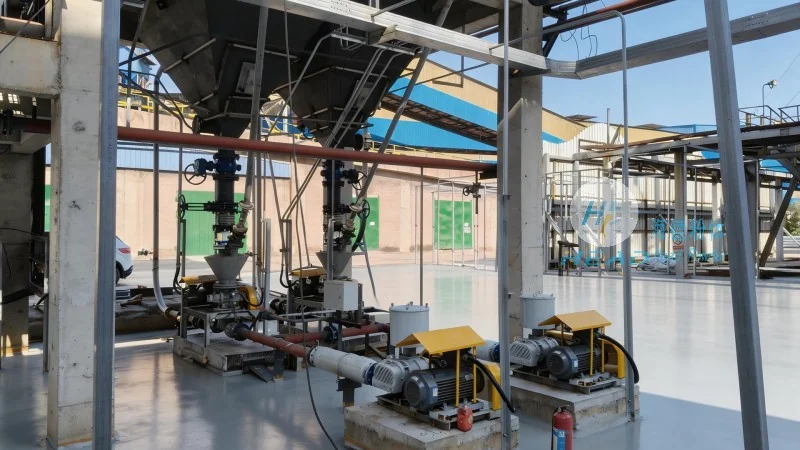
- Low Operating Costs: Since no water is used in the process, the cost of water treatment and disposal is eliminated. This reduces the overall operational expenses for the system.
- Energy Efficiency: The absence of water allows for better heat recovery from the gas stream, as the gas does not need to be cooled or heated for water treatment. This leads to improved energy efficiency and lower utility bills.
- Easy Maintenance: Dry filters are generally easier to maintain compared to wet systems. They require less frequent cleaning and replacement, reducing downtime and maintenance costs.
- Environmental Compliance: Modern dry dust removal systems can achieve high dust capture efficiencies, often exceeding 99%, ensuring compliance with stringent environmental regulations.
Conclusion
Shandong HeadPowder Engineering Co., Ltd. specializes in providing high-quality dry dust removal systems that operate efficiently and reliably. By understanding the operation process and working principles of these systems, industries can make informed decisions to improve their air quality and meet environmental standards. The company's expertise in dry dust removal technology ensures that clients receive tailored solutions that meet their specific needs and requirements.