

Technical Analysis of Organic Fertilizer Pneumatic Conveying Systems: A Comparison of Positive Press
Organic fertilizer pneumatic conveying systems are critical for efficient material handling in agricultural and industrial applications. These systems enable the transport of bulk organic materials such as compost, manure, and bio-solids over long distances with minimal human intervention. The choice between positive pressure and negative pressure conveying modes significantly impacts system performance, energy consumption, and operational safety. This technical analysis, provided by Shandong HeadPowder Engineering Co., Ltd., a leading manufacturer of industrial conveying solutions, offers a comprehensive comparison of the two primary modes, highlighting their applications, advantages, and limitations.
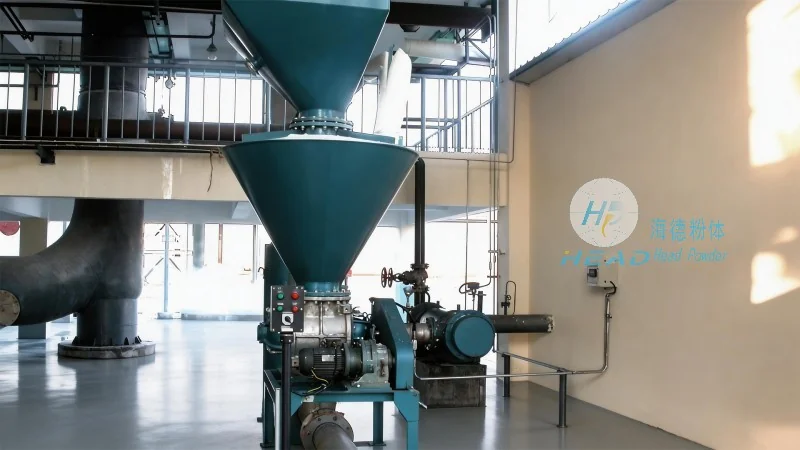
Understanding Pneumatic Conveying Modes
Pneumatic conveying systems utilize air or gas to transport solid materials through a pipeline. The two main modes—positive pressure and negative pressure—differ in how they generate the necessary airflow to move the material. Positive pressure systems force air into the system, typically using a blower or compressor. The air pressure is maintained above atmospheric pressure, ensuring material is pushed through the pipeline. This mode is well-suited for applications requiring high material throughput and long-distance transport. It offers several advantages, including the ability to handle abrasive or sticky materials without excessive wear on components. Additionally, positive pressure systems are generally easier to maintain and can be integrated with existing infrastructure. However, they may require more energy to operate, as the blower must continuously supply compressed air. The system also needs proper sealing to prevent air leakage, which can reduce efficiency and increase operational costs.
Negative Pressure Conveying Mode
Negative pressure conveying, also known as vacuum conveying, works by creating a vacuum in the pipeline. The vacuum draws material from the source into the system, where it is then transported to the destination. This mode is often preferred for short-distance or low-volume applications, as it can handle fine powders and granules effectively. Negative pressure systems typically consume less energy compared to positive pressure systems, as the vacuum is generated by a fan or ejector that draws air from the system rather than compressing it. However, they may be less efficient for transporting large quantities of material over long distances, as the vacuum can degrade over time, leading to reduced performance. The system also requires careful consideration of dust control and air filtration, as the vacuum can pull in ambient air and particles, potentially affecting air quality and system maintenance.
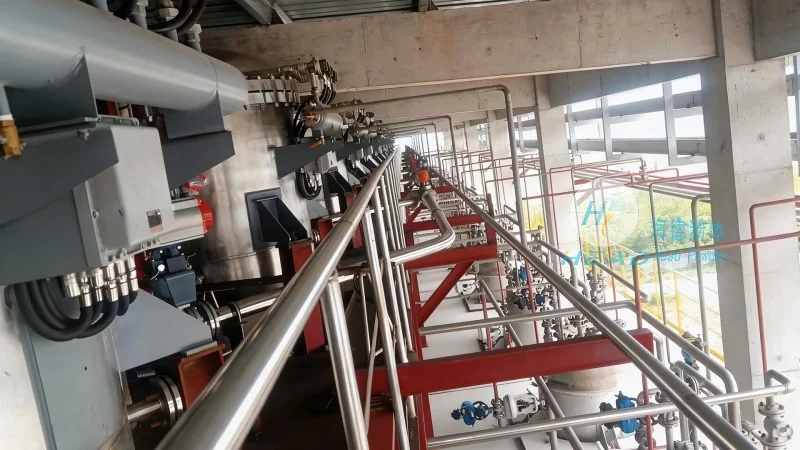
Key Considerations for Organic Fertilizer Applications
When selecting a pneumatic conveying system for organic fertilizers, several factors must be considered. The properties of the organic material, such as moisture content, particle size, and flowability, play a crucial role in determining the appropriate conveying mode. For example, high-moisture or sticky materials may benefit from positive pressure systems due to their ability to handle abrasive conditions. Conversely, fine powders or materials with low flowability may be better suited for negative pressure systems, which can provide gentle handling and reduce material degradation. The distance between the source and destination, as well as the required throughput, also influence the choice of mode. Positive pressure systems are often preferred for long-distance transport due to their higher efficiency and ability to maintain consistent material flow. In contrast, negative pressure systems may be more suitable for short-distance or on-site applications where energy efficiency and low noise operation are priorities.
System Components and Design
Both positive and negative pressure conveying systems consist of several key components, including a material source, a conveying line, a separation or collection unit, and a fan or blower. The material source, such as a hopper or silo, feeds the organic fertilizer into the system. The conveying line transports the material from the source to the destination, with the air flow direction determined by the chosen mode. The separation unit, such as a cyclone or filter, removes the material from the air stream and collects it in a storage bin or processing unit. The fan or blower provides the necessary airflow, with positive pressure systems using a blower and negative pressure systems using a vacuum fan or ejector.
Advantages and Limitations of Each Mode
Positive pressure conveying offers several advantages, including high material throughput, long-distance transport capability, and the ability to handle abrasive or sticky materials. However, it may require higher energy consumption and more robust sealing to prevent air leakage. Negative pressure conveying, on the other hand, is energy-efficient, gentle on materials, and suitable for fine powders. It may, however, be less effective for long-distance transport and may require more frequent maintenance due to the vacuum system's sensitivity to dust and debris.
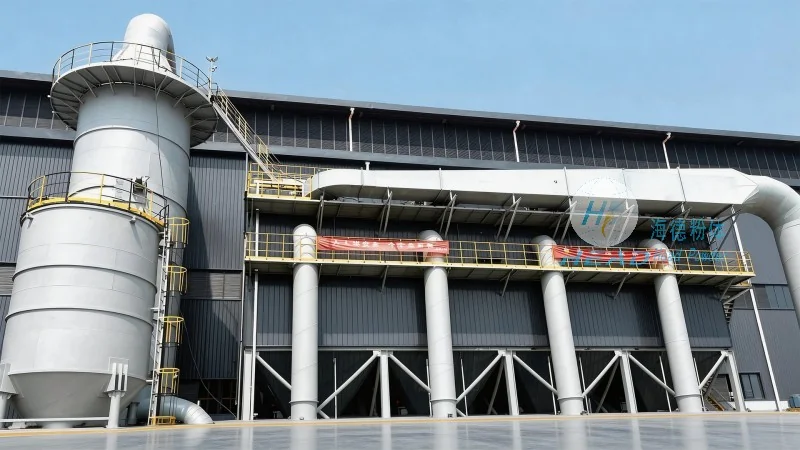
Case Study: Application in Organic Fertilizer Processing
A case study of a large-scale organic fertilizer plant in China demonstrates the effectiveness of positive pressure conveying for long-distance transport. The plant processes compost from agricultural waste and uses a system designed by Shandong HeadPowder Engineering Co., Ltd. to transport the material from the composting facility to a storage silo located 500 meters away. The system achieves a throughput of 100 tons per hour, with minimal material degradation and low operational costs. The positive pressure mode was chosen due to the high volume of material and the need for consistent flow over the long distance. The system includes a high-capacity blower, a robust conveying line with wear-resistant liners, and a cyclone separator to collect the compost. The plant operators report that the system has reduced labor costs by 30% compared to traditional manual handling methods and has improved the overall efficiency of the compost processing operation.
Conclusion
The choice between positive pressure and negative pressure pneumatic conveying modes for organic fertilizer systems depends on the specific application requirements, material properties, and operational constraints. Positive pressure systems are generally more suitable for high-throughput, long-distance transport, while negative pressure systems are better for low-volume, short-distance applications or fine powders. By carefully evaluating these factors, operators can select the most efficient and cost-effective conveying mode to meet their needs. As the demand for organic fertilizers grows, the development of advanced pneumatic conveying systems will continue to play a vital role in optimizing material handling processes and supporting sustainable agricultural practices.