

Technical Analysis of Activated Carbon Pneumatic Conveying Systems: A Comparison of Positive and Neg
Activated carbon is widely used in various industrial processes for its excellent adsorption properties, making the efficient and reliable transportation of this material a critical aspect of operational success. Pneumatic conveying systems offer a solution to this challenge by utilizing air or gas to move bulk materials like activated carbon through pipelines. Among the different types of pneumatic conveying systems, the choice between positive pressure and negative pressure modes significantly impacts system performance, cost, and application suitability. This article provides a technical analysis of activated carbon pneumatic conveying systems, focusing on the comparative evaluation of positive and negative pressure conveying modes, and highlights the expertise of Shandong HeadPowder Engineering Co., Ltd. in designing and implementing such systems.
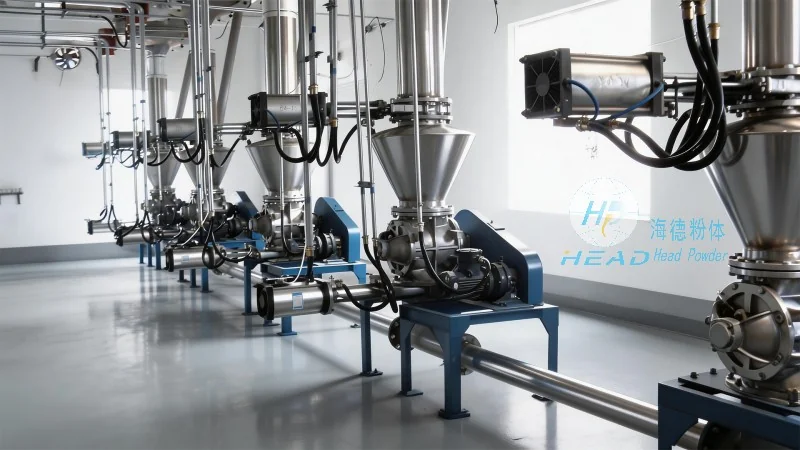
Overview of Pneumatic Conveying Systems for Activated Carbon
Pneumatic conveying systems are mechanical systems that transport bulk materials through a pipeline using air or gas as the conveying medium. These systems are particularly suitable for activated carbon due to its fine particle size and high moisture content, which can make traditional bulk handling methods inefficient or problematic. The primary function of a pneumatic conveying system is to lift, transport, and discharge the material from a source to a destination, often with the ability to handle multiple points of loading and unloading. The design of such systems must consider factors like material properties, system capacity, operating pressure, and environmental regulations to ensure optimal performance and safety.
Positive Pressure Conveying Mode: Principles and Applications
Positive pressure conveying, also known as pressure conveying, operates by introducing compressed air or gas into the conveying line at a higher pressure than the ambient air. The material is fed into the system at the inlet, where it is mixed with the pressurized air and carried through the pipeline to the discharge point. This mode is commonly used for short to medium-distance conveying, typically up to several hundred meters, and is particularly effective for handling abrasive or corrosive materials like activated carbon. The positive pressure system ensures that the material is continuously pushed forward, reducing the risk of blockages and ensuring consistent flow rates. Shandong HeadPowder Engineering Co., Ltd. specializes in designing positive pressure systems tailored to the specific requirements of activated carbon handling, incorporating features such as high-pressure blowers, efficient material feed mechanisms, and robust pipeline designs to minimize wear and maintenance.
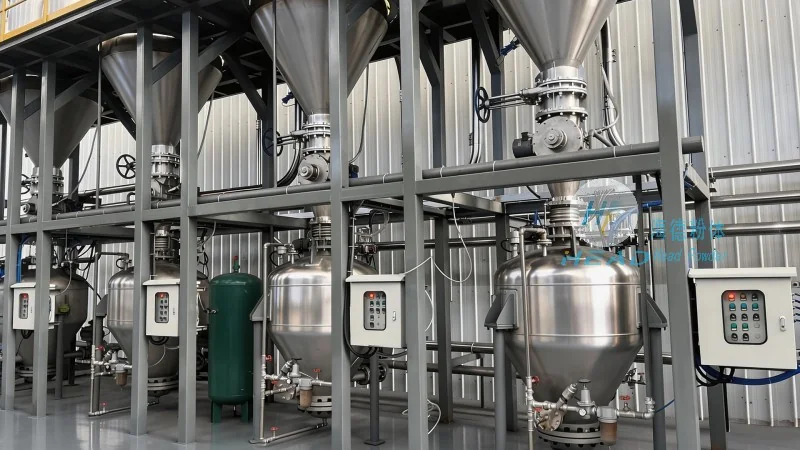
Negative Pressure Conveying Mode: Principles and Applications
Negative pressure conveying, or vacuum conveying, operates by creating a vacuum in the conveying line, which draws the material from the source into the system. The material is then transported to the discharge point by the differential pressure between the source and the destination. This mode is typically used for longer distances, often exceeding several hundred meters, and is suitable for applications where the material needs to be transported from a higher elevation to a lower one. Negative pressure systems are generally more energy-efficient for long-distance conveying as they require less power to maintain the vacuum compared to the continuous compression needed in positive pressure systems. However, they are more susceptible to blockages and require careful design to prevent material buildup in the pipeline. Shandong HeadPowder Engineering Co., Ltd. offers negative pressure conveying solutions that incorporate advanced vacuum pumps, material feed controls, and filtration systems to ensure reliable operation and minimize downtime.
Key Factors in Choosing Between Positive and Negative Pressure Modes
The selection between positive and negative pressure conveying modes depends on several critical factors, including the distance between the source and destination, the elevation difference, the material properties (such as particle size, moisture content, and abrasiveness), and the required system capacity. For short distances and high material flow rates, positive pressure systems are often more cost-effective and efficient due to their ability to handle higher pressures and maintain consistent flow. In contrast, negative pressure systems are preferred for long-distance or elevated transport, as they are more energy-efficient and can handle larger volumes with lower power consumption. The choice also involves considerations of system complexity, maintenance requirements, and environmental impact. For instance, positive pressure systems may require more robust filtration to prevent dust emissions, while negative pressure systems need careful sealing to avoid air leaks and maintain vacuum levels. Shandong HeadPowder Engineering Co., Ltd. provides comprehensive technical assessments to help clients evaluate these factors and select the most suitable conveying mode for their activated carbon handling needs.
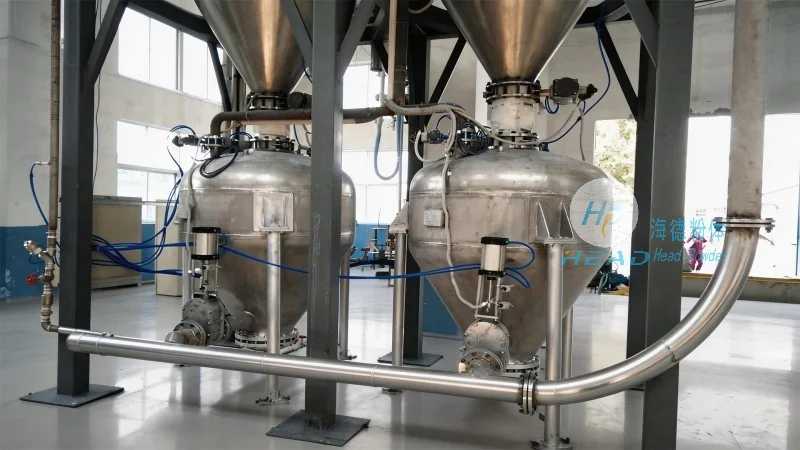
System Components and Design Considerations
Both positive and negative pressure conveying systems consist of several key components, including the material feed system, conveying line, air or gas source, and discharge equipment. The material feed system is critical for ensuring consistent material flow into the system, as fluctuations in feed rate can affect the conveying efficiency. For activated carbon, feed hoppers with proper sealing and material flow control devices are essential to prevent material degradation and ensure smooth operation. The conveying line is typically made of corrosion-resistant materials like stainless steel or plastic to withstand the abrasive nature of activated carbon and the effects of air or gas flow. The air or gas source, whether a blower for positive pressure or a vacuum pump for negative pressure, must be sized appropriately to meet the system's pressure and flow requirements. Discharge equipment, such as rotary valves or pneumatic actuators, ensures that the material is released from the system at the desired location without causing blockages or spillage. Shandong HeadPowder Engineering Co., Ltd. emphasizes the importance of integrating these components into a cohesive system design, optimizing each part for the specific characteristics of activated carbon to achieve maximum efficiency and reliability.
Performance Metrics and Efficiency Analysis
The performance of pneumatic conveying systems is evaluated based on several key metrics, including conveying capacity, pressure drop, energy consumption, and material recovery rate. Conveying capacity refers to the amount of material that can be transported per unit time, which is influenced by the system's pressure, flow rate, and material properties. Pressure drop across the pipeline indicates the energy required to move the material and is a critical factor in determining system efficiency. Lower pressure drop means less energy consumption and lower operating costs. Energy consumption is a significant cost factor in pneumatic conveying systems, and the choice between positive and negative pressure modes affects this metric significantly. Positive pressure systems generally consume more energy due to the continuous compression of air, while negative pressure systems are more energy-efficient for long-distance conveying. Material recovery rate measures the percentage of material successfully conveyed to the destination, with higher rates indicating better system performance. Shandong HeadPowder Engineering Co., Ltd. conducts detailed performance analyses to optimize system parameters, ensuring that the conveying system operates at peak efficiency and meets the client's operational goals.