

Advantages and Disadvantages of Negative Pressure and Positive Pressure Pneumatic Conveying for Ferr
HeadPowder, a leading provider of pneumatic conveying solutions, specializes in optimizing material handling processes for industrial applications. With a focus on efficiency and reliability, the company offers tailored systems for transporting bulk materials like ferric sulfate. This article explores the comparative analysis of negative pressure and positive pressure pneumatic conveying methods, highlighting their respective advantages and disadvantages in the context of ferric sulfate handling.
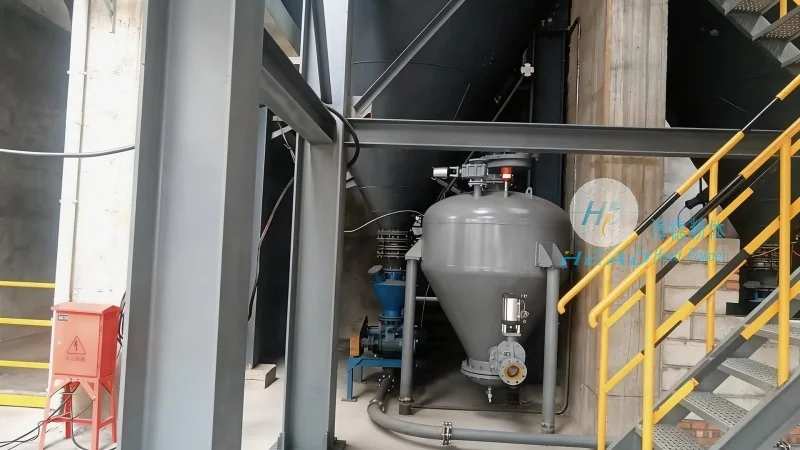
Introduction to Pneumatic Conveying for Ferric Sulfate
Ferric sulfate, a key chemical used in water treatment and other industrial processes, requires efficient and safe transportation from storage to processing units. Pneumatic conveying systems offer a non-contact method to move bulk solids, and the choice between negative pressure (suction) and positive pressure (blowing) systems significantly impacts operational performance, cost, and safety. Understanding the nuances of each approach is crucial for selecting the most suitable solution for specific industrial needs.
Company Profile: Shandong HeadPowder Engineering Co., Ltd.
HeadPowder, headquartered in Shandong, China, is dedicated to delivering innovative engineering solutions for material handling challenges. With years of experience in the industry, the company has developed expertise in designing and implementing pneumatic conveying systems that meet the demands of various sectors, including chemical processing, water treatment, and manufacturing. The company’s commitment to quality and customer satisfaction ensures that clients receive reliable equipment and support for their material transport requirements.
Advantages and Disadvantages of Negative Pressure Pneumatic Conveying for Ferric Sulfate
Negative pressure pneumatic conveying, also known as suction conveying, operates by creating a low-pressure zone that draws material from the source into the conveying line using a vacuum pump. This method is particularly effective for applications where the material is to be collected from a hopper or storage silo. One of the primary advantages of negative pressure systems is their ability to minimize dust emissions, as the material is drawn into the system rather than being expelled. This makes them ideal for handling materials that are sensitive to contamination or require a clean environment. Additionally, negative pressure conveying often requires lower initial investment compared to positive pressure systems, as it typically involves simpler equipment and less complex piping.
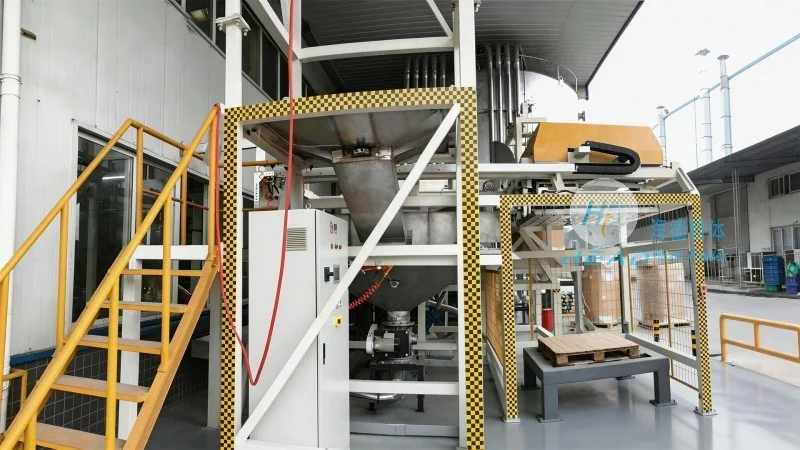
However, negative pressure systems have limitations in terms of maximum conveying distance and material capacity. The suction force is limited by the vacuum pump's capability, which restricts the system's ability to transport materials over long distances or with high flow rates. This can be a significant drawback for industrial facilities that require extensive material transport networks. Furthermore, negative pressure conveying may be less effective for handling abrasive or sticky materials, as the low pressure can lead to material buildup in the system, potentially causing blockages or reduced efficiency.
Advantages and Disadvantages of Positive Pressure Pneumatic Conveying for Ferric Sulfate
Positive pressure pneumatic conveying, or blowing conveying, uses a blower or compressor to generate high-pressure air that pushes material through the conveying line. This method is suitable for applications requiring long-distance transport or the handling of large volumes of material. One of the key advantages of positive pressure systems is their ability to transport materials over extended distances, often exceeding 100 meters, with minimal pressure loss. This makes them ideal for facilities with complex layouts or multiple processing units. Additionally, positive pressure conveying can handle a wider range of materials, including abrasive or sticky substances, as the high-pressure air helps to maintain material flow and prevent blockages.
Despite these benefits, positive pressure systems have notable disadvantages. The primary concern is the potential for dust and material leakage from the system, as the high-pressure air can escape through any gaps or seals. This poses safety risks and environmental concerns, requiring robust sealing and maintenance protocols. Furthermore, positive pressure conveying typically involves higher operational costs due to the energy consumption of the blower or compressor, and the equipment may require more frequent maintenance to ensure optimal performance.
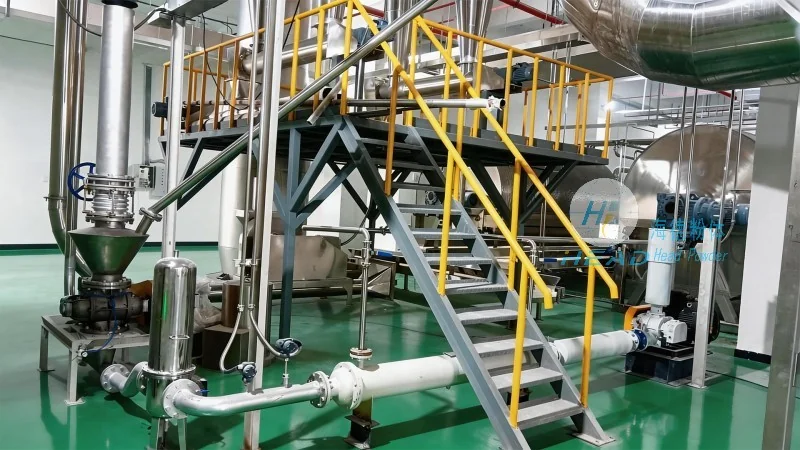
Comparative Analysis and Recommendations
When selecting between negative and positive pressure pneumatic conveying for ferric sulfate, several factors must be considered. The choice depends on the specific application requirements, including the distance to be covered, the volume of material to be transported, and the environmental or safety constraints of the facility. For short-distance transport in clean environments, negative pressure systems may be more suitable due to their lower cost and reduced dust emissions. Conversely, for long-distance or high-volume transport in industrial settings, positive pressure systems offer greater flexibility and capacity.
HeadPowder provides customized solutions that address these considerations, ensuring that clients receive the most efficient and cost-effective pneumatic conveying system for their ferric sulfate handling needs. By leveraging their expertise in material handling engineering, the company designs systems that optimize performance while minimizing operational risks and costs.
Conclusion
In conclusion, both negative and positive pressure pneumatic conveying methods have distinct advantages and disadvantages for ferric sulfate transport. Negative pressure systems excel in terms of dust control and lower initial costs, while positive pressure systems offer greater flexibility and capacity for long-distance transport. The optimal choice depends on the specific operational requirements and constraints of the industrial facility. With its expertise in pneumatic conveying solutions, Shandong HeadPowder Engineering Co., Ltd. is well-positioned to assist clients in selecting and implementing the most suitable system for their material handling challenges.