

Advantages and Disadvantages of Negative Pressure vs. Positive Pressure Conveying in Ammonium Chlori
Ammonium chloride, a widely used chemical in industrial applications, often requires efficient and reliable transportation methods. Pneumatic conveying is a common technique for handling such bulk materials, with two primary approaches: negative pressure (suction) and positive pressure (blowing) systems. This article provides a detailed comparison of the advantages and disadvantages of negative pressure versus positive pressure conveying for ammonium chloride, helping stakeholders make informed decisions based on operational needs and material characteristics.
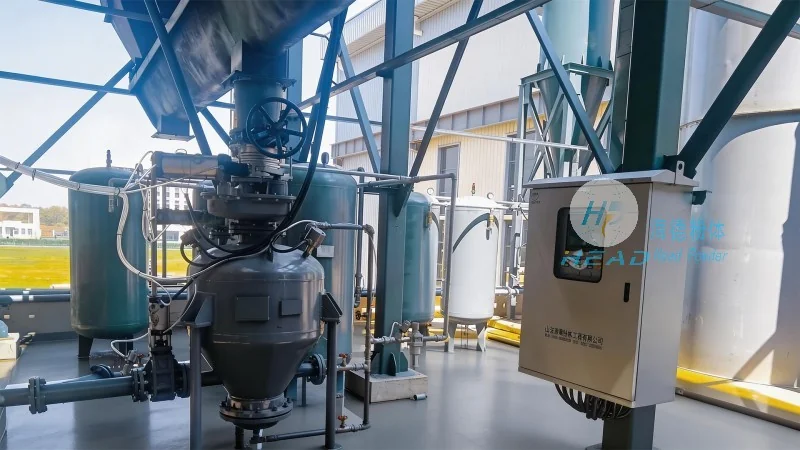
Introduction to Pneumatic Conveying Systems
Pneumatic conveying systems transport bulk materials like ammonium chloride by using air or gas as the conveying medium. The two main types are negative pressure (or suction) systems, where air is drawn into the system to pull material from the source, and positive pressure (or blowing) systems, where air is forced into the system to push material to the destination. Each method has distinct characteristics that affect its suitability for different applications.
Negative Pressure Conveying: Advantages and Limitations
Negative pressure conveying, also known as suction conveying, operates by creating a vacuum at the material source. This vacuum draws the ammonium chloride particles into the conveying line, which is then transported to the destination. One of the key advantages of this method is its relatively low energy consumption compared to positive pressure systems. The absence of high-pressure air pumps reduces operational costs and energy usage, making it an attractive option for shorter conveying distances or where energy efficiency is a priority.
Another advantage is the reduced risk of dust leakage and environmental contamination. Since the system operates under a slight vacuum, there is less likelihood of material escaping from the conveying line, which is particularly important for handling ammonium chloride, a fine powder that can be a respiratory hazard. The simplicity of the equipment is also a notable benefit; negative pressure systems typically require fewer components, such as a single fan or vacuum pump, and are easier to install and maintain.
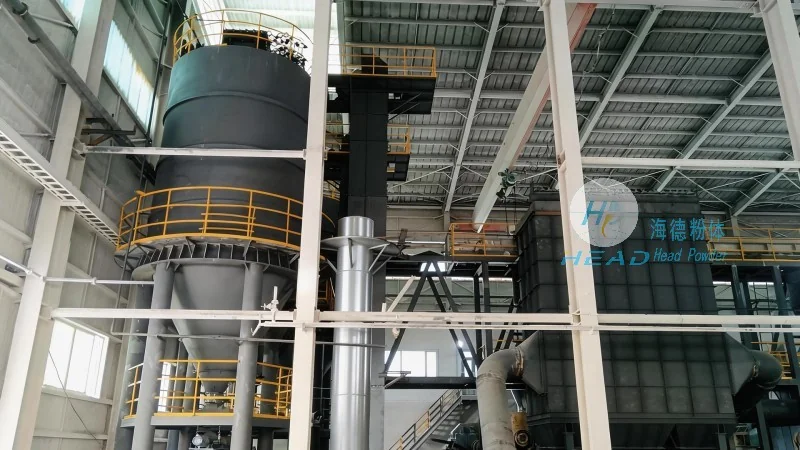
However, negative pressure conveying has significant limitations. The most critical drawback is its limited conveying distance. The vacuum pressure is typically lower than the pressure in positive pressure systems, which restricts the maximum distance over which material can be transported. For longer distances, the system may require additional vacuum boosters or larger fans, increasing complexity and cost. Additionally, the system's performance can be affected by changes in material flow rate or particle size, as the vacuum may not be sufficient to maintain consistent material transport. This variability can lead to uneven material delivery and potential blockages in the conveying line.
Positive Pressure Conveying: Advantages and Limitations
Positive pressure conveying, or blowing conveying, uses compressed air to force ammonium chloride particles through the conveying line. This method is capable of transporting materials over much longer distances compared to negative pressure systems, making it suitable for industrial applications where the material source and destination are far apart. The ability to maintain consistent pressure throughout the system allows for reliable material transport, even in complex layouts with multiple branches or changes in elevation.
A key advantage of positive pressure systems is their higher conveying capacity and efficiency. The higher air pressure ensures that material is consistently pushed through the line, reducing the risk of clogging or uneven flow. This makes positive pressure conveying ideal for high-volume operations, where large quantities of ammonium chloride need to be transported quickly and reliably. The system also offers better control over the material's velocity and direction, allowing for precise delivery to processing equipment or storage areas.
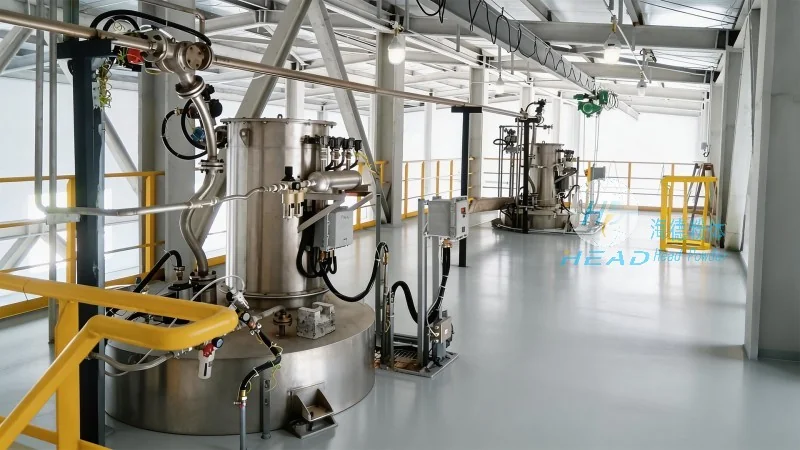
Despite these benefits, positive pressure conveying has notable drawbacks. The primary limitation is its higher energy consumption. Compressed air systems require powerful blowers or fans to generate the necessary pressure, leading to increased operational costs and energy usage. The equipment is also more complex and expensive, with components such as air compressors, filters, and pressure regulators that add to the initial investment. Additionally, positive pressure systems pose a higher risk of dust leakage and environmental contamination, as the high-pressure air can force material particles out of the conveying line if seals are not properly maintained. This requires more rigorous maintenance and safety measures to prevent dust exposure and environmental hazards.
Comparison and Selection Criteria for Ammonium Chloride Conveying
When choosing between negative pressure and positive pressure conveying for ammonium chloride, several factors must be considered. The most critical factor is the required conveying distance. For short distances (typically under 50 meters), negative pressure systems are often more cost-effective and efficient due to their lower energy consumption and simpler design. For longer distances (over 50 meters), positive pressure systems are generally preferred for their ability to maintain consistent material flow and transport over greater distances.
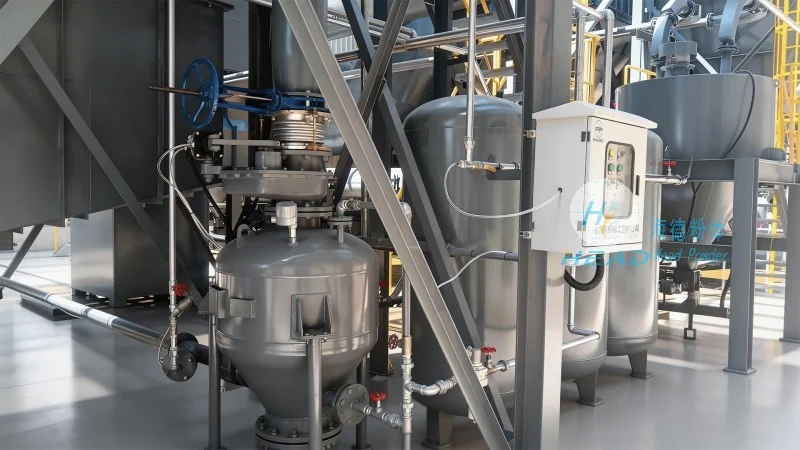
Material characteristics also play a significant role in the selection process. Ammonium chloride is a fine powder with a relatively low bulk density, which can affect the performance of both systems. Negative pressure systems may struggle with fine powders that have a tendency to settle or agglomerate, potentially leading to blockages. Positive pressure systems, with their higher air pressure, can better handle such materials by maintaining a consistent flow and preventing agglomeration. However, the higher pressure may also increase the risk of material degradation or particle breakage, which could affect the quality of the ammonium chloride.
Operational costs and energy efficiency are also important considerations. Negative pressure systems are generally more energy-efficient and have lower operational costs, making them suitable for applications where energy savings are a priority. Positive pressure systems, while more expensive to operate, offer higher throughput and reliability, which may be necessary for high-volume production lines. Maintenance requirements and system complexity are other factors to consider. Negative pressure systems are easier to maintain due to their simpler components, while positive pressure systems require more regular maintenance of air compressors and filters to ensure optimal performance.
Company Profile: Shandong HeadPowder Engineering Co., Ltd.
Shandong HeadPowder Engineering Co., Ltd., a leading provider of bulk material handling solutions, specializes in designing and implementing pneumatic conveying systems for industries such as chemical, food, and pharmaceuticals. With a focus on innovation and customer satisfaction, the company offers tailored solutions that address the unique challenges of handling materials like ammonium chloride. Based in Shandong, China, HeadPowder Engineering leverages years of experience and advanced technology to deliver efficient, reliable, and cost-effective conveying systems that meet the highest industry standards. The company's expertise in both negative and positive pressure conveying allows it to provide comprehensive advice and customized solutions to help clients optimize their material transport processes.