

Advantages and Disadvantages of Negative Pressure and Positive Pressure Conveying in Cocoa Powder Pn
When it comes to the pneumatic conveying of cocoa powder, selecting the right conveying method is crucial for ensuring efficiency, product quality, and operational reliability. Two primary approaches dominate the industry: negative pressure conveying and positive pressure conveying. This article provides a detailed comparison of the advantages and disadvantages of each method, helping stakeholders make informed decisions for their cocoa powder handling operations.
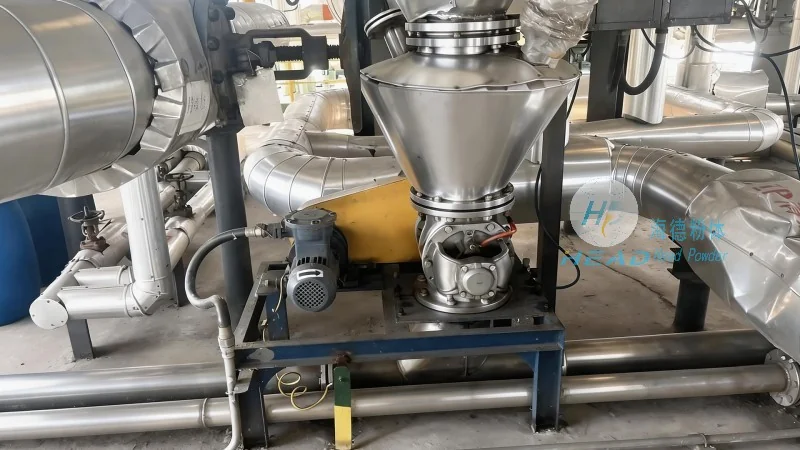
Introduction to Pneumatic Conveying Methods
Pneumatic conveying is a widely used technique for transporting bulk materials like cocoa powder through a pipeline using air. The two main categories are negative pressure (or suction) conveying and positive pressure (or pressure) conveying. Each method has distinct characteristics that affect its suitability for different applications.
Negative Pressure Conveying: Advantages and Disadvantages
Negative pressure conveying, also known as suction conveying, operates by creating a low-pressure zone in the conveying line, which draws the material from the source into the pipeline. This method is often preferred for applications where the material is to be transported from a central collection point to a single destination.
One of the key advantages of negative pressure conveying is its ability to handle materials with high moisture content or those that are prone to dust generation. The suction action helps to minimize material degradation and maintain product integrity. Additionally, this method is generally more energy-efficient compared to positive pressure systems, as it relies on the natural pressure differential rather than external compression.
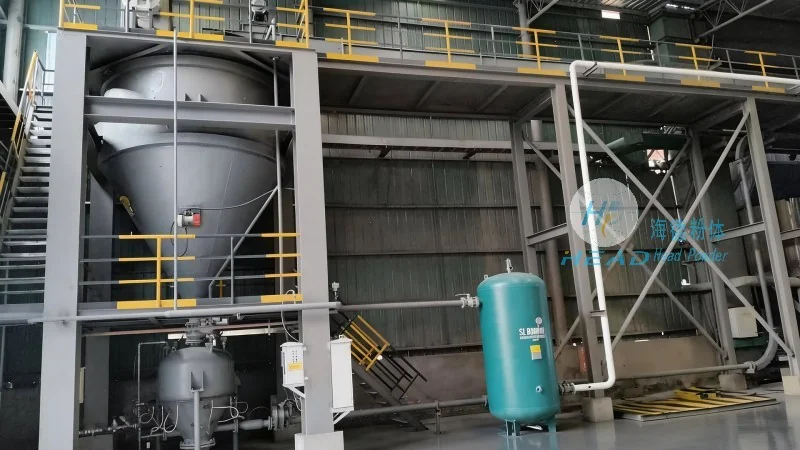
However, negative pressure conveying has several limitations. The primary drawback is its limited conveying distance and capacity. The suction force diminishes over longer distances, making it unsuitable for large-scale or long-distance transport. Moreover, the system requires careful maintenance to prevent blockages and ensure consistent airflow. Another concern is the potential for air leakage, which can lead to material loss and increased energy consumption.
Positive Pressure Conveying: Advantages and Disadvantages
Positive pressure conveying, or pressure conveying, works by blowing air or a carrier gas through the pipeline, pushing the material from the source to the destination. This method is ideal for applications requiring longer conveying distances or higher material throughput.
A major advantage of positive pressure conveying is its ability to handle longer distances and larger volumes of material. The pressurized air ensures consistent material flow, even in complex pipeline configurations. Additionally, this method is less susceptible to blockages compared to negative pressure systems, as the pressure helps to keep the material moving through the pipeline.
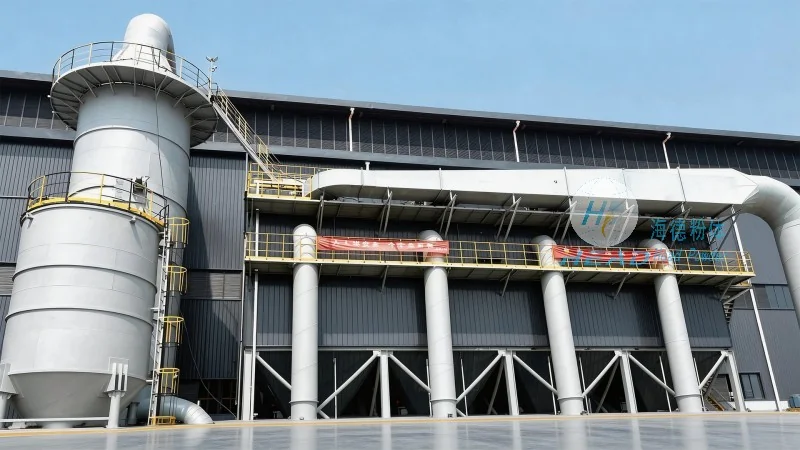
However, positive pressure conveying comes with higher energy costs due to the need for external air compression. The system also requires more robust equipment, such as high-pressure blowers and durable pipelines, which can increase initial investment and maintenance expenses. Another potential issue is the risk of material degradation due to friction and heat generation, especially with heat-sensitive products like cocoa powder.
Comparison and Selection Criteria
When deciding between negative pressure and positive pressure conveying for cocoa powder, several factors must be considered. The most critical factors include the conveying distance, material characteristics, and operational budget.
For short-distance transport of relatively dry cocoa powder, negative pressure conveying may be the more economical choice due to lower energy consumption and simpler equipment. However, for long-distance or high-volume applications, positive pressure conveying is often preferred despite higher costs, as it offers greater reliability and capacity.
Material characteristics also play a significant role. If the cocoa powder is prone to clumping or has high moisture content, negative pressure conveying may be more suitable to prevent material degradation. Conversely, if the material is dry and free-flowing, positive pressure conveying can handle larger volumes with less risk of blockages.
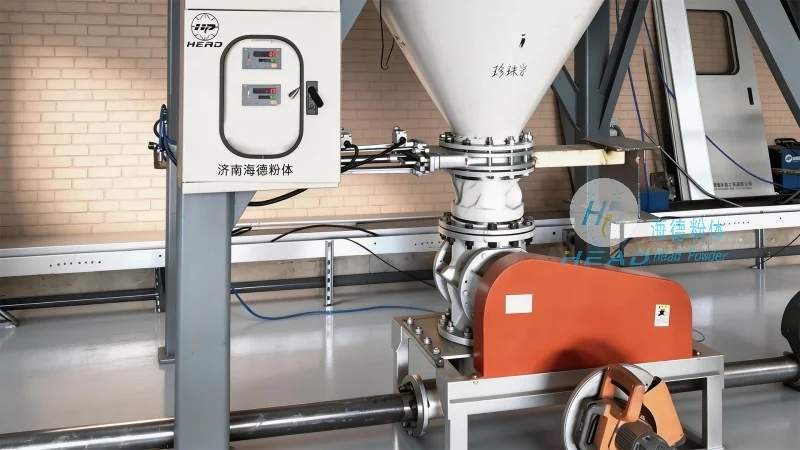
Operational budget is another key consideration. Negative pressure systems typically have lower upfront costs and energy expenses, making them attractive for smaller-scale operations. Positive pressure systems, while more expensive initially, may offer better long-term performance and lower maintenance costs for large-scale operations.
Conclusion
Both negative pressure and positive pressure conveying methods have their place in the cocoa powder industry, and the choice between them depends on specific operational requirements. Negative pressure conveying excels in short-distance, low-volume applications with its energy efficiency and ability to handle moisture-sensitive materials. Positive pressure conveying, on the other hand, is better suited for long-distance, high-volume transport with its reliability and capacity.
Companies like Shandong HeadPowder Engineering Co., Ltd. (commonly known as headpowder) specialize in designing and implementing customized pneumatic conveying solutions tailored to the unique needs of cocoa powder producers. By understanding the advantages and disadvantages of each method, stakeholders can select the most appropriate conveying system to ensure efficient, cost-effective, and high-quality cocoa powder handling.