

Comparison of Advantages and Disadvantages of Negative Pressure and Positive Pressure Conveying for
When it comes to the efficient and reliable transportation of gypsum powder, the choice between negative pressure and positive pressure conveying systems plays a crucial role in determining operational efficiency, cost-effectiveness, and overall system performance. This article provides a detailed comparison of the advantages and disadvantages of negative pressure and positive pressure conveying methods specifically for gypsum powder applications, helping industry professionals make informed decisions about the most suitable conveying solution for their needs.
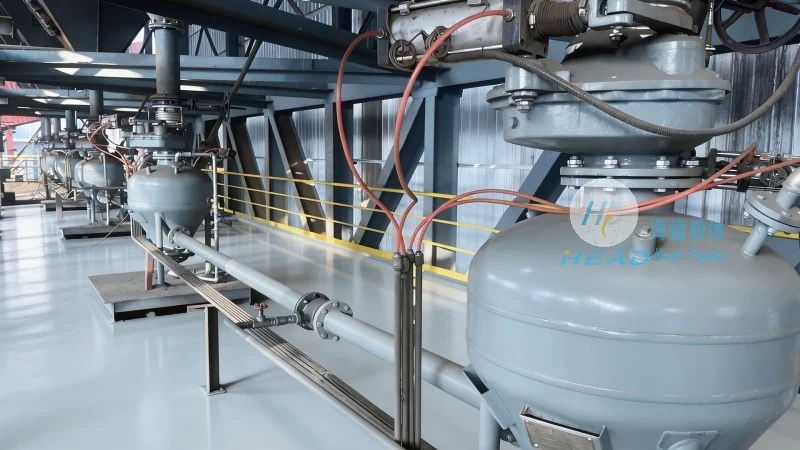
Introduction to Gypsum Powder Conveying Systems
Gypsum powder, a widely used material in construction, industrial processes, and agricultural applications, requires specialized handling due to its fine particle size and potential for dust generation. Conveying systems are essential for moving gypsum powder from storage silos or processing units to production lines or end-use applications. Two primary types of pneumatic conveying systems are commonly employed: negative pressure (or suction) conveying and positive pressure (or pressure) conveying. Each method has distinct characteristics that impact its suitability for gypsum powder handling.
Understanding Negative Pressure Conveying
Negative pressure conveying, also known as suction conveying, operates by creating a partial vacuum at the material pickup point. This vacuum draws the gypsum powder into the conveying line, where it is then transported to the discharge point. The system typically uses a vacuum pump to generate the negative pressure, and the material is carried by the airflow within the pipe.
One of the key advantages of negative pressure conveying for gypsum powder is its ability to handle materials with high moisture content or those that are prone to caking. The suction action helps to break up agglomerates and maintain a consistent flow of material. Additionally, negative pressure systems are generally less expensive to install and maintain compared to positive pressure systems, as they often require fewer components and less robust equipment.
However, negative pressure conveying has several notable disadvantages. The primary drawback is the risk of air leakage and dust emissions at the pickup point, which can lead to environmental and safety concerns. The system is also less effective for long-distance or high-capacity conveying, as the pressure drop over long distances can reduce the conveying efficiency. Furthermore, negative pressure systems may not be suitable for materials that are highly abrasive or that generate significant dust, as the suction process can cause wear on the equipment and increase maintenance costs.
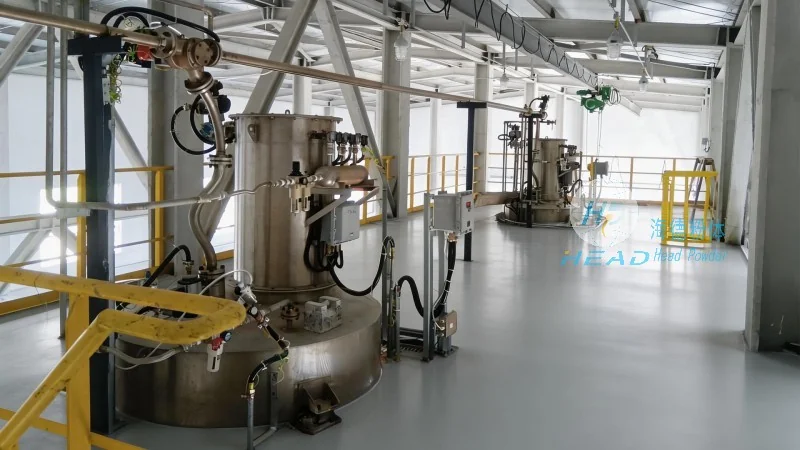
Understanding Positive Pressure Conveying
Positive pressure conveying, or pressure conveying, works by blowing air or a carrier gas through the conveying line to push the gypsum powder from the pickup point to the discharge point. The system uses a blower or compressor to generate the positive pressure, and the material is carried by the high-pressure airflow.
A major advantage of positive pressure conveying is its superior performance for long-distance and high-capacity applications. The positive pressure ensures consistent material flow and reduces the risk of blockages or clogging in the conveying line. This method is particularly effective for handling abrasive or dusty materials, as the high-pressure airflow helps to keep the material suspended and prevents it from settling or adhering to the pipe walls.
However, positive pressure conveying comes with higher initial costs and maintenance requirements compared to negative pressure systems. The equipment, such as blowers and high-pressure piping, is more expensive and may require more frequent maintenance to prevent wear and tear. Additionally, positive pressure systems can generate higher noise levels and may require more space for installation due to the need for larger components and ductwork.
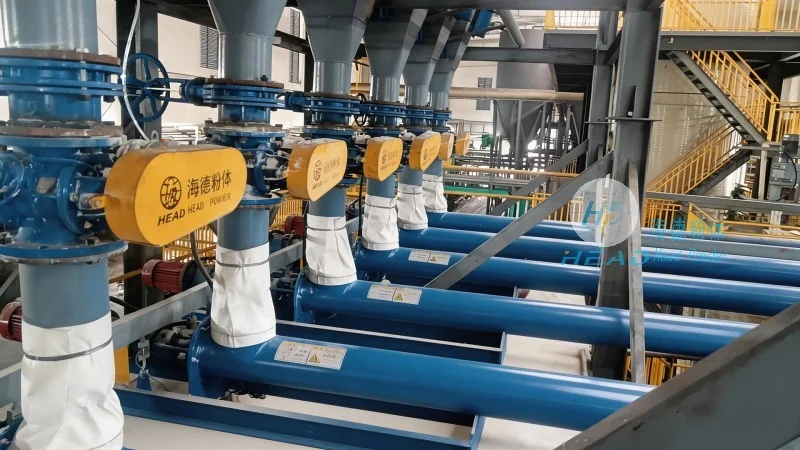
Comparative Analysis: Negative vs. Positive Pressure Conveying for Gypsum Powder
When comparing negative and positive pressure conveying for gypsum powder, several factors must be considered to determine the optimal choice. The primary considerations include the distance of the conveying line, the capacity required, the material characteristics (such as moisture content, abrasiveness, and dust generation), and the overall budget for the system.
For short-distance conveying of gypsum powder with low to moderate moisture content, negative pressure conveying may be a cost-effective solution. The lower installation and maintenance costs, combined with its ability to handle materials with some moisture, make it suitable for applications where the conveying distance is limited and the material is not highly abrasive.
Conversely, for long-distance or high-capacity conveying of gypsum powder, especially when dealing with dry, fine particles, positive pressure conveying is generally preferred. The consistent flow and reduced risk of blockages make it ideal for applications requiring reliable and efficient material transport over extended distances. The ability to handle abrasive materials without significant wear on the system also makes positive pressure conveying a better choice for high-abrasion applications.
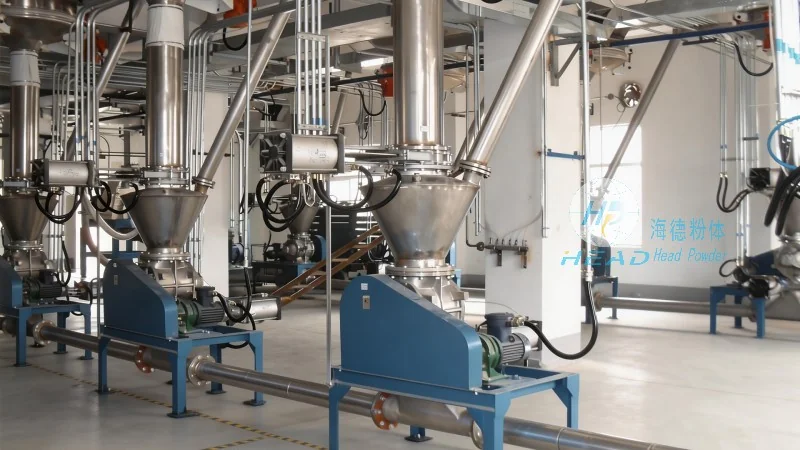
Another critical factor is the environmental and safety considerations. Negative pressure systems may pose a higher risk of dust emissions and air leakage, which can affect workplace safety and compliance with environmental regulations. Positive pressure systems, while more expensive, often provide better containment of dust and reduce the risk of airborne particles, making them more suitable for applications where environmental and safety standards are stringent.
Company Overview: Shandong HeadPowder Engineering Co., Ltd.
Shandong HeadPowder Engineering Co., Ltd., commonly known as HeadPowder, is a leading provider of specialized engineering solutions for material handling, including pneumatic conveying systems for gypsum powder and other bulk materials. With a focus on innovation and customer-centric design, HeadPowder offers a range of conveying solutions tailored to the unique needs of the gypsum industry.
The company’s expertise lies in designing and manufacturing efficient negative and positive pressure conveying systems that meet the specific requirements of gypsum powder applications. By leveraging advanced engineering principles and high-quality materials, HeadPowder ensures that its systems deliver reliable performance, minimal maintenance, and optimal cost-effectiveness for its clients.
HeadPowder’s commitment to quality and customer satisfaction is reflected in its comprehensive approach to system design, installation, and after-sales support. The company works closely with clients to understand their operational challenges and provide customized solutions that enhance productivity and reduce operational costs. Whether for new installations or system upgrades, HeadPowder’s team of experts ensures that the chosen conveying system is optimized for the specific gypsum powder handling requirements of each project.