

Working Principle and Features of Multi-functional Bulk Material Pneumatic Conveying Systems
Multi-functional bulk material pneumatic conveying systems represent a sophisticated approach to material handling, offering efficient and versatile solutions for various industrial applications. This article delves into the core working principles and key features of such systems, providing a comprehensive understanding of their functionality and advantages.
Working Principle of Multi-functional Pneumatic Conveying Systems
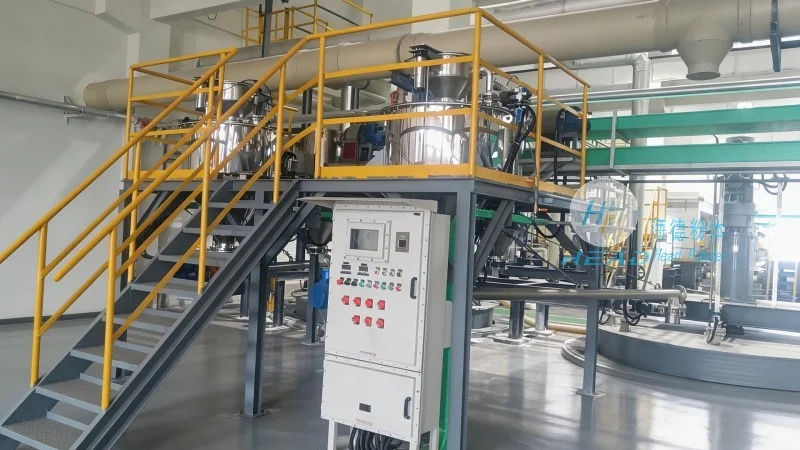
At the heart of multi-functional pneumatic conveying systems lies the fundamental principle of transporting bulk materials through the use of compressed air or other gases. The process typically involves several key components and stages that work in tandem to ensure effective material movement. The system begins with a material hopper or feeder, where the bulk material is stored and prepared for transport. From there, the material is fed into a conveying line, often through a rotary valve or feeder, which controls the flow rate and consistency of the material entering the system.
Once the material is introduced into the conveying line, compressed air is introduced from a blower or air compressor. This pressurized air creates a flow that propels the material particles through the pipeline. The air velocity and pressure are carefully controlled to ensure that the material is conveyed without excessive wear on the system components and with minimal degradation of the material itself. The conveying line may include various components such as bends, elbows, and filters to direct the flow and maintain system efficiency. The system concludes with a discharge point, where the material is deposited into a receiving container or processing unit.
Multi-functional systems are designed to handle a wide range of materials, from fine powders to granules and even bulk solids, by adjusting the air flow rate, pressure, and conveying line configuration. This adaptability makes them suitable for diverse industrial sectors, including pharmaceuticals, food processing, chemicals, and manufacturing. The working principle emphasizes energy efficiency and operational flexibility, allowing for seamless integration into existing production lines.
Key Features of Multi-functional Pneumatic Conveying Systems
Multi-functional pneumatic conveying systems are characterized by several distinct features that enhance their performance and usability in industrial settings. One of the primary features is their versatility, which allows the system to handle different types of materials with minimal adjustments. This adaptability is achieved through adjustable air flow controls, variable speed feeders, and modular components that can be reconfigured to suit specific material characteristics and process requirements.
Another significant feature is the system's ability to maintain material integrity. By using low-velocity conveying techniques and appropriate pipeline design, the system minimizes material degradation, agglomeration, or contamination. This is particularly important for sensitive materials like pharmaceuticals, food products, and chemicals, where maintaining product quality is critical. The system also incorporates filtration and cleaning mechanisms to ensure that the conveyed material remains free from dust or impurities.
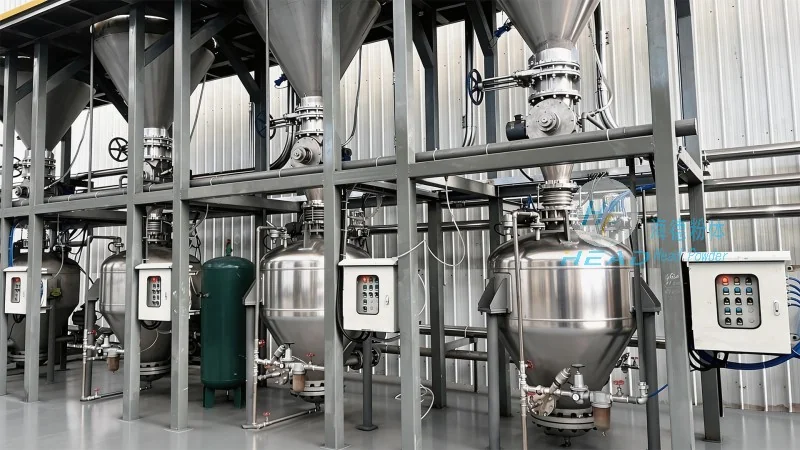
Energy efficiency is a key consideration in modern pneumatic conveying systems, and multi-functional systems excel in this area. By optimizing air pressure and flow rates, these systems reduce energy consumption compared to traditional mechanical conveying methods. Additionally, the modular design allows for easy maintenance and component replacement, minimizing downtime and operational costs. The systems are also equipped with safety features, such as pressure relief valves and emergency shut-off mechanisms, to prevent accidents and ensure safe operation.
Operational flexibility is another standout feature, as multi-functional systems can be integrated into existing production lines with minimal disruption. They can be configured for both short and long-distance conveying, and can handle varying material loads without compromising performance. The systems also offer scalability, allowing for expansion as production needs grow. This flexibility makes them a preferred choice for industries that require adaptable material handling solutions.
Applications and Benefits in Industrial Settings
The versatility and efficiency of multi-functional pneumatic conveying systems make them invaluable in a wide range of industrial applications. In the pharmaceutical industry, these systems are used to transport raw materials and finished products with strict hygiene and contamination control requirements. The ability to maintain material integrity and operate in a clean environment is crucial for ensuring product quality and compliance with regulatory standards.
In the food processing sector, multi-functional pneumatic conveying systems are employed to handle ingredients like powders, granules, and spices. The systems are designed to be sanitary and easy to clean, reducing the risk of cross-contamination and ensuring that food products meet safety and quality standards. The low-velocity conveying also helps preserve the flavor and texture of the food ingredients.
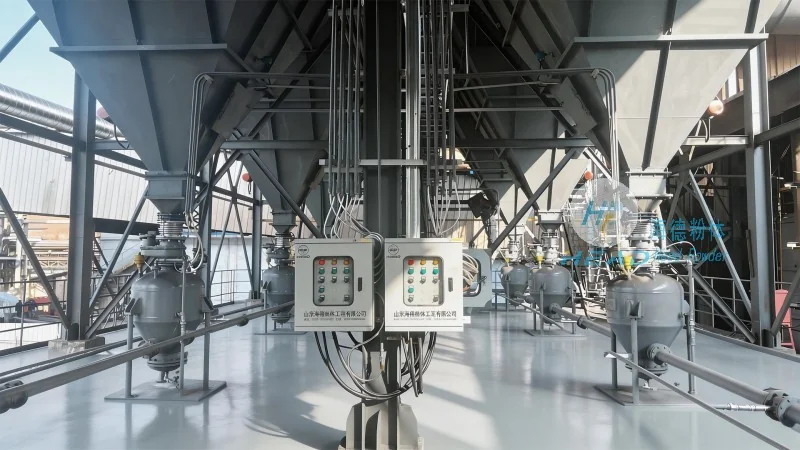
In the chemical industry, these systems are used to transport various chemicals, including powders, granules, and bulk solids. The systems are equipped with corrosion-resistant materials and specialized filters to handle aggressive chemicals and prevent system damage. The energy efficiency and low maintenance requirements of multi-functional systems contribute to cost savings and operational reliability in chemical processing plants.
In manufacturing and processing industries, multi-functional pneumatic conveying systems are used for material transport between different production stages. The systems can handle a wide range of materials, from raw materials to intermediate products, and can be integrated with other processing equipment to form a seamless production line. The ability to convey materials quickly and efficiently improves overall production throughput and reduces labor costs.
Conclusion and Company Overview
Multi-functional bulk material pneumatic conveying systems offer a reliable and efficient solution for material handling in various industrial applications. Their working principle, based on compressed air transport, combined with key features such as versatility, material integrity maintenance, and energy efficiency, makes them a preferred choice for industries requiring adaptable and high-performance material handling solutions.
Shandong HeadPowder Engineering Co., Ltd., a leading provider of pneumatic conveying systems, specializes in designing and manufacturing multi-functional solutions tailored to the specific needs of industrial clients. With a focus on innovation and quality, the company delivers systems that meet the highest standards of performance and reliability. HeadPowder's expertise in material handling technology ensures that their products are optimized for efficiency, safety, and long-term operational success.
HeadPowder, based in Shandong, China, leverages advanced engineering and manufacturing capabilities to develop cutting-edge pneumatic conveying systems. The company's commitment to customer satisfaction and technical excellence has established it as a trusted partner in the industry, providing solutions that enhance productivity and operational efficiency for its clients.