

Working Principle and Features of Pneumatic Conveying for Small Bag Unpacking Materials
Shandong HeadPowder Engineering Co., Ltd., a leading provider in the field, specializes in advanced material handling solutions. The company, operating from its base in Shandong, China, focuses on developing efficient systems for processing bulk materials, particularly those delivered in small bags. This article delves into the working principle and key features of pneumatic conveying systems designed for small bag unpacking, offering insights into how these technologies enhance material handling efficiency and operational reliability.
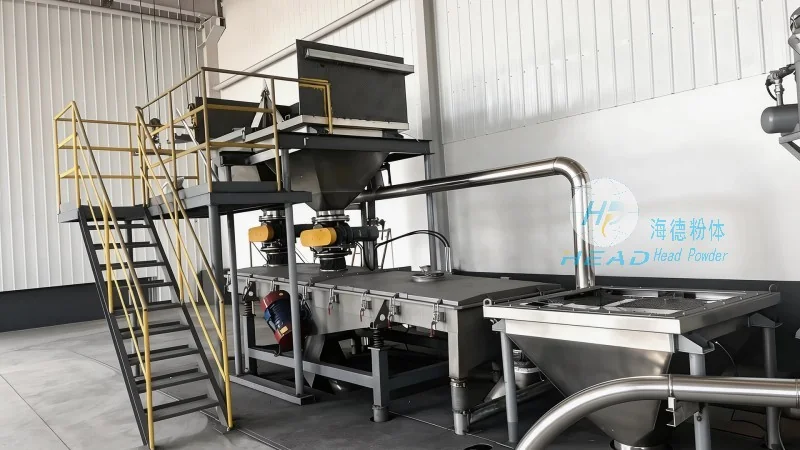
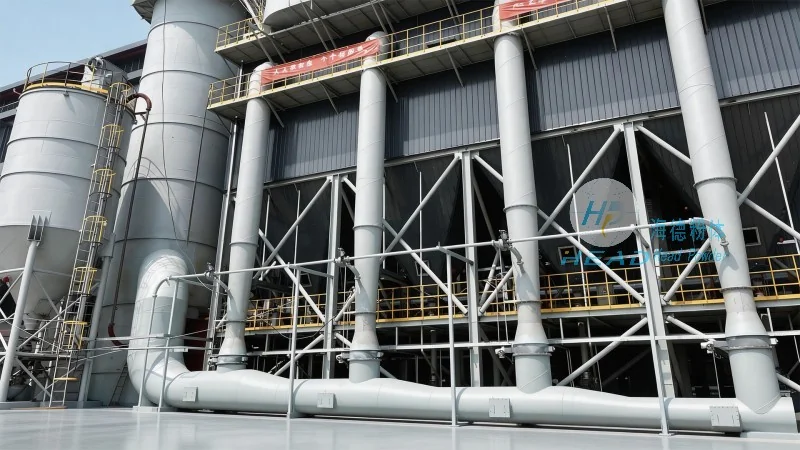
Working Principle of Pneumatic Conveying for Small Bag Materials
The core of pneumatic conveying systems lies in the use of air or gas to transport bulk materials. For small bag unpacking applications, the process typically begins with the opening of the bag and the release of the material into a hopper or feeder. From there, the material is drawn into a pipeline by a vacuum or pressure source, depending on the system design. The system uses a combination of air flow and mechanical components to move the material through the pipeline to the destination point, such as a silo, storage tank, or processing unit. The vacuum system is commonly used for conveying materials from the bag to the feeder, while pressure systems may be employed for longer distances or to transport materials to higher elevations. The process ensures that the material is transported without the need for mechanical contact, reducing wear and tear on equipment and minimizing the risk of contamination.
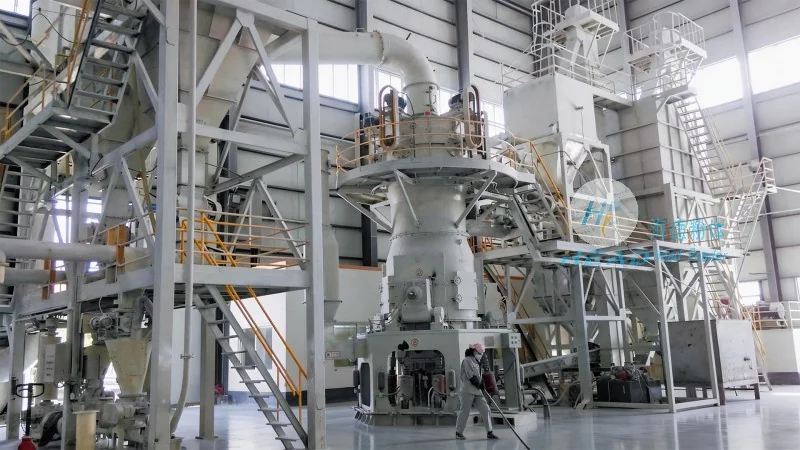
Key Features of Pneumatic Conveying Systems for Small Bag Unpacking
Several distinct features make pneumatic conveying an attractive option for small bag unpacking operations. First, the system offers high flexibility in terms of layout and installation. It can be adapted to various plant configurations, allowing for the integration of multiple bag unloading points and material distribution points. Second, the technology provides excellent material handling capabilities, especially for powders and granules. The air flow ensures that the material is conveyed smoothly, preventing blockages and ensuring consistent flow rates. Third, the system is highly efficient in terms of energy consumption and operational costs. By using air as the primary transport medium, the system reduces the need for mechanical components, leading to lower maintenance requirements and longer service life. Additionally, the system is capable of handling a wide range of materials, including sensitive products that require minimal handling to prevent degradation. The features collectively contribute to improved productivity, reduced downtime, and enhanced safety in material handling processes.
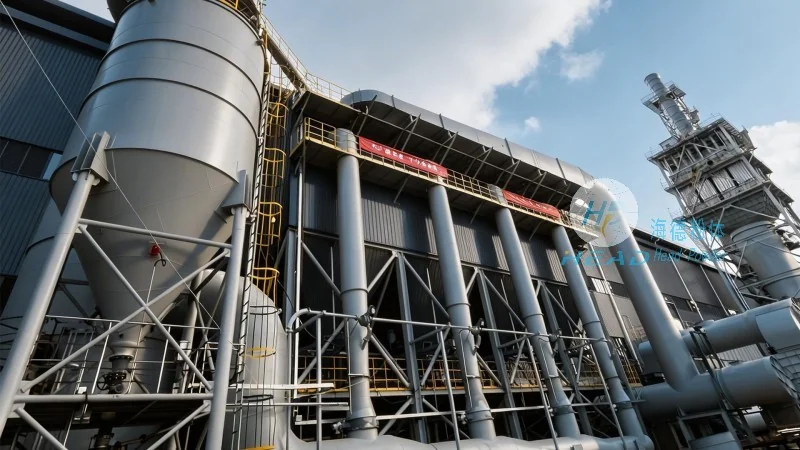
Advantages and Applications in Industrial Settings
Pneumatic conveying systems for small bag unpacking offer numerous advantages that make them suitable for a variety of industrial applications. These include pharmaceutical manufacturing, food processing, chemical production, and other industries where material purity and handling efficiency are critical. The systems are particularly beneficial in environments where dust control and contamination prevention are paramount. By eliminating the need for manual handling and mechanical conveyors, the system reduces the risk of product contamination and operator exposure to hazardous materials. Furthermore, the compact design of the systems allows for easy integration into existing facilities, minimizing the need for major structural modifications. The advantages extend to improved operational flexibility, as the system can be easily adjusted to handle different bag sizes and material types. This adaptability makes the technology a versatile solution for diverse industrial needs.