

Classification and Application Analysis of Molybdenum Oxide Pneumatic Conveying Systems
Molybdenum oxide, a critical industrial material, often requires efficient handling and transportation in various industrial processes. Pneumatic conveying systems have emerged as a preferred method for transporting molybdenum oxide due to their ability to handle fine powders and provide a dust-free environment. This article provides an overview of the classification of molybdenum oxide pneumatic conveying systems and their practical applications, focusing on the technical aspects and operational considerations.
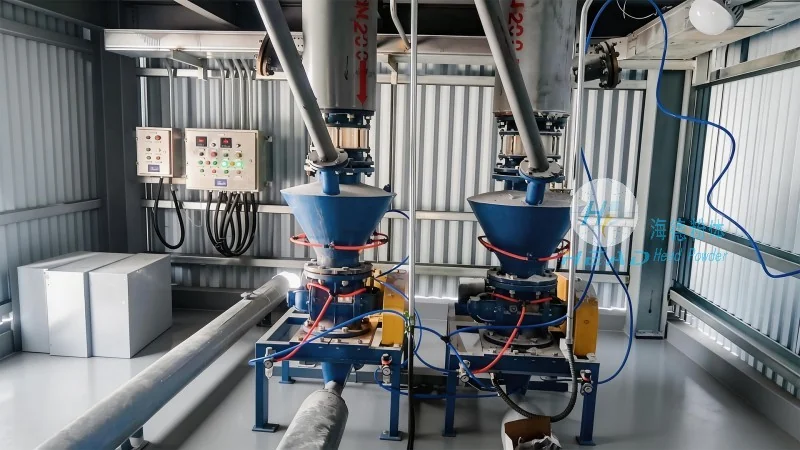
Key Classification of Molybdenum Oxide Pneumatic Conveying Systems
There are primarily two main categories of pneumatic conveying systems used for molybdenum oxide: dilute-phase and dense-phase systems. Each type has distinct characteristics and is suitable for different operational conditions.
Dilute-Phase Pneumatic Conveying systems operate by transporting the material in a dispersed state within the conveying air. This method is typically used for short to medium distance conveying and is suitable for materials with low to moderate dust explosion risks. The system uses high-velocity air to move the particles, ensuring a uniform flow. The key advantage of dilute-phase systems is their ability to handle large volumes of material with relatively low energy consumption. However, they may require larger duct sizes and are less effective for long-distance or high-density material transport.
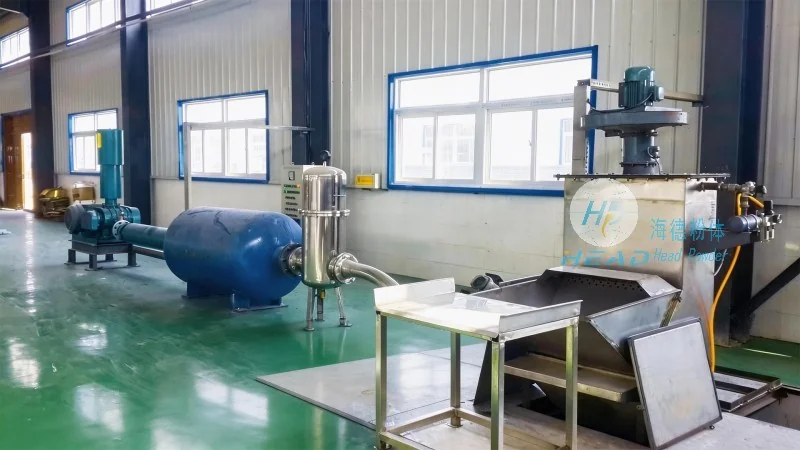
Dense-Phase Pneumatic Conveying systems, on the other hand, transport the material in a concentrated state, often with a higher material-to-air ratio. This method is ideal for long-distance conveying, high-density materials, and applications where product degradation or contamination must be minimized. Dense-phase systems use lower air velocities and higher pressure to move the material, resulting in a more stable and controlled flow. They are particularly suitable for molybdenum oxide, which may be sensitive to high-velocity air or require gentle handling to prevent agglomeration. The primary benefit of dense-phase systems is their ability to handle materials with higher bulk densities and reduce the risk of product degradation during transport.
Application Analysis of Molybdenum Oxide Pneumatic Conveying Systems
The application of molybdenum oxide pneumatic conveying systems varies across different industrial sectors, including mining, metallurgy, and chemical processing. The choice of system depends on factors such as material properties, conveying distance, and process requirements.
In the mining industry, molybdenum oxide is often extracted from ore and needs to be transported from the extraction site to processing facilities. Pneumatic conveying systems are used to move the fine molybdenum oxide powder from crushers and grinding mills to storage silos or further processing units. The dilute-phase systems are commonly employed for short-distance conveying within the mine site, while dense-phase systems may be used for longer distances to the processing plant. The efficiency of these systems ensures that the material is transported without loss or contamination, maintaining the quality of the ore.
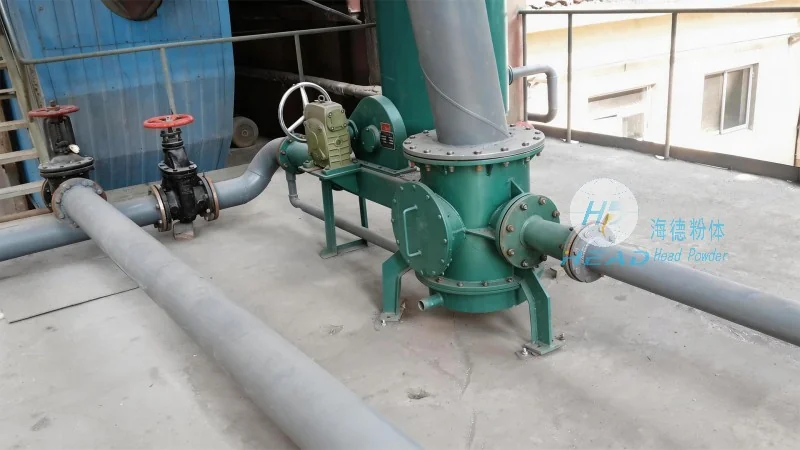
In the metallurgical industry, molybdenum oxide is used as a raw material in the production of molybdenum metal and alloys. The pneumatic conveying systems play a crucial role in transporting the oxide from storage to the smelting furnaces. The dense-phase systems are preferred in this application due to the need for gentle handling and minimal product degradation. The controlled flow in dense-phase systems ensures that the molybdenum oxide reaches the furnace in a consistent and uniform manner, optimizing the smelting process and improving the quality of the final metal product.
In the chemical processing industry, molybdenum oxide is used as a catalyst or additive in various chemical reactions. The pneumatic conveying systems are used to transport the fine powder from storage to reactors or other processing equipment. The dilute-phase systems are often used for short-distance conveying within the chemical plant, as they are cost-effective and can handle large volumes of material. However, for applications where the material is sensitive to air exposure or requires precise dosing, dense-phase systems are preferred. The ability of dense-phase systems to provide a controlled and stable flow ensures accurate dosing and reduces the risk of material agglomeration or clogging in the reactors.
Operational Considerations and Maintenance
Effective operation of molybdenum oxide pneumatic conveying systems requires careful consideration of several factors. Material properties, such as particle size, density, and moisture content, significantly impact the system's performance. For molybdenum oxide, which is typically a fine powder, the system must be designed to handle the high dust load and prevent clogging. Proper filtration and cleaning of the conveying lines are essential to maintain system efficiency and prevent material buildup.
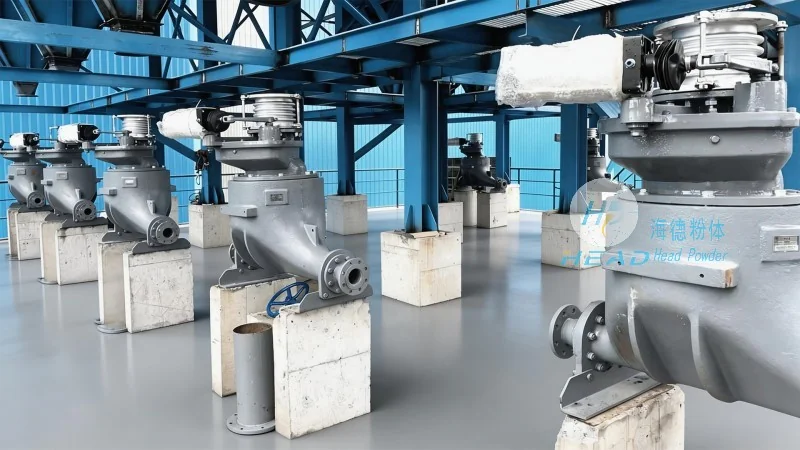
System design and sizing are critical for optimal performance. The selection of the appropriate air velocity and pressure depends on the material's characteristics and the conveying distance. Overly high air velocities can lead to increased energy consumption and potential product degradation, while insufficient air velocity may cause clogging or uneven flow. Regular maintenance, including inspection of components like airlocks, cyclones, and filters, is necessary to ensure the system operates efficiently and reliably. For molybdenum oxide systems, this includes checking for wear and tear on the conveying lines and replacing worn parts promptly to prevent material leakage or system failure.
Conclusion
Molybdenum oxide pneumatic conveying systems offer a reliable and efficient method for transporting this critical industrial material. The classification into dilute-phase and dense-phase systems allows for selection based on specific operational requirements, ensuring optimal performance and material handling. By understanding the characteristics and applications of these systems, industries can enhance their processing efficiency and maintain product quality. As a leading provider in this field, Shandong HeadPowder Engineering Co., Ltd. specializes in designing and manufacturing customized pneumatic conveying solutions tailored to the unique needs of molybdenum oxide handling, ensuring safe and efficient material transport in various industrial applications.