

Working Principle and Characteristics of Multi-Point Feeding Material Pneumatic Conveying
Multi-point feeding material pneumatic conveying is a sophisticated system used in various industrial applications to transport bulk materials from multiple sources to a central processing unit. This technology, provided by Shandong HeadPowder Engineering Co., Ltd., based in Shandong, China, offers efficient and reliable material handling solutions. The following sections will delve into the working principle and key characteristics of this system.
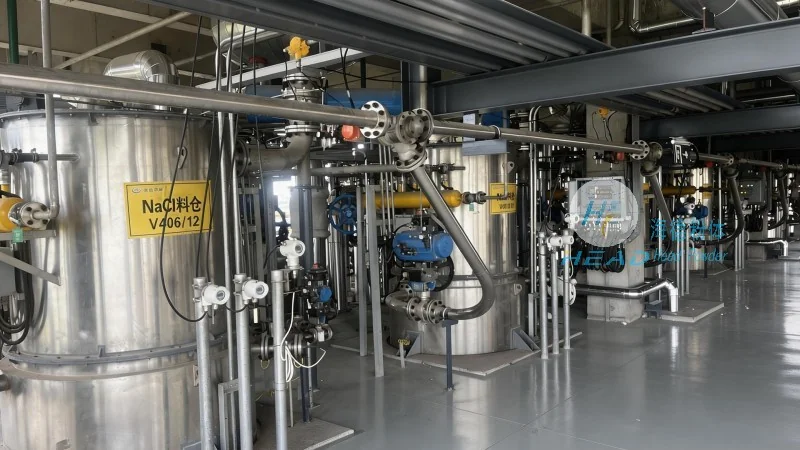
Working Principle of Multi-Point Feeding Material Pneumatic Conveying
The core of the multi-point feeding material pneumatic conveying system lies in its ability to draw materials from several feeding points simultaneously and transport them through a network of pipes to a central receiver or processing station. The process typically involves a combination of positive and negative pressure air flow, depending on the specific design and material characteristics. At each feeding point, a feeder or hopper is equipped with an airlock or rotary valve that controls the material discharge into the conveying line. The air compressor generates the necessary air pressure, which is then distributed through the pipeline network. As the air flows through the pipes, it entrains the material particles, forming a dense phase or dilute phase stream, depending on the system configuration. The material is then transported to the destination, where it is separated from the air and collected in a hopper or silo. The system's control system monitors the pressure, flow rate, and material level at each point to ensure smooth operation and prevent blockages or overloading.
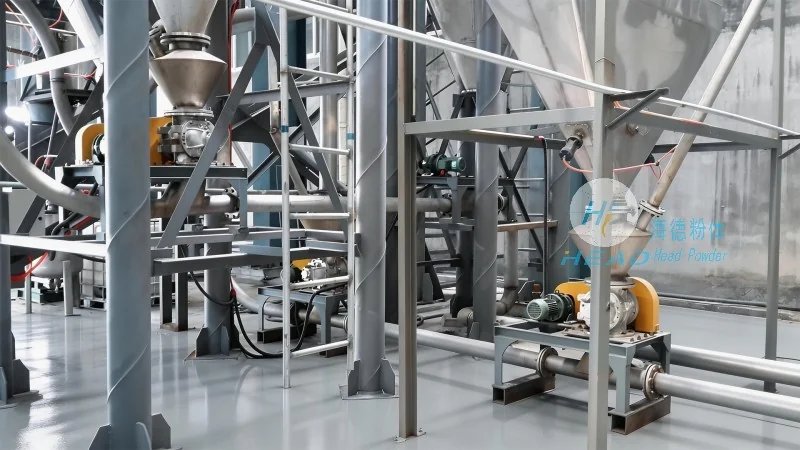
Key Characteristics of Multi-Point Feeding Material Pneumatic Conveying
Multi-point feeding material pneumatic conveying systems exhibit several notable characteristics that make them suitable for diverse industrial needs. Firstly, the system's flexibility allows for the integration of multiple feeding sources, enabling the simultaneous handling of different materials or the same material from various locations. This flexibility is crucial in applications where materials are sourced from different points within a facility or from external suppliers. Secondly, the system provides a high level of efficiency in material transport, with low energy consumption compared to traditional mechanical conveying methods. The use of air as the conveying medium reduces the need for moving parts at the material discharge points, minimizing maintenance requirements and downtime. Thirdly, the system offers excellent material handling capabilities, particularly for dusty or abrasive materials. The enclosed pipeline system prevents dust emissions and protects the material from contamination or degradation. Additionally, the system can handle a wide range of material types, including powders, granules, and bulk solids, with varying particle sizes and densities. The design of the system can be customized to accommodate specific material properties, ensuring optimal performance and longevity. Fourthly, the multi-point feeding system enhances operational safety by reducing the need for manual handling of bulk materials. The automated feeding and conveying process minimizes human exposure to hazardous materials and reduces the risk of accidents associated with manual material transfer. Finally, the system provides accurate and consistent material flow control, which is essential for maintaining process stability and product quality. The control system can adjust the air pressure and flow rate in real-time to match the material feed rate, ensuring that the receiving hopper is filled at a controlled rate without overfilling or underfilling.
Applications and Benefits in Industrial Settings
Multi-point feeding material pneumatic conveying systems are widely used in various industries, including pharmaceuticals, food processing, chemical manufacturing, and mining. In the pharmaceutical industry, the system is used to transport active pharmaceutical ingredients (APIs) and excipients from multiple storage bins to a production line, ensuring that the materials are handled in a sterile and controlled environment. The enclosed system prevents contamination and maintains the purity of the materials, which is critical for pharmaceutical products. In the food processing industry, the system is used to transport grains, powders, and other food ingredients from different storage areas to a processing plant. The system's ability to handle food-grade materials and maintain hygiene standards makes it an ideal choice for food processing applications. In the chemical manufacturing industry, the system is used to transport chemicals, powders, and bulk solids from various production units to a central storage or processing facility. The system's robust design and ability to handle abrasive materials make it suitable for harsh chemical environments. In the mining industry, the system is used to transport ore and other minerals from different mining sites to a processing plant. The system's high capacity and ability to handle large volumes of material make it an efficient solution for mining operations. The benefits of using multi-point feeding material pneumatic conveying systems in these applications include improved productivity, reduced labor costs, enhanced safety, and better material quality control. The system's flexibility and adaptability to different industrial needs make it a versatile solution for material handling in various sectors.
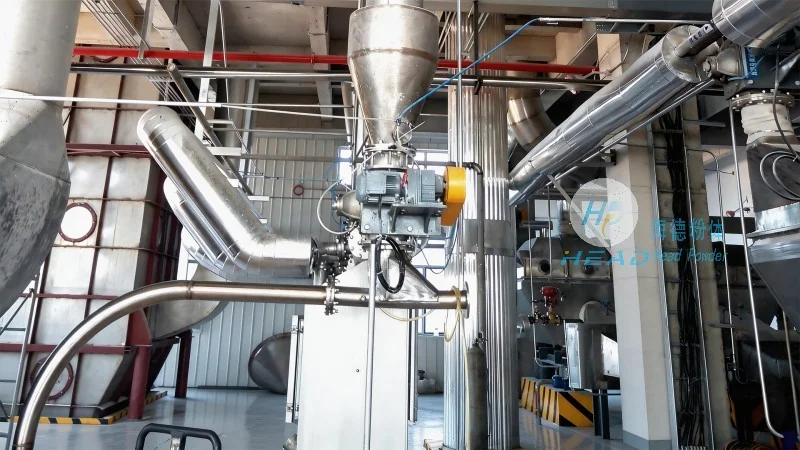
Conclusion
Multi-point feeding material pneumatic conveying systems, as provided by Shandong HeadPowder Engineering Co., Ltd., offer a reliable and efficient solution for bulk material handling in industrial applications. The system's working principle, which involves simultaneous feeding from multiple points and air-based transport, ensures high material throughput and low energy consumption. The key characteristics of the system, including flexibility, efficiency, material handling capabilities, operational safety, and accurate flow control, make it suitable for diverse industrial needs. The applications of this system in various industries, such as pharmaceuticals, food processing, chemical manufacturing, and mining, demonstrate its versatility and effectiveness. By integrating this technology, industries can enhance their operational efficiency, improve product quality, and reduce costs associated with material handling. Shandong HeadPowder Engineering Co., Ltd., with its headquarters in Shandong, China, specializes in providing customized material handling solutions that meet the specific requirements of different industrial sectors. The company's expertise in designing and manufacturing multi-point feeding material pneumatic conveying systems ensures that clients receive high-quality equipment that is tailored to their unique needs.