

[W]Working Principle and Characteristics of Pneumatic Conveying for Bulk Materials in Silos
Efficient material handling is a critical aspect of modern industrial operations, especially when dealing with bulk materials stored in silos. Pneumatic conveying systems have emerged as a highly effective solution for transporting these materials from storage silos to processing units or other destinations. This article explores the working principle and key characteristics of pneumatic conveying for bulk materials in silos, highlighting how such systems enhance operational efficiency and safety.
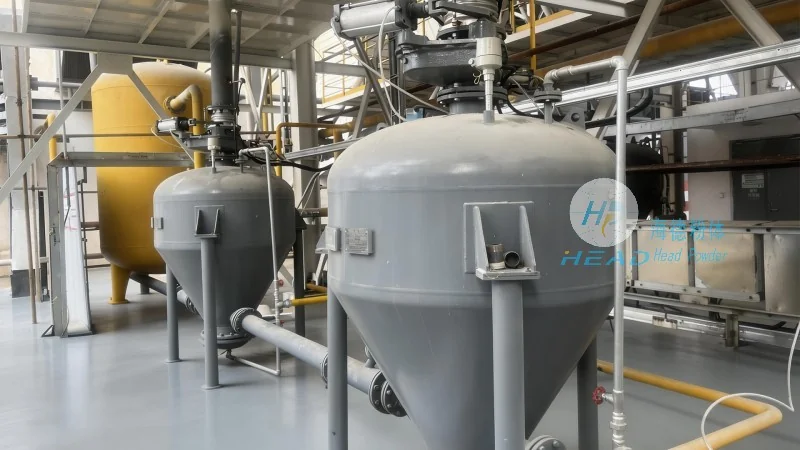
Understanding the Working Principle of Pneumatic Conveying in Silos
Pneumatic conveying in silos operates by using compressed air or gas to transport bulk materials through a pipeline network. The process typically involves several key components, including a silo, a conveying line, a dust collector, and a discharge point. The working principle can be categorized into two main types: suction (or negative pressure) conveying and pressure (or positive pressure) conveying.
In suction conveying, a vacuum is created at the material discharge point, drawing the material into the conveying line along with the air. This method is often used for short to medium distances and is suitable for handling materials that are not highly abrasive or that require gentle handling. The vacuum is generated by a fan or an air mover located at the end of the conveying line, which pulls the material from the silo and transports it to the desired location.
On the other hand, pressure conveying uses compressed air to push the material through the pipeline. The material is loaded into the conveying line from the silo under pressure, and the air then propels it to the discharge point. This method is ideal for longer distances and for materials that are more abrasive or require higher pressure to move. The pressure is maintained by a blower or compressor located at the start of the conveying system.
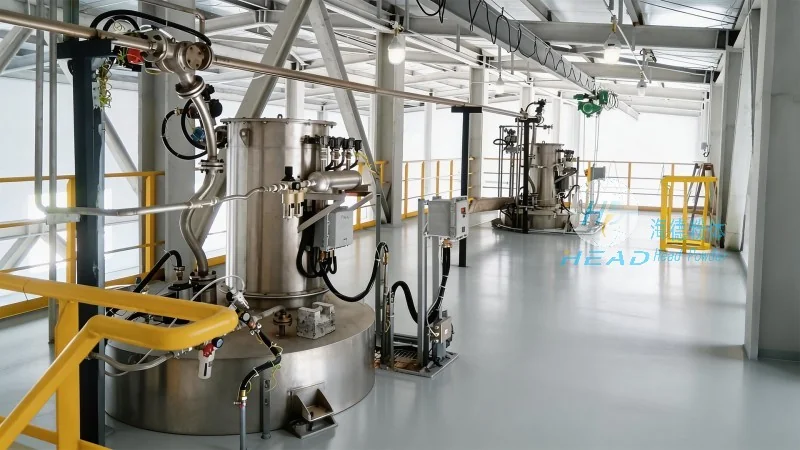
Key Characteristics of Pneumatic Conveying Systems in Silos
Several distinct characteristics make pneumatic conveying an attractive option for silo-based material handling. Firstly, it offers a high degree of flexibility in terms of layout and system design. The conveying lines can be arranged in various configurations, including straight, curved, or even vertical sections, allowing for integration with existing silo structures and processing equipment.
Secondly, pneumatic conveying systems provide excellent material containment and dust control. Unlike mechanical conveyors, which may generate dust and cause material spillage, pneumatic systems enclose the material within the pipeline, minimizing environmental impact and ensuring compliance with safety regulations. This feature is particularly important in industries where dust is a health hazard or where material loss needs to be prevented.
Thirdly, these systems are capable of handling a wide range of bulk materials, from fine powders to granules and even bulk solids with varying moisture content. The ability to handle diverse materials without the need for multiple types of equipment makes pneumatic conveying a versatile solution for many industrial applications.
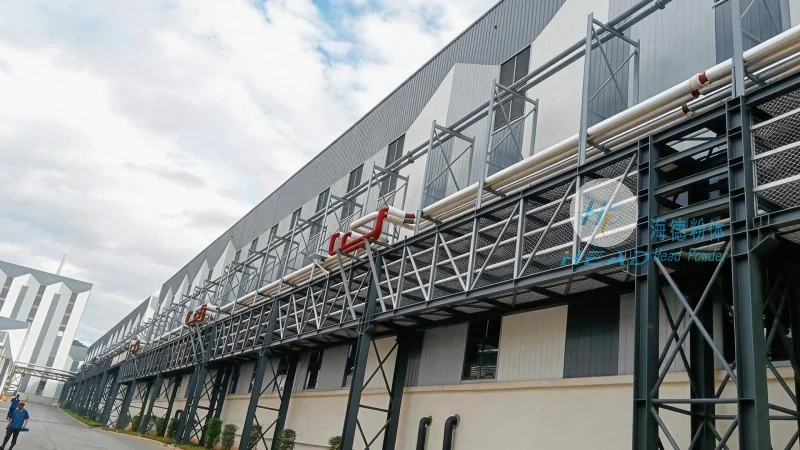
Another significant characteristic is the efficiency and speed of material transport. Pneumatic systems can move materials at high velocities, reducing the overall time required for material transfer compared to traditional methods such as bucket elevators or belt conveyors. This efficiency translates into increased productivity and reduced downtime in industrial operations.
How Shandong HeadPowder Engineering Co., Ltd. Enhances Pneumatic Conveying Solutions
Shandong HeadPowder Engineering Co., Ltd., a leading provider of bulk material handling solutions, specializes in designing and manufacturing advanced pneumatic conveying systems tailored to the specific needs of silo operations. With a focus on innovation and customer-centric design, HeadPowder leverages decades of industry experience to deliver reliable and efficient solutions that meet the demands of modern industrial processes.
HeadPowder's expertise lies in understanding the unique challenges of material handling in silos, such as material variability, silo size, and operational conditions. By conducting thorough site assessments and material analysis, the company's engineers develop customized pneumatic conveying systems that optimize performance and minimize operational costs. These systems are built with high-quality components, ensuring durability and long-term reliability, even in harsh industrial environments.
The company's commitment to quality is reflected in its adherence to international standards and rigorous testing protocols. Each pneumatic conveying system is designed to meet or exceed industry requirements for safety, efficiency, and environmental compliance. This ensures that clients can rely on HeadPowder's solutions to enhance their material handling processes while maintaining operational excellence.
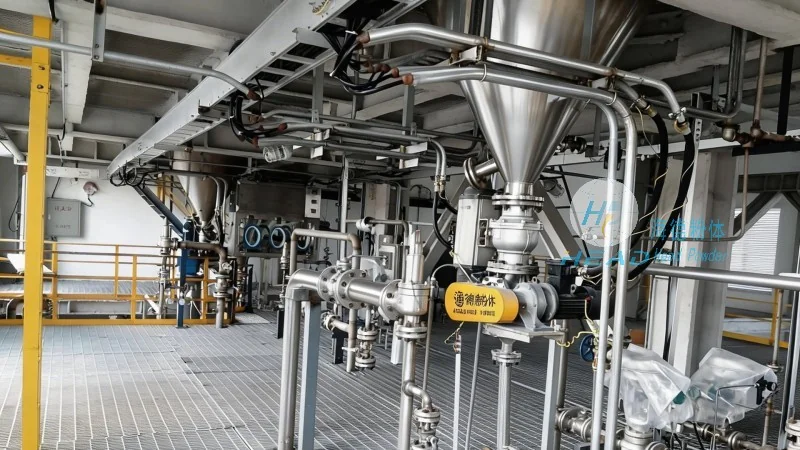
For businesses seeking to improve their silo-based material handling operations, HeadPowder offers comprehensive services, including system design, installation, and maintenance. By partnering with HeadPowder, companies can benefit from tailored solutions that address their specific needs, whether it's increasing throughput, reducing material loss, or enhancing workplace safety.
Conclusion: The Advantages of Pneumatic Conveying in Silo Applications
In conclusion, pneumatic conveying systems offer a superior approach to handling bulk materials in silos, combining efficiency, flexibility, and safety. The working principle, which involves the use of compressed air or vacuum to transport materials through pipelines, enables seamless integration with existing silo structures and processing equipment. The key characteristics of these systems, including material containment, versatility, and high transport efficiency, make them an ideal choice for a wide range of industrial applications.
As a trusted partner in bulk material handling, Shandong HeadPowder Engineering Co., Ltd. continues to lead the way in developing advanced pneumatic conveying solutions that meet the evolving needs of modern industry. By leveraging its expertise and commitment to quality, HeadPowder helps businesses optimize their material handling processes, enhance productivity, and ensure long-term operational success.