

Working Principle and Characteristics of Pneumatic Conveying for Sugar Cane Molasses Materials
HeadPowder, a leading engineering firm based in Shandong, China, specializes in the design and implementation of advanced material handling solutions. One of their key offerings is the pneumatic conveying system tailored for sugar cane molasses materials. This article delves into the working principle and distinctive characteristics of such systems, providing a comprehensive overview for industry professionals seeking efficient and reliable material transport solutions.
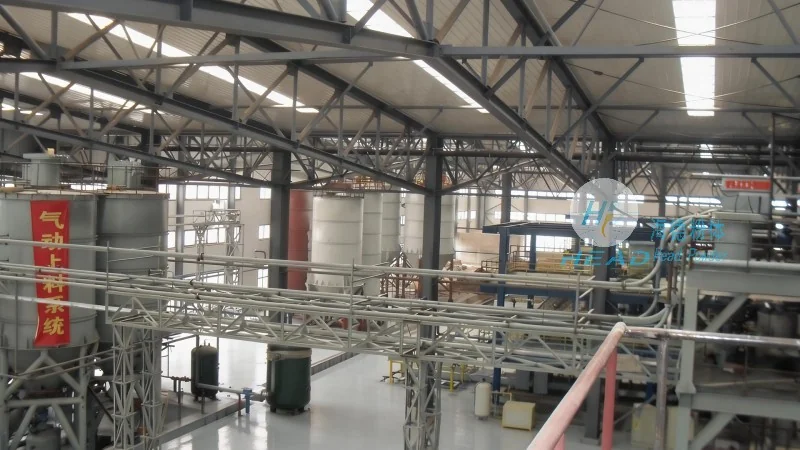
Working Principle of Pneumatic Conveying for Sugar Cane Molasses Materials
Pneumatic conveying systems operate by utilizing air or gas to transport bulk materials through a pipeline network. In the context of sugar cane molasses, which is a viscous, high-density liquid or semi-solid material, specialized equipment is employed to ensure effective and continuous transport. The process typically involves several key components and steps:
First, the molasses material is introduced into the conveying system, often through a hopper or feeder. A fan or blower then generates the necessary airflow, creating a pressure differential within the pipeline. This airflow propels the molasses material forward, moving it from the source to the destination. The system may use either positive pressure (where air is pushed through the line) or negative pressure (where air is drawn out, creating a vacuum). For sugar cane molasses, positive pressure systems are commonly preferred due to the material's viscosity and the need to maintain consistent flow rates.
Key components of the system include the material feed unit, the air supply unit (fan or blower), the conveying pipeline, and the discharge unit. The feed unit ensures a steady supply of molasses, while the fan provides the required air pressure. The pipeline, often made of corrosion-resistant materials like stainless steel or specialized plastic, is designed to withstand the chemical properties of molasses and prevent clogging. The discharge unit then releases the molasses at the target location, such as a storage tank or processing facility.
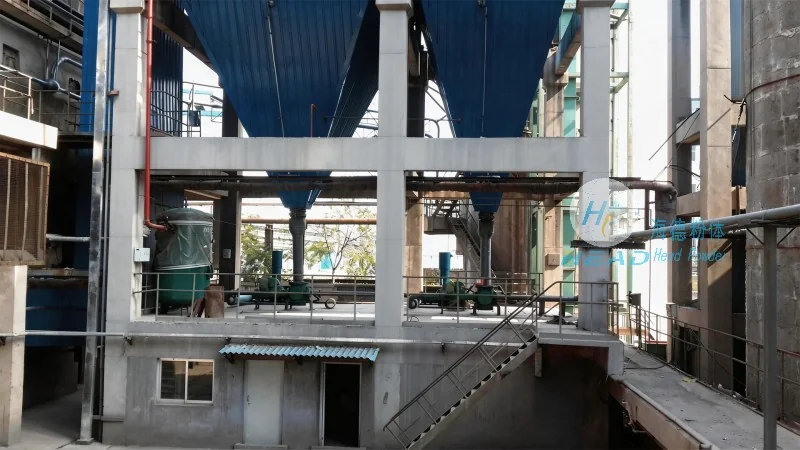
Characteristics of Pneumatic Conveying Systems for Sugar Cane Molasses
The pneumatic conveying systems for sugar cane molasses exhibit several notable characteristics that make them advantageous in industrial applications. These features address the unique challenges posed by molasses, including its high viscosity, tendency to clog, and the need for hygienic handling:
1. **Efficient Material Transport**: Pneumatic conveying offers a continuous and uniform flow of molasses, minimizing downtime and ensuring consistent supply to downstream processes. Unlike traditional methods like bucket elevators or screw conveyors, which may experience blockages or uneven flow, the air-driven system maintains a smooth and reliable transport path.
2. **Hygienic and Sanitary Design**: HeadPowder's systems are engineered with hygienic considerations in mind. The use of smooth, easy-to-clean surfaces and corrosion-resistant materials prevents contamination and ensures compliance with food safety regulations. This is particularly critical in the sugar industry, where product purity is paramount.
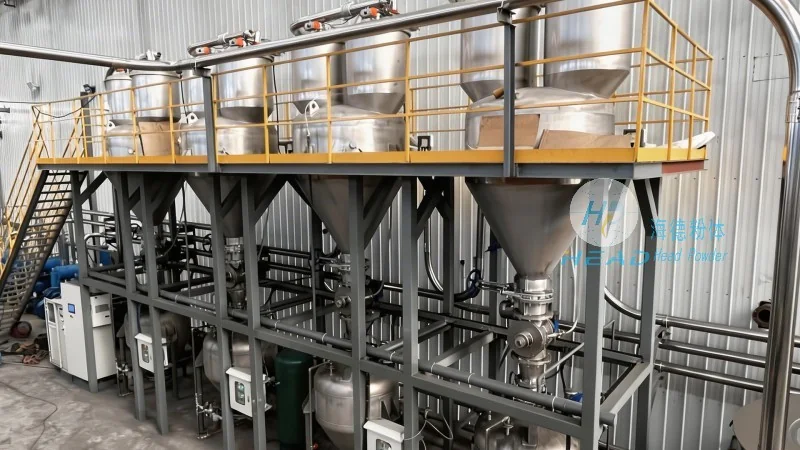
3. **Low Maintenance Requirements**: Compared to mechanical conveyors, pneumatic systems have fewer moving parts, reducing the risk of wear and tear. The absence of gears, chains, or belts minimizes maintenance needs, leading to lower operational costs and increased system reliability.
4. **Flexibility in Layout**: Pneumatic conveying systems can be easily adapted to various plant layouts. The ability to install horizontal, vertical, or curved pipelines allows for the optimization of space and the integration of the system with existing infrastructure. This flexibility is especially valuable in sugar processing plants, where space constraints are common.
5. **Energy Efficiency**: Modern pneumatic conveying systems are designed to be energy-efficient. Advanced fan technology and optimized airflow management reduce energy consumption while maintaining the required pressure levels. This contributes to lower operational costs and a smaller environmental footprint.
Application and Implementation by Shandong HeadPowder Engineering Co., Ltd.
Shandong HeadPowder Engineering Co., Ltd., headquartered in Shandong, China, has extensive experience in designing and installing pneumatic conveying systems for sugar cane molasses. The company's expertise lies in customizing solutions to meet the specific needs of each client, ensuring that the system aligns with production capacity, material characteristics, and operational requirements.
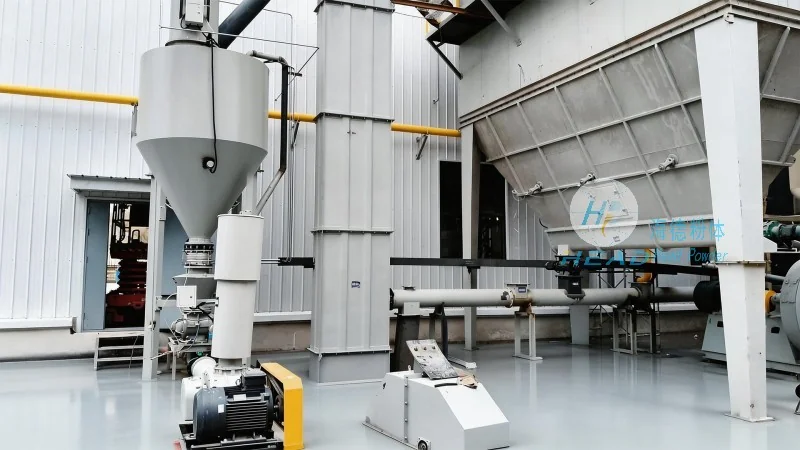
HeadPowder's engineers conduct thorough site assessments and material analysis to determine the most suitable conveying method and equipment configuration. This includes evaluating the viscosity of the molasses, the distance and elevation changes between the source and destination, and the required flow rate. The resulting system is tailored to maximize efficiency while minimizing downtime and maintenance.
The company's commitment to quality and innovation is reflected in its use of advanced materials and components. For example, the pipelines are often made of stainless steel or high-grade plastic, which resist corrosion and prevent the buildup of molasses residues. The fan units are equipped with variable speed drives, allowing for precise control of airflow and pressure, thereby optimizing energy usage.
Conclusion
Pneumatic conveying systems for sugar cane molasses materials represent a sophisticated and efficient solution for material handling in the sugar industry. By leveraging the principles of air-driven transport, these systems offer numerous advantages, including efficient transport, hygienic design, low maintenance, and flexibility. Shandong HeadPowder Engineering Co., Ltd., with its headquarters in Shandong, China, stands as a trusted partner in implementing such systems, providing tailored solutions that enhance operational efficiency and product quality.