

Working Principle and Characteristics of Pneumatic Conveying for Calcined Ash Materials
For industrial applications involving calcined ash materials, efficient material handling is crucial. Pneumatic conveying systems offer a reliable solution for transporting these materials, ensuring safety, efficiency, and minimal environmental impact. This article explores the working principle and key characteristics of pneumatic conveying for calcined ash materials, highlighting the technology's advantages and practical applications.
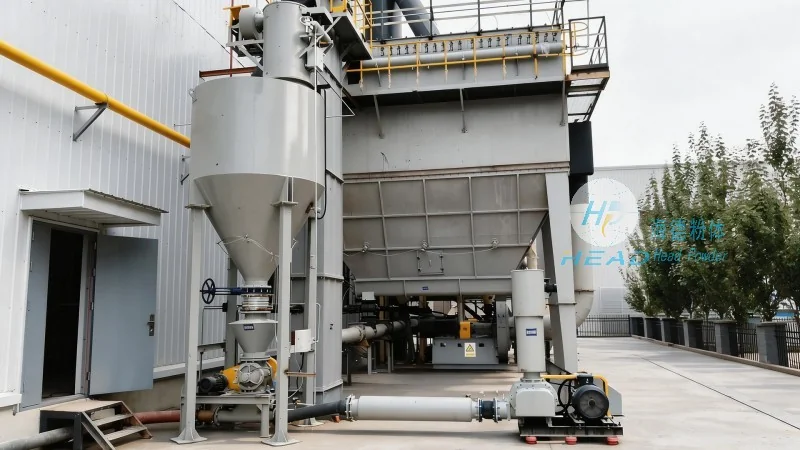
Working Principle of Pneumatic Conveying for Calcined Ash Materials
The pneumatic conveying system for calcined ash materials operates by utilizing a stream of air to transport the material particles through a pipeline. The process typically involves several key components, including a material feeder, a conveying line, and a receiver. The material is introduced into the system at a controlled rate, and the air flow, generated by a blower or fan, propels the particles forward. The air velocity is maintained above the material's terminal velocity to ensure stable transport, preventing particle deposition or blockages. The system may employ different conveying modes, such as dilute-phase or dense-phase, depending on the material properties and application requirements. Dilute-phase conveying uses higher air velocities to transport materials in a dispersed state, while dense-phase conveying employs lower velocities with higher material concentration, offering better control over material discharge.
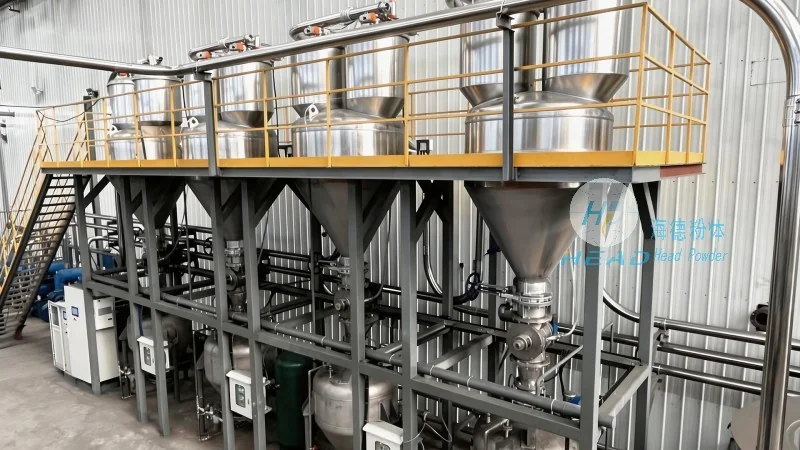
Key Characteristics of Pneumatic Conveying for Calcined Ash Materials
Several distinct characteristics define the performance of pneumatic conveying systems for calcined ash materials. First, the system provides a dust-free and enclosed transport environment, which is essential for maintaining air quality and preventing material contamination. This enclosed design also minimizes the risk of material spillage and environmental exposure. Second, pneumatic conveying offers high flexibility in terms of layout and integration with existing industrial processes. The system can be easily adapted to various plant configurations, allowing for horizontal, vertical, or combined transport paths. Third, the technology enables precise control over material flow rates and pressure, ensuring consistent and reliable delivery to the destination. This control is critical for maintaining process stability and meeting production demands. Fourth, the system is relatively compact and can be installed in confined spaces, making it suitable for facilities with limited floor space. Additionally, pneumatic conveying systems are generally low-maintenance, with fewer moving parts compared to mechanical conveying systems, reducing operational costs and downtime.
Application Benefits and Considerations
Implementing pneumatic conveying for calcined ash materials brings several benefits to industrial operations. The enclosed system reduces dust emissions, improving workplace safety and compliance with environmental regulations. It also minimizes material loss and degradation during transport, preserving the quality of the calcined ash. The flexibility of the system allows for seamless integration with other processing equipment, such as storage silos, mixers, or reactors. However, certain considerations must be addressed when selecting or operating a pneumatic conveying system for calcined ash materials. The material's particle size, density, and moisture content significantly affect the system's performance, requiring careful selection of air velocity and conveying mode. Additionally, the system's capacity and pressure requirements must be matched to the specific application to avoid inefficiencies or equipment damage. Proper maintenance, including regular cleaning of the conveying line and blower maintenance, is essential to ensure long-term reliability and performance.
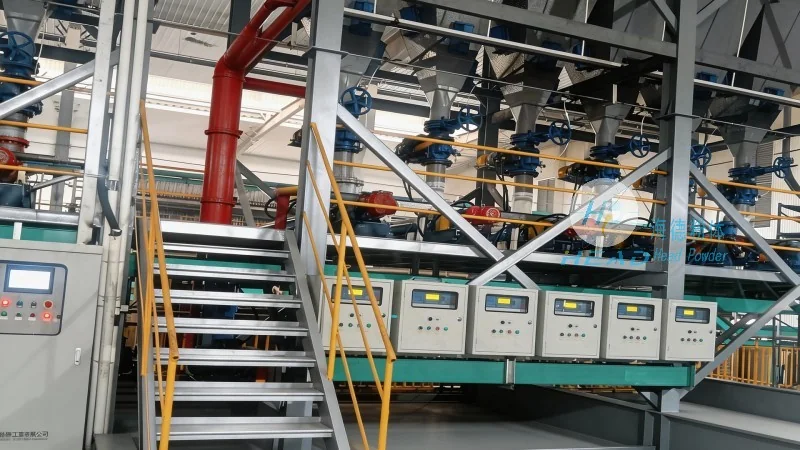
Conclusion and Company Overview
Pneumatic conveying is a highly effective method for transporting calcined ash materials, offering advantages in efficiency, safety, and flexibility. The working principle, which relies on air flow to move material particles through a pipeline, combined with key characteristics such as enclosed transport and precise control, makes it a preferred choice for many industrial applications. As a leading provider in the field, Shandong HeadPowder Engineering Co., Ltd. specializes in designing and manufacturing pneumatic conveying systems tailored to the unique needs of calcined ash material handling. With a focus on innovation and customer satisfaction, the company ensures that its systems meet the highest standards of performance and reliability. Based in Shandong, China, HeadPowder Engineering leverages its expertise to deliver solutions that enhance operational efficiency and environmental compliance for industries dealing with calcined ash materials.