

Working Principle and Characteristics of Micro-Silica Powder Material Pneumatic Conveying
Micro-silica powder, a fine particulate material widely used in various industrial applications, often requires efficient and reliable transportation methods. Pneumatic conveying, a technology that utilizes air or other gases to transport solid materials, has become a preferred solution for micro-silica powder handling. This article explores the working principle and key characteristics of micro-silica powder pneumatic conveying, providing insights into how this technology operates and its advantages in material handling. Shandong HeadPowder Engineering Co., Ltd., a leading provider of material handling solutions, specializes in the design and implementation of pneumatic conveying systems for various industrial applications.
Working Principle of Micro-Silica Powder Pneumatic Conveying
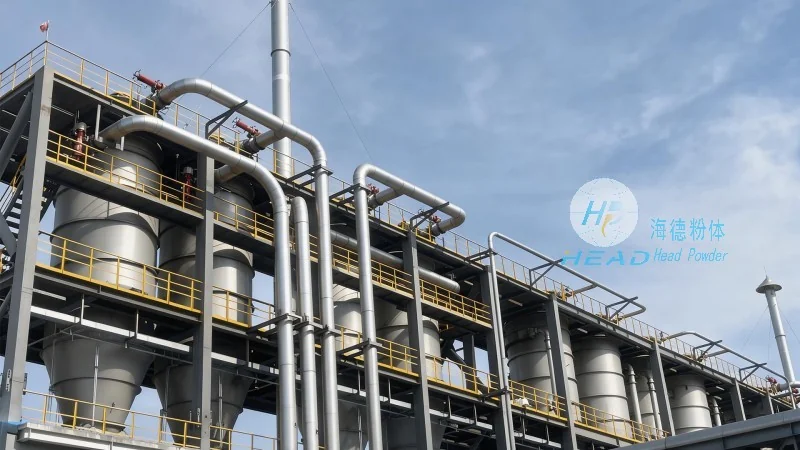
The core of micro-silica powder pneumatic conveying lies in the interaction between the powder particles and the conveying medium, typically air. The process begins with the feeding of micro-silica powder into a conveying line, where it is introduced into a stream of high-velocity air. The air flow, generated by a blower or compressor, creates a pressure differential that lifts and transports the powder particles through the pipeline. The velocity of the air must be sufficient to overcome the gravitational force acting on the powder and to maintain the particles in a suspended state, preventing settling or blockage. The conveying system typically includes components such as a feeder, a conveying line, a separator, and a receiver. The feeder ensures a consistent flow of powder into the system, while the conveying line transports the powder-air mixture. The separator, often a cyclone or a bag filter, separates the powder from the air, allowing the air to be recirculated or vented, and the powder to be collected in the receiver. The receiver stores the conveyed micro-silica powder, ready for subsequent processing or use.
Key Characteristics of Micro-Silica Powder Pneumatic Conveying
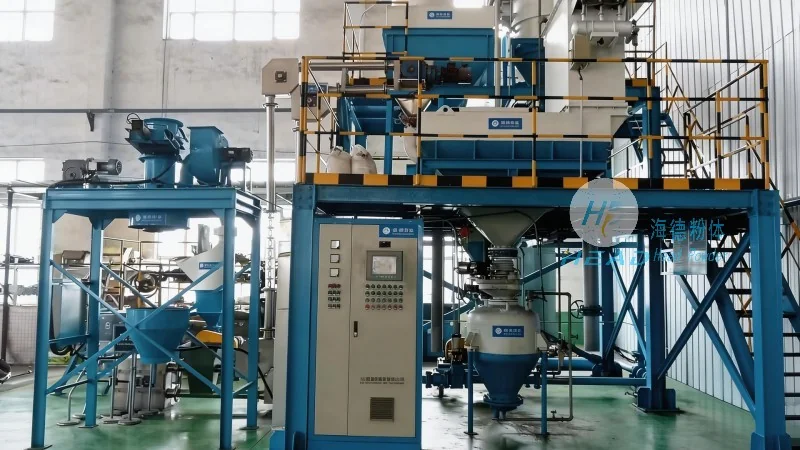
Micro-silica powder pneumatic conveying exhibits several notable characteristics that make it an attractive option for industrial applications. Firstly, it offers high efficiency in material transport, with the ability to move large volumes of powder over significant distances with minimal energy consumption compared to traditional mechanical conveying methods. The technology is particularly effective for fine powders like micro-silica, which are prone to caking or agglomeration, as the air flow helps maintain particle separation and prevents blockages. Secondly, pneumatic conveying is a clean and hygienic method, as it eliminates the need for mechanical components that could introduce contaminants or cause wear and tear. The enclosed system prevents dust from escaping into the environment, reducing health hazards and maintaining compliance with environmental regulations. Thirdly, the system is flexible and adaptable, allowing for changes in conveying distance, volume, or powder characteristics without major modifications. This adaptability makes it suitable for a wide range of industrial settings, from small-scale laboratory applications to large-scale production lines. Additionally, the technology is relatively low-maintenance, with fewer moving parts compared to mechanical conveyors, reducing downtime and operational costs. The use of air as the conveying medium also allows for easy integration with other processing equipment, such as mixing or drying units, enhancing overall process efficiency.
Application Considerations for Micro-Silica Powder Pneumatic Conveying
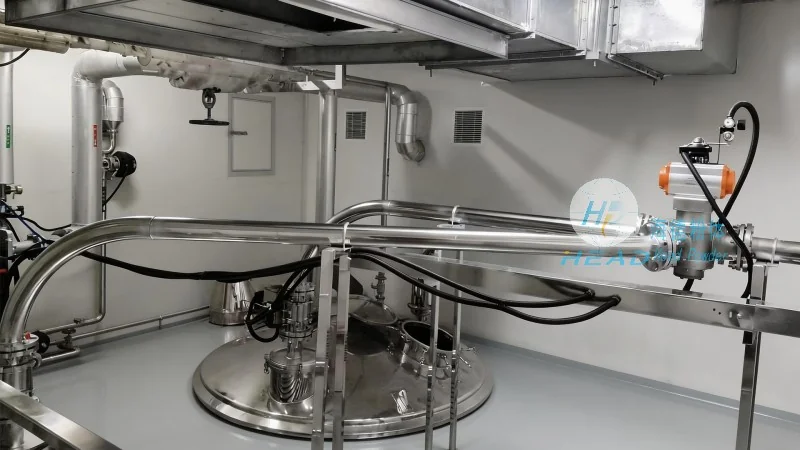
When implementing micro-silica powder pneumatic conveying systems, several factors must be considered to ensure optimal performance and reliability. The first consideration is the particle size and density of the micro-silica powder, as these properties directly impact the required air velocity and pressure. Fine particles with low density may require higher air velocities to maintain suspension, while larger or denser particles may need lower velocities to avoid excessive energy consumption. The system design must account for these characteristics to prevent particle settling or excessive wear on components. Secondly, the conveying distance and elevation changes are critical factors. Longer distances or higher elevations increase the energy requirements and may necessitate additional blower capacity or higher air pressure. The system must be sized appropriately to handle the specific conveying parameters, ensuring that the air flow remains consistent and the powder is transported efficiently. Thirdly, the system's material compatibility is important, as the conveying components must be resistant to the chemical properties of the micro-silica powder. Materials such as stainless steel or specialized coatings are often used to prevent corrosion or degradation, especially if the powder contains acidic or alkaline components. Finally, the environmental and safety aspects must be addressed. The system should include proper dust collection and filtration to comply with air quality standards and protect personnel from inhalation hazards. Regular maintenance and monitoring of the air flow and pressure are essential to prevent system failures and ensure continuous operation.
Conclusion
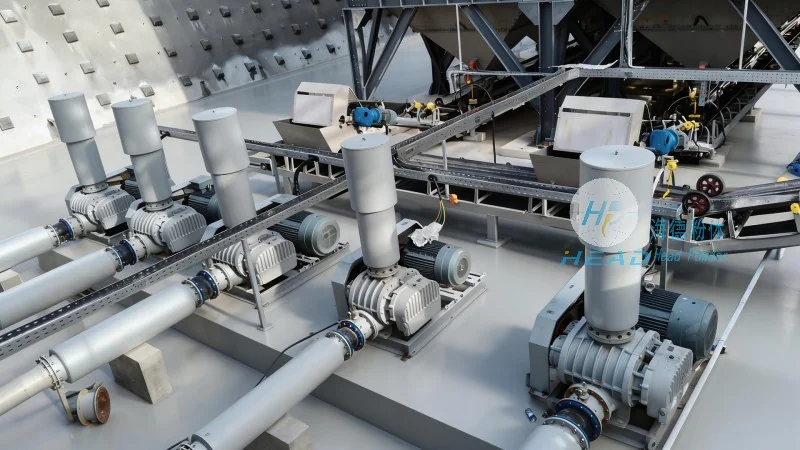
Micro-silica powder pneumatic conveying is a sophisticated and effective technology for transporting fine particulate materials. By leveraging the principles of fluid dynamics and particle mechanics, this method provides efficient, clean, and flexible material handling solutions. The working principle, which involves the suspension of powder particles in a high-velocity air stream, enables reliable transport over various distances and elevations. The key characteristics, including high efficiency, hygienic operation, and adaptability, make it suitable for diverse industrial applications. However, successful implementation requires careful consideration of particle properties, conveying parameters, material compatibility, and environmental safety. As a result, micro-silica powder pneumatic conveying remains a preferred choice for industries that demand precise and reliable handling of fine powders, ensuring consistent quality and operational efficiency.