

Classification and Application Analysis of Carbide Slag Pneumatic Conveying Systems
Carbide slag, a byproduct of the calcium carbide production process, presents unique handling challenges due to its high moisture content, abrasive nature, and potential for dust generation. Pneumatic conveying systems offer an efficient and reliable solution for transporting this material, and understanding the classification of these systems is crucial for selecting the most appropriate technology for specific industrial applications. This article provides a comprehensive analysis of the different types of carbide slag pneumatic conveying systems and their practical applications in various industrial settings.
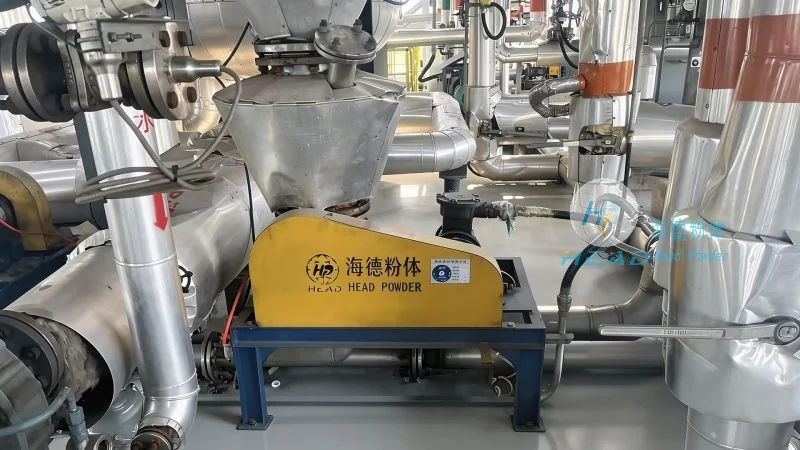
Classification of Pneumatic Conveying Systems for Carbide Slag
Pneumatic conveying systems for carbide slag can be broadly categorized into two main types: positive pressure and negative pressure systems. Each type has distinct characteristics and is suitable for different operational requirements.
Positive Pressure Systems: These systems operate by blowing air or gas into the conveying line, creating a pressure higher than the ambient air pressure. The material is carried forward by the moving air stream. Positive pressure systems are often preferred for long-distance transport and for handling materials that are prone to settling or clogging. They are particularly effective for transporting carbide slag from a central processing facility to multiple points of use, such as in cement production or as a raw material for other industrial processes.
Negative Pressure Systems: In contrast, negative pressure systems draw material into the conveying line using a vacuum created by a fan or blower. The material is then transported by the suction force. Negative pressure systems are commonly used for short-distance transport and for applications where dust control is a priority. They are suitable for handling carbide slag in environments where minimizing dust emissions is critical, such as in indoor processing facilities or for transporting material to a storage silo.
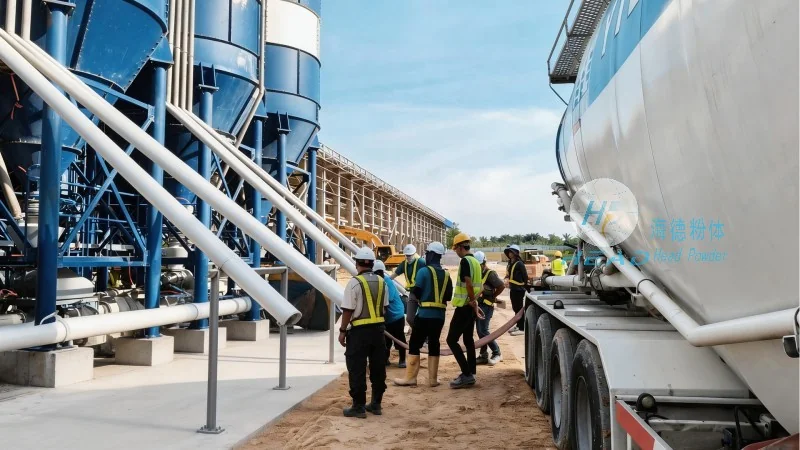
Within these main categories, further classification can be made based on the conveying velocity and the type of air flow. For instance, high-velocity systems use air velocities above 20 m/s to ensure efficient material transport, while low-velocity systems operate at lower velocities, typically around 10-15 m/s. The choice between high and low velocity depends on the material's properties, the required transport distance, and the available power. Additionally, systems can be classified as dilute phase or dense phase, depending on the concentration of material in the air stream. Dilute phase systems are used for short to medium distances and handle fine powders, while dense phase systems are more suitable for longer distances and bulk materials, as they maintain a higher material concentration in the conveying line.
Key Applications of Carbide Slag Pneumatic Conveying Systems
The versatility of carbide slag makes it a valuable resource in various industries. Pneumatic conveying systems are widely used to transport this material for several key applications:
Cement Production: Carbide slag is a common additive in cement manufacturing, replacing a portion of the clinker. The pneumatic conveying system allows for the efficient and dust-free transport of carbide slag from storage silos to the cement production line. This not only improves the quality of the cement but also reduces the environmental impact by minimizing dust emissions during handling.
Raw Material for Chemical Processing: In chemical industries, carbide slag is used as a raw material for producing calcium carbide or other chemical products. Pneumatic conveying systems facilitate the transport of the slag from the production site to processing units, ensuring a continuous and reliable supply of raw material. This is particularly important in large-scale chemical plants where consistent material flow is essential for maintaining production efficiency.
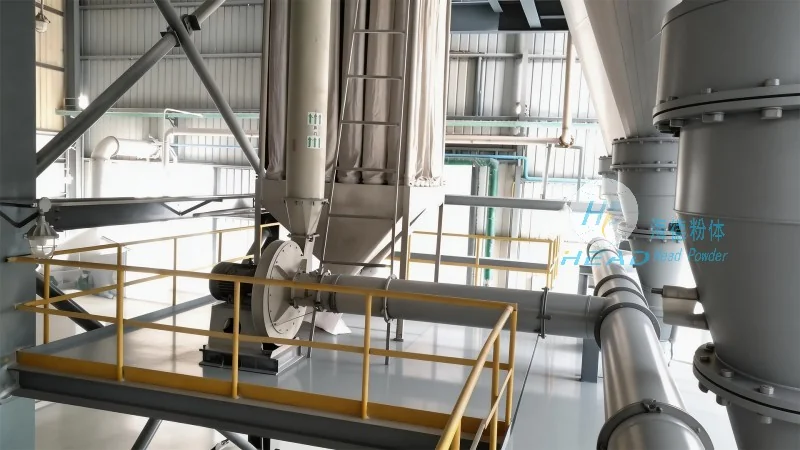
Waste Management and Recycling: Carbide slag can be processed and recycled as a construction material or as a component in other industrial products. Pneumatic conveying systems are used to transport the processed slag to recycling facilities or to the final product manufacturing sites. This helps in reducing waste and promoting sustainable practices in industrial operations.
Industrial Dust Control: In some applications, carbide slag is used as a filler or as a component in the production of abrasive materials. Pneumatic conveying systems are employed to transport the material to the production line, ensuring that the process is carried out in a controlled environment with minimal dust exposure. This is crucial for maintaining workplace safety and compliance with environmental regulations.
Factors to Consider When Selecting a Pneumatic Conveying System for Carbide Slag
Choosing the right pneumatic conveying system for carbide slag involves evaluating several key factors to ensure optimal performance and cost-effectiveness.