

Classification and Application Analysis of Dry Powder Pneumatic Conveying Systems
Dry powder pneumatic conveying systems are essential in various industrial sectors for the efficient and safe transportation of powders and granular materials. These systems utilize air or gas as the conveying medium to move materials from one location to another, offering advantages such as reduced contamination, improved process control, and enhanced safety compared to traditional methods like bucket elevators or belt conveyors. The classification of these systems is crucial for understanding their operational principles and selecting the most suitable option for specific applications.
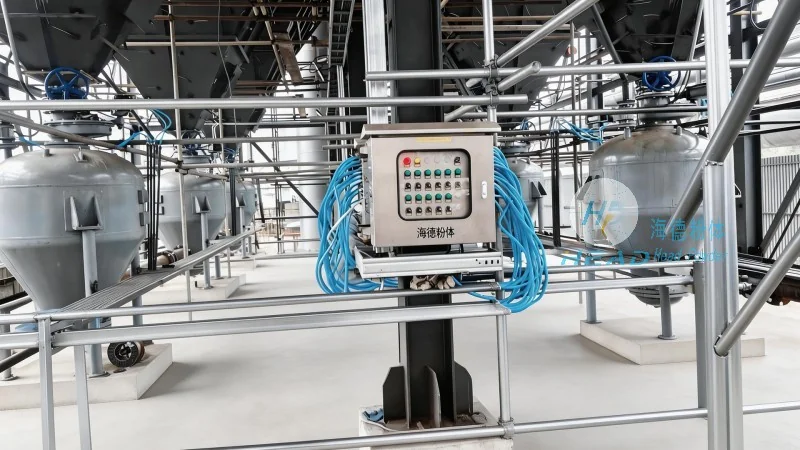
Classification of Dry Powder Pneumatic Conveying Systems
There are primarily two main categories of dry powder pneumatic conveying systems: positive pressure systems and negative pressure (or vacuum) systems. Each type has distinct characteristics and is best suited for different operational requirements.
Positive pressure systems operate by blowing air or gas into the conveying line, creating a pressure higher than the ambient air pressure. This method is often preferred for long-distance or high-capacity applications where the material needs to be transported over significant distances or through complex piping networks. The positive pressure system ensures that the material is continuously pushed through the pipeline, minimizing the risk of blockages and ensuring consistent flow rates. Typical applications include the transport of bulk materials in food processing, pharmaceuticals, and chemical industries where product purity and contamination control are critical.
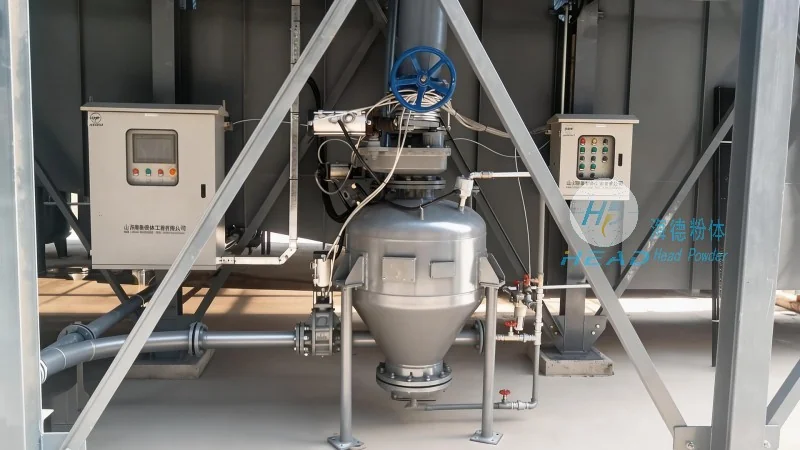
Negative pressure systems, on the other hand, operate by creating a vacuum in the conveying line, drawing the material into the system using the pressure differential between the inlet and the outlet. This approach is commonly used for short-distance or low-capacity applications where the material is to be collected from a source and transported to a destination. The negative pressure system is particularly effective for handling materials that are prone to dust generation or where the environment needs to be kept clean. Industries such as mining, agriculture, and construction often utilize negative pressure systems for their ability to handle large volumes of material while maintaining a controlled dust environment.
Within these main categories, there are further subtypes based on the conveying velocity and the type of air flow. For instance, dense phase conveying systems operate at lower velocities, using a higher volume of air to create a dense, slurry-like flow of material. This method is ideal for transporting sensitive materials that require minimal shear and agitation, such as pharmaceutical powders or food additives. Dilute phase systems, conversely, operate at higher velocities, using a lower volume of air to create a more dilute flow of material. These systems are suitable for shorter distances and are commonly used in industries like cement, coal, and minerals where the material is less sensitive to handling conditions.
Application Analysis of Dry Powder Pneumatic Conveying Systems
The application of dry powder pneumatic conveying systems varies widely across different industries, each with specific requirements that dictate the choice of system type and design. In the food and beverage industry, for example, the primary concern is maintaining product purity and preventing contamination. Positive pressure systems are often preferred here due to their ability to handle hygienic materials and minimize the risk of cross-contamination. The systems are typically designed with stainless steel components and sealed connections to ensure that the material remains clean and free from external contaminants throughout the conveying process.
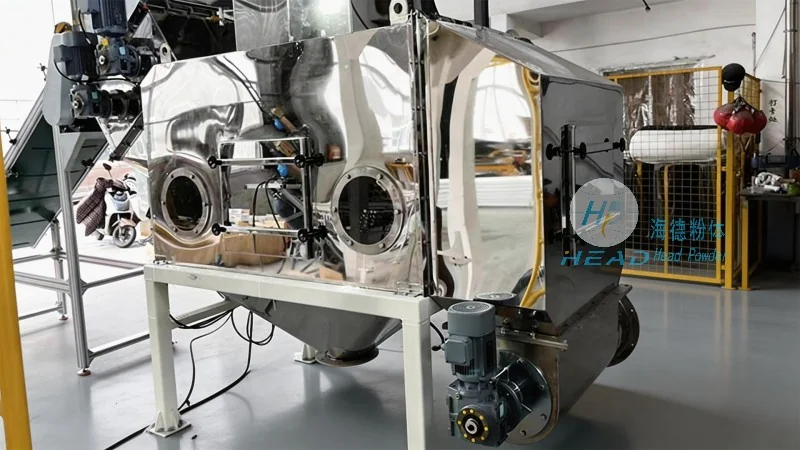
In the pharmaceutical industry, the need for sterile and controlled environments is paramount. Dry powder pneumatic conveying systems are used to transport active pharmaceutical ingredients (APIs) and other sensitive materials from storage to processing equipment. The negative pressure systems are often employed in this sector to maintain a sterile environment and prevent the introduction of airborne particles. The systems are equipped with HEPA filters and other filtration devices to ensure that the material is handled under cleanroom conditions, meeting stringent regulatory standards.
The chemical industry also relies heavily on dry powder pneumatic conveying systems for the transport of various powders and granules. Both positive and negative pressure systems are used depending on the specific chemical properties of the material. For example, corrosive chemicals may require positive pressure systems with specialized materials of construction to prevent system corrosion. The systems are designed to handle a wide range of temperatures and pressures, ensuring safe and efficient operation in chemical processing plants.