

Choosing Between Positive Pressure and Negative Pressure for Desulfurization Gypsum Transport: How t
Desulfurization gypsum, a byproduct of flue gas desulfurization in power plants and other industrial facilities, is widely used in construction materials, agriculture, and other sectors. The efficient transport of this material is crucial for industrial operations, and the choice between positive pressure and negative pressure systems significantly impacts system performance, cost, and operational safety. This article explores the key differences between positive pressure and negative pressure transport methods for desulfurization gypsum, providing insights to help industrial operators make informed decisions.
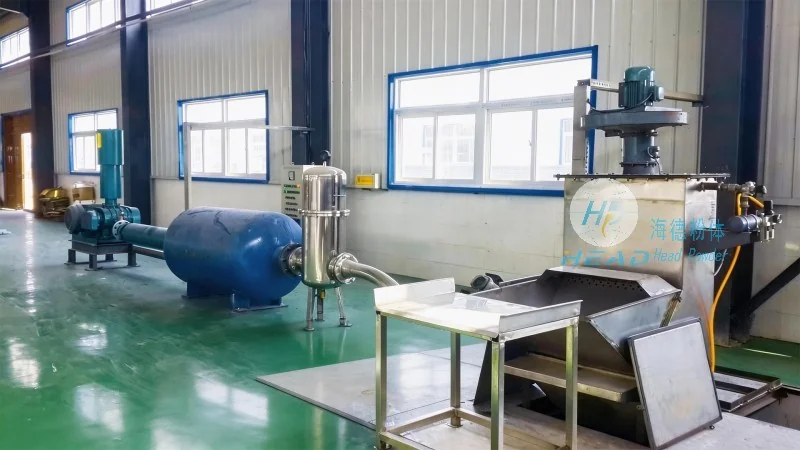
Positive Pressure Transport for Desulfurization Gypsum
Positive pressure transport systems operate by forcing material through a pipeline using a positive pressure differential. In this method, a blower or compressor creates a higher pressure inside the pipeline than the ambient air pressure, pushing the gypsum material forward. This approach is often used for shorter distances or when the material is relatively dry and free-flowing. The primary advantages of positive pressure transport include high material flow rates, consistent pressure control, and the ability to handle materials with higher moisture content or more cohesive properties. However, it may require more energy input and can be less efficient for long-distance transport due to the need to maintain consistent pressure throughout the system.
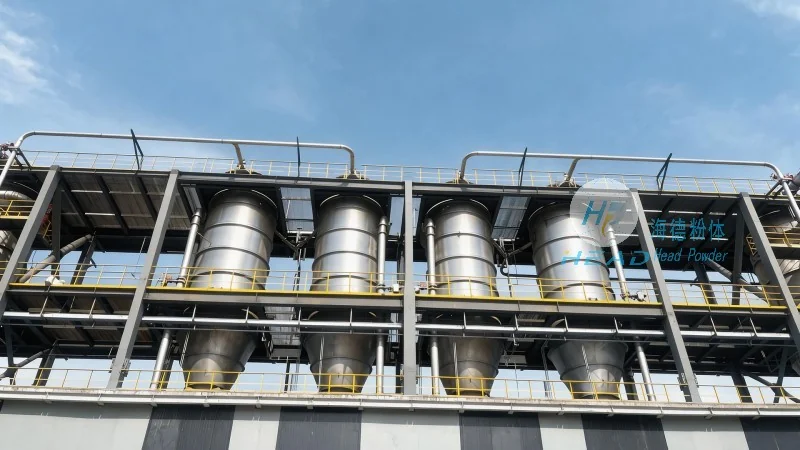
Negative Pressure Transport for Desulfurization Gypsum
Negative pressure transport, also known as suction transport, works by creating a lower pressure inside the pipeline compared to the ambient air pressure. A vacuum pump or fan draws the gypsum material into the pipeline, moving it from the source to the destination. This method is typically more energy-efficient for long-distance transport and is suitable for materials that are less cohesive or have lower moisture content. Negative pressure systems are often preferred for applications where the material is to be transported over longer distances or where the system needs to be more energy-efficient. However, they may be less effective for handling highly cohesive or wet materials, as the suction force may not be sufficient to maintain material flow.
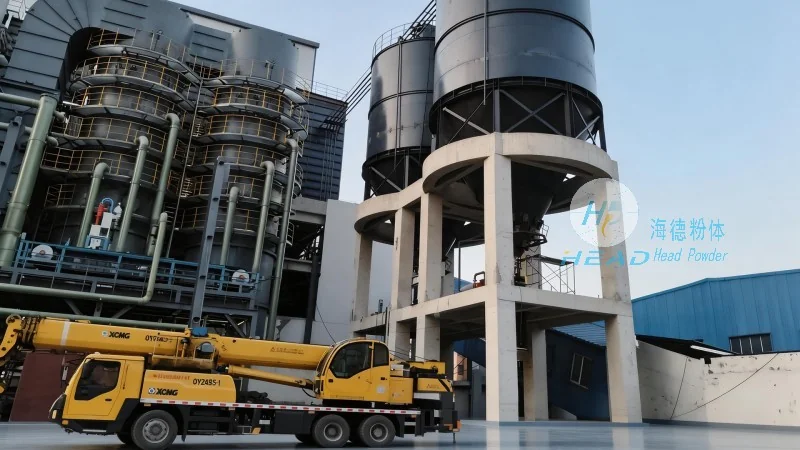
Distinguishing Between Positive and Negative Pressure Transport
When deciding between positive and negative pressure transport for desulfurization gypsum, several key factors should be considered. The first is the distance of the transport route. Positive pressure systems are generally more suitable for shorter distances, typically up to a few kilometers, where maintaining pressure is feasible. For longer distances, negative pressure systems often provide better energy efficiency and cost-effectiveness. The second factor is the material properties. If the gypsum is dry and free-flowing, both systems can be effective, but positive pressure may offer better control over flow rates. Conversely, if the material is wet or has higher cohesion, negative pressure may require additional equipment, such as agitators or preconditioning, to ensure proper flow. The third factor is the available energy and infrastructure. Positive pressure systems may require more robust power sources and higher maintenance for the blower, while negative pressure systems rely on vacuum pumps, which can be more energy-efficient but may need more frequent maintenance. Additionally, the initial investment and operational costs should be evaluated. Positive pressure systems may have higher upfront costs due to the need for high-pressure blowers, but they can offer lower long-term energy costs for shorter distances. Negative pressure systems may have lower initial costs but higher operational costs due to the energy consumption of vacuum pumps. Industrial operators should also consider the environmental impact and noise levels of each system. Positive pressure systems can generate more noise due to the operation of high-pressure blowers, while negative pressure systems may produce less noise but require careful management of vacuum levels to prevent air leakage and material loss.
Shandong HeadPowder Engineering Co., Ltd., a leading provider of industrial material transport solutions, specializes in designing and manufacturing systems tailored to the specific needs of desulfurization gypsum transport. The company’s expertise lies in understanding the unique challenges of handling gypsum, including its moisture content, cohesion, and varying particle sizes. By leveraging advanced engineering and material science, HeadPowder offers customized transport solutions that optimize performance, reduce energy consumption, and enhance operational safety. Whether a positive or negative pressure system is chosen, HeadPowder’s products are designed to meet the highest standards of efficiency and reliability, ensuring that industrial facilities can achieve seamless and cost-effective transport of desulfurization gypsum.
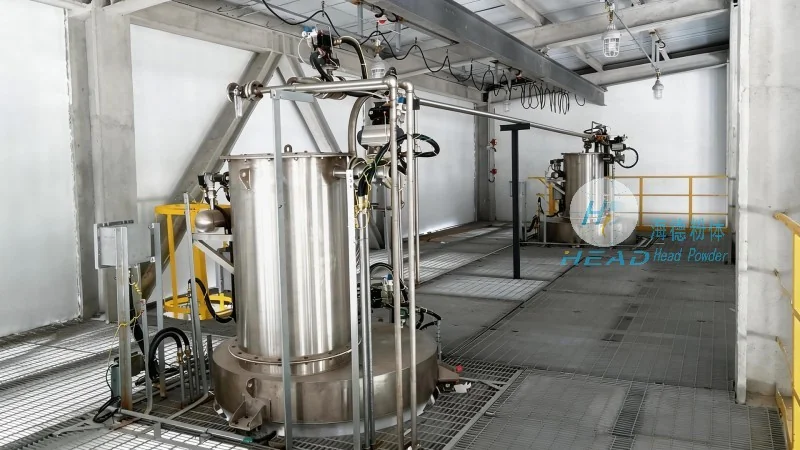
Conclusion
Choosing between positive and negative pressure transport for desulfurization gypsum requires a thorough evaluation of operational requirements, material properties, and cost considerations. Positive pressure systems excel in shorter-distance applications with high material flow rates and consistent pressure control, while negative pressure systems are more suitable for long-distance transport and energy-efficient operations. By understanding the key differences in system design, energy consumption, and material handling capabilities, industrial operators can select the most appropriate transport method to optimize their processes. Ultimately, the goal is to achieve efficient, reliable, and cost-effective transport of desulfurization gypsum, which is critical for the sustainability and profitability of industrial operations. With the right choice of transport system, facilities can minimize downtime, reduce maintenance costs, and enhance overall productivity.