

Ferrous Oxide Transport: Positive Pressure vs. Negative Pressure - How to Differentiate?
Ferrous oxide, a vital component in numerous industrial processes, demands reliable and secure transport solutions. The selection between positive pressure and negative pressure systems is a critical decision for businesses managing this material. This article delves into the differences between these two transport methodologies and offers insights on how to differentiate and choose the appropriate approach for ferrous oxide handling.
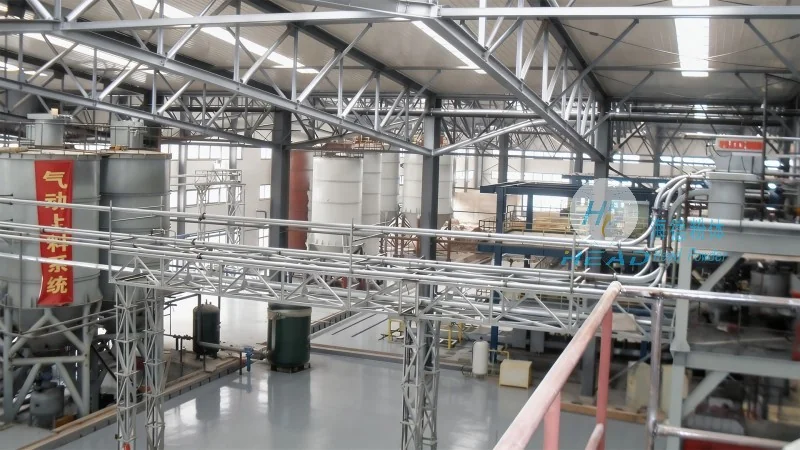
Positive Pressure Transport: Principles and Practical Applications
Positive pressure transport operates by supplying air or gas under pressure to the system, which propels the material through the transport line. This method is particularly advantageous when the ferrous oxide is sensitive to vacuum conditions or when the system needs to maintain a positive pressure to prevent contamination or backflow. For instance, in applications where the material may degrade or react under vacuum, positive pressure systems can preserve its quality during transit. Additionally, positive pressure helps maintain the integrity of the transport line, reducing the risk of dust ingress or material degradation caused by external air.
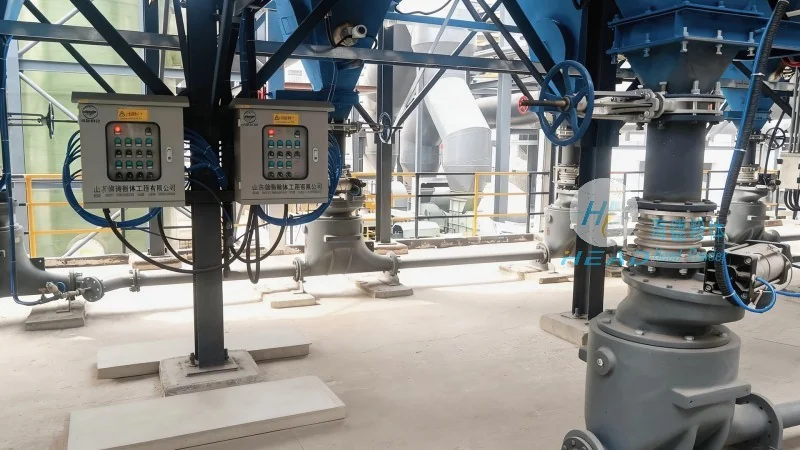
Negative Pressure Transport: Mechanism and Suitability
Negative pressure transport, conversely, relies on creating a vacuum within the transport line to draw the material through. This approach is often employed when the ferrous oxide is less reactive to pressure changes and when the system can effectively manage the vacuum without compromising safety. Negative pressure systems are generally more energy-efficient in certain scenarios, as they do not require continuous operation of a compressor to maintain pressure. They are suitable for shorter transport distances or simpler piping networks where the material's properties do not necessitate a positive pressure environment.
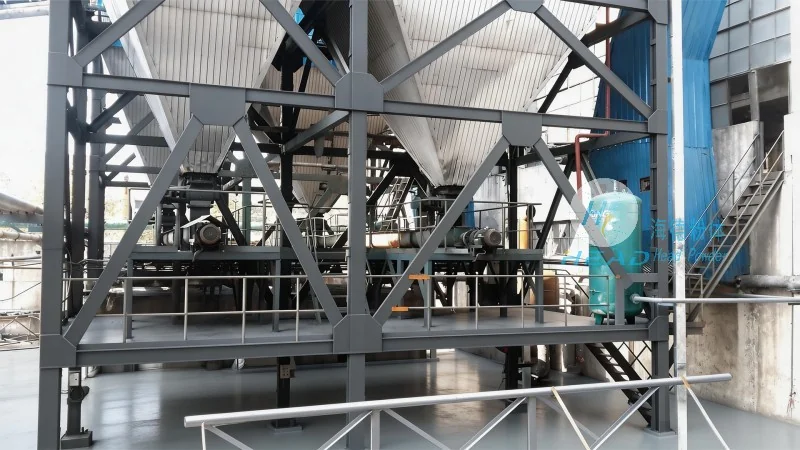
Distinguishing Factors for Selecting the Right Transport Method
When determining whether to use positive or negative pressure for ferrous oxide transport, several key factors must be evaluated. First, the material's physical and chemical characteristics are paramount. Ferrous oxide's tendency to form dust or its reactivity under certain conditions can influence the choice. Positive pressure systems can create a controlled environment, minimizing exposure to contaminants and ensuring the material remains in its desired state. Second, the distance and complexity of the transport system play a significant role. Longer distances or more intricate piping layouts may benefit from positive pressure due to its ability to maintain consistent flow and pressure. Third, safety considerations are non-negotiable. Positive pressure systems prevent the ingress of external air, which is critical for hazardous materials like ferrous oxide, reducing the risk of exposure or contamination. Negative pressure systems, while simpler, may require additional safety measures to avoid vacuum-related hazards, such as equipment failure or material suction issues.
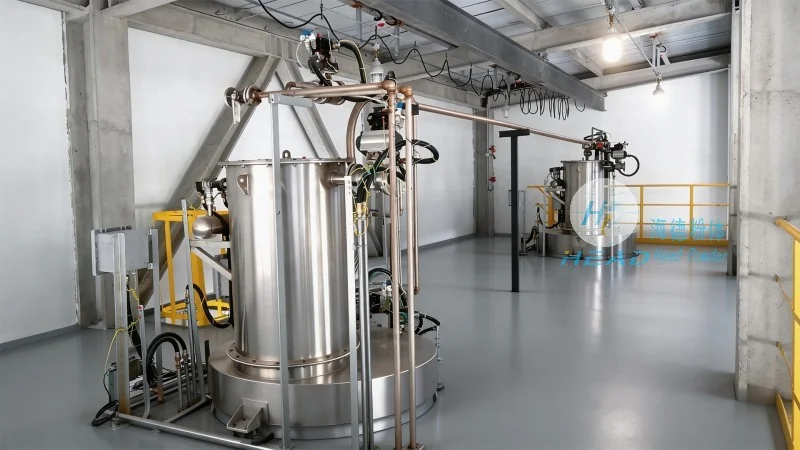
HeadPowder Engineering: Tailored Solutions for Ferrous Oxide Transport
Shandong HeadPowder Engineering Co., Ltd., a reputable engineering firm, specializes in designing and implementing transport systems specifically for ferrous oxide applications. With extensive industry experience, HeadPowder's team of experts understands the unique challenges associated with both positive and negative pressure systems. The company evaluates operational requirements, material properties, and safety standards to recommend the most suitable transport method. By leveraging advanced engineering techniques and adhering to industry best practices, HeadPowder ensures that ferrous oxide is transported efficiently, safely, and in compliance with regulatory standards. Their customized solutions address the specific needs of each client, whether it involves positive pressure for sensitive materials or negative pressure for cost-effective, shorter-distance transport. HeadPowder's commitment to quality and innovation makes it a trusted partner for businesses seeking reliable ferrous oxide transport solutions.