

Coal and Stone Powder Conveying: Choosing Positive Pressure or Negative Pressure? How to Distinguish
When it comes to transporting coal and stone powder, selecting the appropriate conveying method is crucial for ensuring efficiency, safety, and cost-effectiveness. Two primary options exist: positive pressure conveying and negative pressure conveying. Understanding the differences between these systems is essential for making an informed decision. This article provides a detailed comparison of positive and negative pressure conveying systems, helping you distinguish the right approach for your specific application.
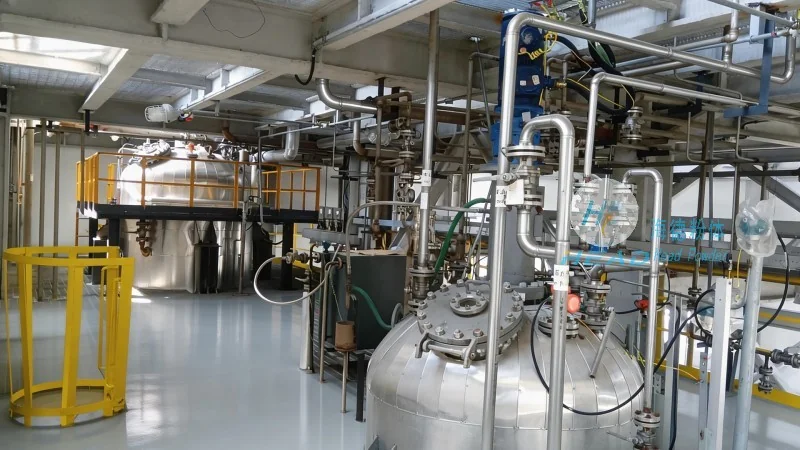
Understanding Conveying Systems for Coal and Stone Powder
Conveying coal and stone powder involves moving bulk materials from one location to another, often over long distances or through complex layouts. The choice of conveying system depends on factors such as material properties, required throughput, environmental considerations, and operational constraints. Positive pressure and negative pressure systems are two distinct approaches, each with its own advantages and limitations.
Positive Pressure Conveying Systems
Positive pressure conveying systems operate by blowing air or gas into the conveying line, creating a pressure higher than the ambient air pressure. This method forces the material to move through the pipeline. The system typically includes a blower or fan that generates the necessary pressure, and the material is carried by the air stream. Positive pressure systems are commonly used for short to medium distances and for materials that are not highly abrasive or explosive. They are also suitable for applications where dust control is a priority, as the system can be enclosed to prevent dust emissions.
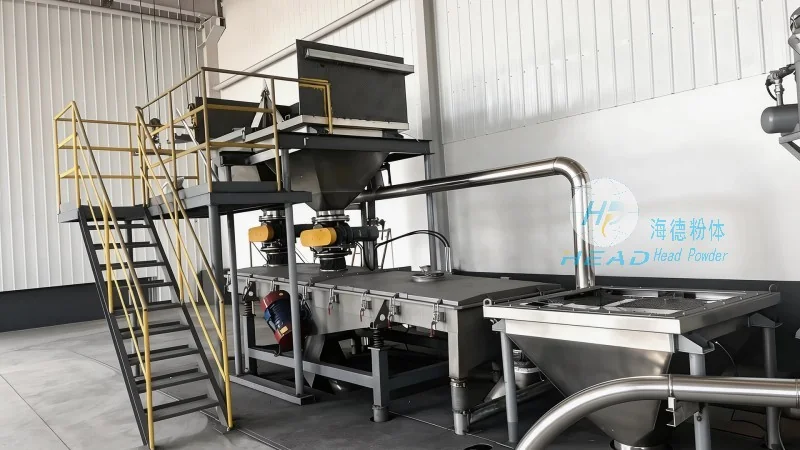
Negative Pressure Conveying Systems
Negative pressure conveying systems, also known as suction systems, work by creating a vacuum or lower pressure inside the conveying line compared to the ambient air. The material is drawn into the line by the pressure differential, and the air carrying the material is then filtered and cleaned before being released. This method is often used for longer distances and for materials that are more sensitive to pressure or for applications where dust collection is required. Negative pressure systems are generally more energy-efficient for long-distance transport but may require more robust filtration systems to handle fine powders.
Distinguishing Between Positive and Negative Pressure Conveying
Several key factors help in distinguishing between positive and negative pressure conveying systems. First, consider the distance and layout of the conveying line. Positive pressure systems are better suited for shorter distances due to the higher energy consumption required to maintain pressure over longer runs. Negative pressure systems are more efficient for longer distances as they rely on suction rather than pressure. Second, evaluate the material properties. Positive pressure systems are ideal for non-explosive, non-corrosive materials that can be handled under higher pressure. Negative pressure systems are preferable for fine powders or materials that are prone to dust generation, as they can effectively capture and filter the dust. Third, assess the environmental and safety requirements. Positive pressure systems can be enclosed to prevent dust from escaping, while negative pressure systems require efficient filtration to avoid air pollution. Finally, consider the energy consumption and operational costs. Positive pressure systems may have higher energy costs due to the need for blowers, whereas negative pressure systems can be more energy-efficient for long-distance transport.
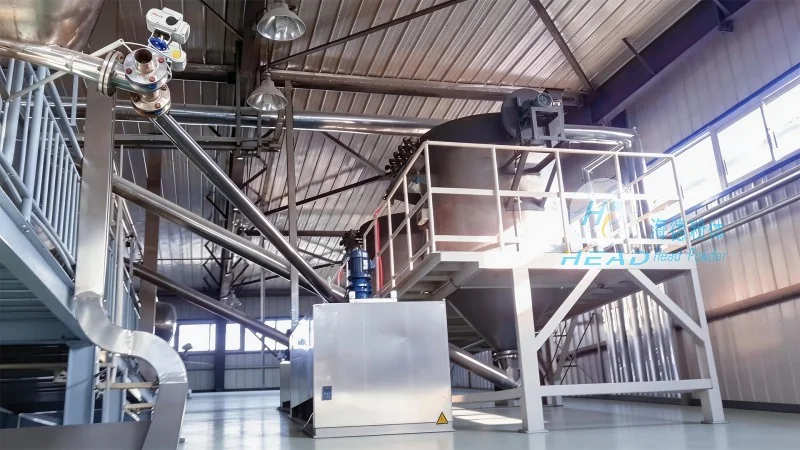
Choosing the Right Conveying System for Your Needs
After evaluating the factors mentioned above, you can determine which conveying system is best for your coal and stone powder application. Positive pressure systems offer advantages in terms of material handling for shorter distances and better dust control when enclosed. Negative pressure systems excel in long-distance transport and are effective for fine powders with dust management requirements. The choice ultimately depends on the specific operational conditions and the priorities of your project.
About Shandong HeadPowder Engineering Co., Ltd.
Shandong HeadPowder Engineering Co., Ltd., based in Shandong, China, specializes in providing advanced conveying solutions for coal and stone powder applications. With years of experience in the industry, the company offers customized solutions tailored to the unique needs of each client. Their expertise in both positive and negative pressure conveying systems ensures that clients receive the most suitable equipment for their operations. By choosing HeadPowder, you can benefit from reliable and efficient conveying systems that enhance productivity and safety in your material handling processes.